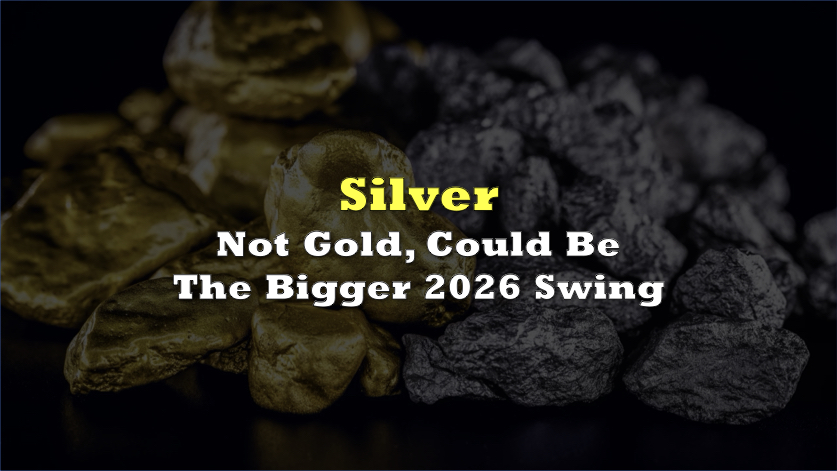

Bank of America expects gold to be the primary hedge and performance driver in 2026, projecting an average gold price of $4,538 per ounce in real terms, while arguing silver could top out between $135 and $309 if the gold to silver ratio compresses toward prior cycle lows.
In a Monday report, Michael Widmer, Head of Metals Research at Bank of America, said gold “continues to stand out as a hedge and alpha source,” with the bank pointing to tightening market conditions and high earnings sensitivity as the setup for gold to function as both protection and return engine in 2026.
The bank’s 2026 view leans on lower supply and higher costs. Widmer expects the 13 major North American gold miners to produce 19.2 million ounces this year, which would be a 2% decline from 2025, and he said most market output forecasts are too optimistic.
On costs, Widmer projects average all-in sustaining costs rising 3% to roughly $1,600 per ounce, which he described as slightly above market consensus, setting up margin sensitivity to any additional gold price strength.
Even with higher costs and lower production, Bank of America models a large profitability jump: total producer EBITDA is projected to rise 41% to about $65 billion in 2026.
Widmer positions silver as the higher-risk, higher-upside expression of the precious metals view. With the gold:silver ratio around 59, he said silver could still outperform gold, using history to bracket potential peaks.
He cited a ratio low of 32 in 2011, which implies a silver price high of roughly $135, and the 1980 low of 14, which implies a silver price of about $309 per ounce.
Widmer said gold bull rallies typically peak only when the drivers that started the rally fade, not simply because prices rise, and he argued the market can be “overbought” while still “underinvested”.
Bank of America expects gold to push to $5,000 per ounce in 2026, and Widmer said it would take only a 14% increase in investment demand to reach that target. He added that investment demand has averaged roughly that level over the last couple of quarters, a phrasing that effectively treats recent demand momentum as close to the required increment.
For a more extreme scenario, Widmer said it would take a 55% increase in investment demand to drive gold prices to $8,000 per ounce “next year”.
Information for this briefing was found via the sources mentioned. The author has no securities or affiliations related to this organization. Not a recommendation to buy or sell. Always do additional research and consult a professional before purchasing a security. The author holds no licenses.