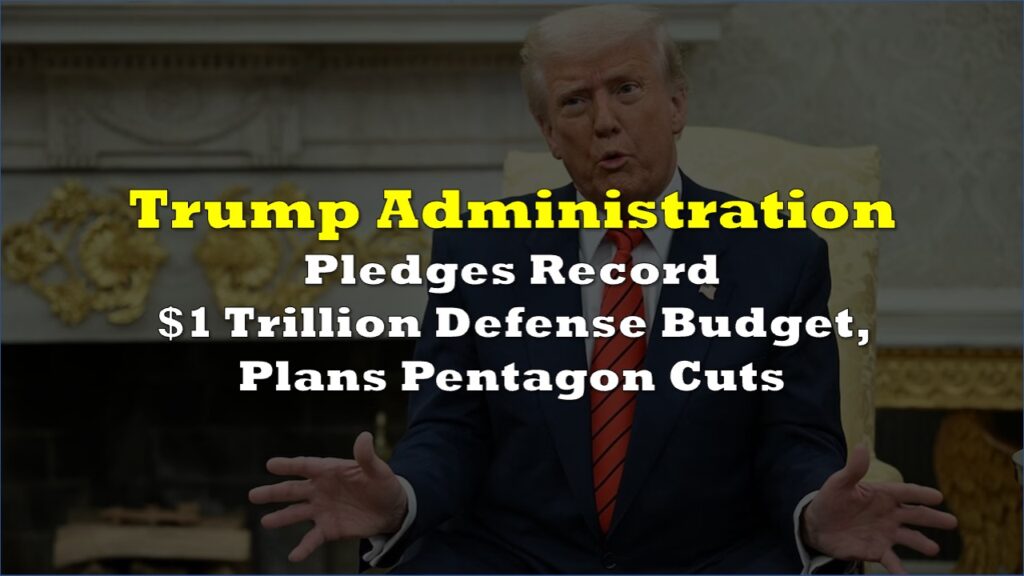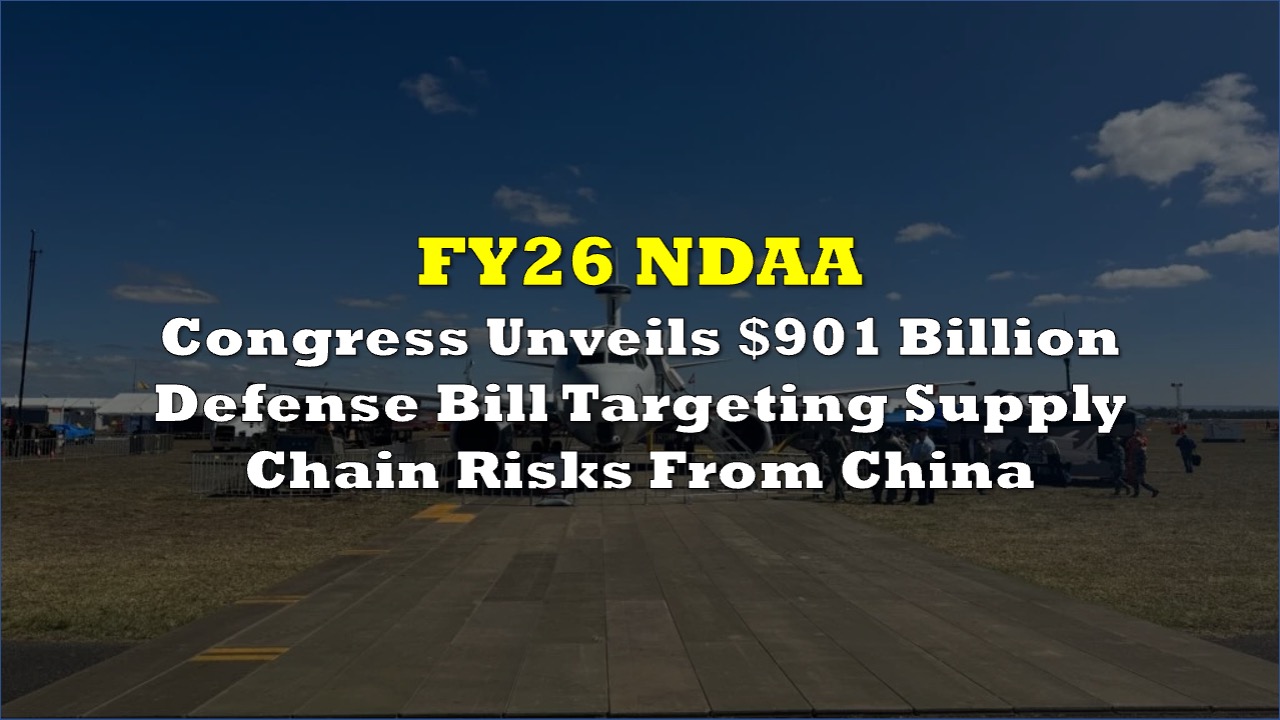

Congress released a defense policy bill Sunday that authorizes roughly $901 billion in national security spending for fiscal 2026, the largest such authorization in US history. The measure addresses growing concerns about US reliance on foreign adversaries for critical military technology, particularly electronic display systems sourced from China and other “covered nations.”
The legislation prohibits the Pentagon from procuring certain OLED display technologies from foreign adversaries after June 30, 2027, and requires the Department of Defense to develop a comprehensive plan by 2030 to replace those systems with domestic or allied alternatives. An interim progress report is due by March 15, 2027. Lawmakers say the measure seeks to safeguard hardware from potential disruption or interference that could arise if US military systems depend on suppliers in geopolitically hostile countries.
The NDAA also raises enlisted troop pay by 4%, authorizes $400 million in military aid to Ukraine, and continues funding for key programs, including missile defense, shipbuilding, and modernization of the nuclear triad. The bill sets policy and spending ceilings, but actual disbursements still require separate appropriations legislation.
Supporters argue that the supply-chain measures protect US defense readiness by removing critical dependencies on foreign suppliers who could be leveraged during a conflict. Critics caution that rapidly transitioning to domestic or allied production could strain the military’s procurement system, potentially delaying delivery of essential systems.
The bill also includes broader policy measures, such as strengthening cybersecurity requirements, mandating additional training for service members in emerging technologies, and maintaining US troop presence in key regions abroad. Some analysts see these provisions as part of a strategic push to reinforce US deterrence against China while sustaining support for allies in Europe and Asia.
By tradition, the NDAA is introduced in the House Armed Services Committee, though the Senate Armed Services Committee also considers its own version. After each chamber passes its version, a conference committee resolves any differences, and both the House and Senate vote on the final compromise before the bill goes to the President for signature.
Information for this story was found via the sources and companies mentioned. The author has no securities or affiliations related to the organizations discussed. Not a recommendation to buy or sell. Always do additional research and consult a professional before purchasing a security. The author holds no licenses.