
Venezuela sits atop an estimated 303 billion barrels of crude oil, according to OPEC data, making it the world’s largest holder of proven reserves. But energy analysts say only a fraction of that oil can be profitably extracted under current market conditions.
Rystad Energy, a Norwegian energy research firm, estimates Venezuela’s economically recoverable oil at approximately 29 billion barrels — roughly one-tenth of the official figure. The stark difference highlights a critical distinction between oil underground and oil that companies can extract at a profit.
A non-Venezuelan sourced estimate from Rystad. Takes into account economics of extracting the oil, which the “300 bn” number ignores. https://t.co/JBl9RmTDiB
— NextWave EFT (@NextWaveEFT) January 4, 2026
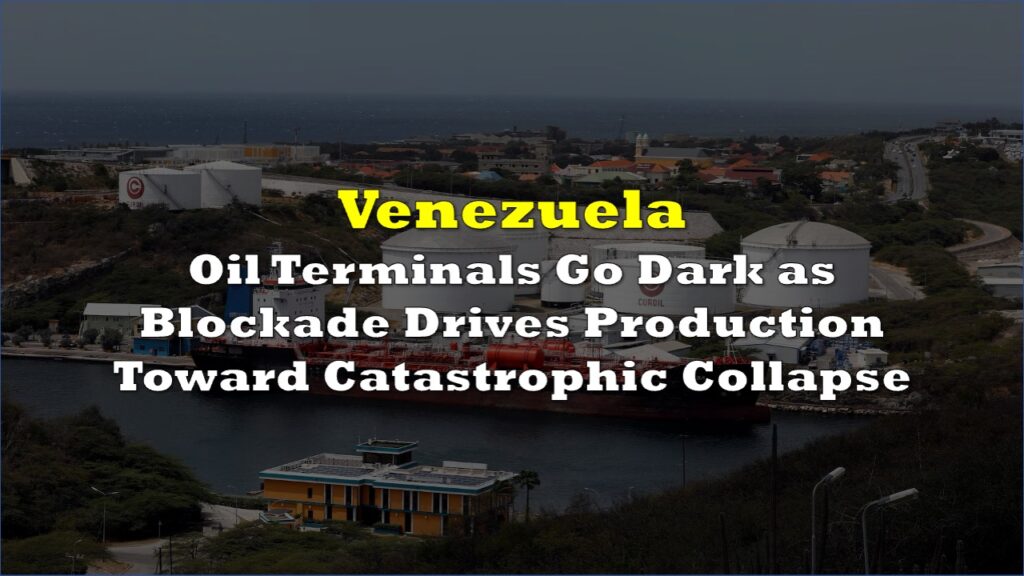
The discrepancy stems from the nature of Venezuela’s reserves. Most of the country’s oil consists of extra-heavy crude from the Orinoco Belt, a geological formation stretching across eastern Venezuela. This dense petroleum requires specialized refining equipment and trades at substantial discounts compared to lighter crude from Saudi Arabia or other major producers.
Venezuela’s proven reserves quadrupled between 2005 and 2014, jumping from 80 billion barrels to 300 billion. Industry experts attribute this reclassification to soaring oil prices during that period, which made previously uneconomical heavy crude viable to produce.
The country currently produces roughly 1 million barrels daily, down from more than 3 million barrels in the early 2000s. The US Energy Information Administration reports that decades of underinvestment, political instability, and international sanctions have severely damaged Venezuela’s oil infrastructure.
Columbia University’s Center on Global Energy Policy estimates that returning to 2.5 million barrels daily would require $80 billion to $90 billion over six to seven years. Reaching the 1990s peak of 3.5 million barrels daily would demand even greater investment and time.
Information for this story was found via the sources and companies mentioned. The author has no securities or affiliations related to the organizations discussed. Not a recommendation to buy or sell. Always do additional research and consult a professional before purchasing a security. The author holds no licenses.