Low water levels at the Panama Canal are causing significant delays, leading to record-high rates for Very Large Gas Carriers (VLGCs) and increasing the cost of shipping liquefied petroleum gas (LPG).
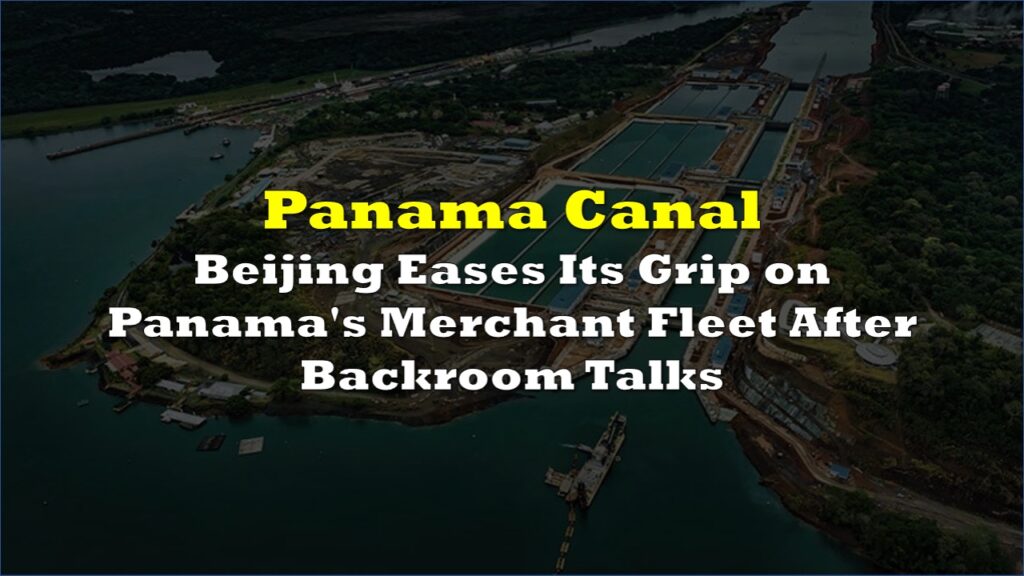
The Panama Canal, a crucial energy transit point, has been grappling with historically low water levels at its vital Gatún Lake since July and August, with water levels not seen this low since at least 1995, according to the Panama Canal Authority (APC).
To address this challenge, the APC has implemented water-saving measures in response to the extended dry season and reduced precipitation, with forecasts indicating that water levels at Gatún Lake will remain below the 10-year range through October and November. Gatún Lake serves as the passageway between the Atlantic and Pacific locks and is essential for operating the lock systems.
 Sponsored · Selkirk Copper Mines
These delays at the Panama Canal have sent VLGC rates soaring to record levels on two of the three benchmark routes. VLGCs, which primarily transport propane and butane, are facing heightened demand due to factors such as increased petrochemical demand for propane and greater demand for US propane in East Asia. As a result, VLGC rates on routes like Houston–Chiba have reached their highest levels since 2016.
The impact extends beyond routes involving the Panama Canal, as even the Ras Tanura–Chiba route reached a record high. Delays at the Panama Canal have led to more vessels waiting to cross, reducing the number of available vessels in the market and driving rates higher worldwide.
Transit restrictions have further exacerbated the situation, with fewer vessels permitted to pass through the canal each day, leading to long delays. In August, ships experienced waiting times of up to 18 days, leading some VLGCs to return empty from East Asia to the US Gulf Coast via alternative routes.
The Panama Canal is crucial for US trade with East Asia and the west coast of South America, especially for petroleum products, hydrocarbon gas liquids (HGLs), and chemicals. VLGCs, accounting for a significant portion of propane and butane trade, are vital for US HGL exports to Asia.
Information for this story was found via Bloomberg, EIA, X, and the sources and companies mentioned. The author has no securities or affiliations related to the organizations discussed. Not a recommendation to buy or sell. Always do additional research and consult a professional before purchasing a security. The author holds no licenses.