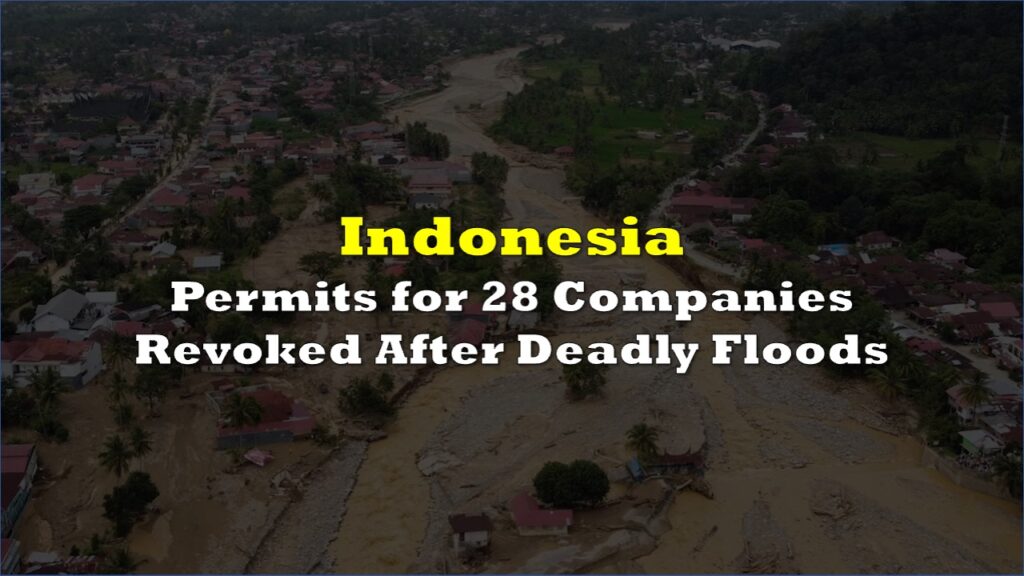

Indonesia has transferred more than 4 million hectares (about 10 million acres) of plantations, mine concessions, and processing facilities to state control, pairing physical seizures with billions of dollars in fines that directly reprice operating risk for miners.
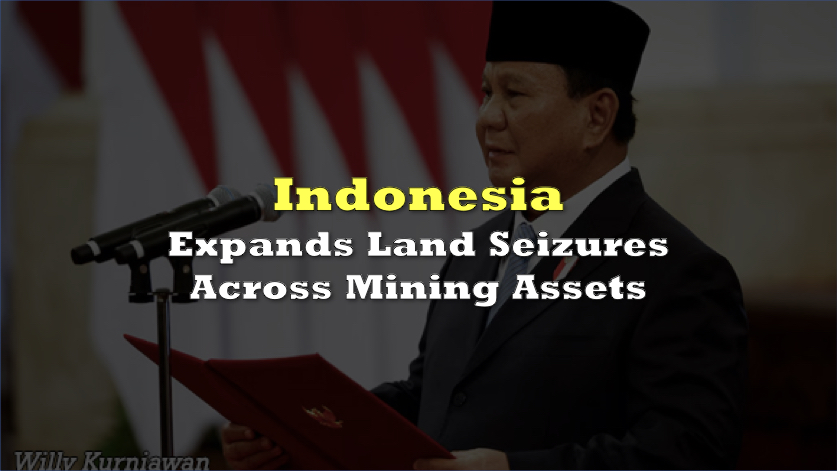
The enforcement drive is run through a recently established Forest Area Enforcement Task Force, led by Defense Minister Sjafrie Sjamsoeddin, with the task force issuing fines and transferring land.
President Prabowo Subianto framed the campaign as the start of a longer arc, saying, “This is just the beginning.”
Indonesia’s attorney general’s office cited orders for 22 miners to pay more than $1.7 billion to return what the government alleges are illegal gains. That compares with about $560 million ordered across roughly four dozen palm companies.
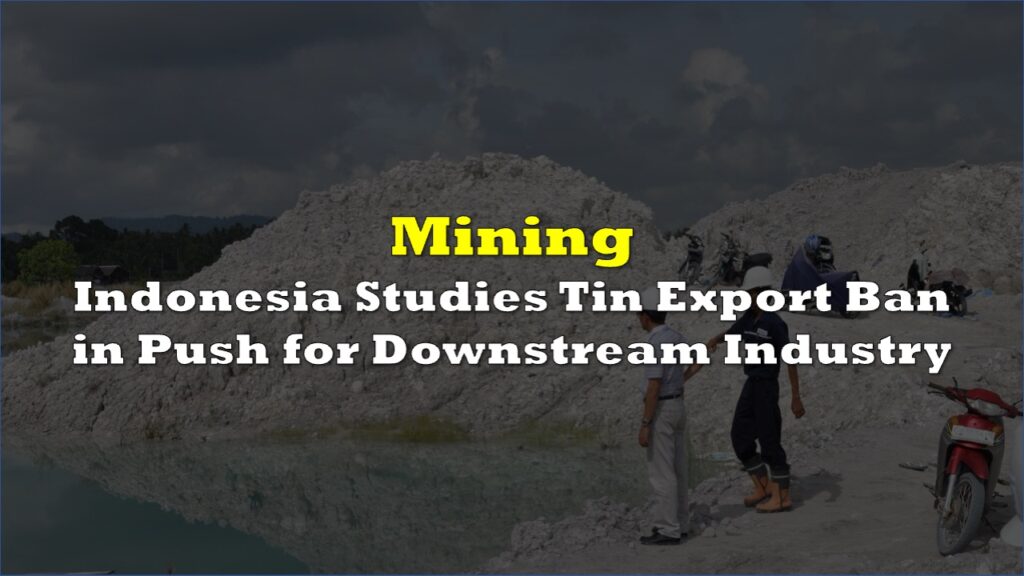
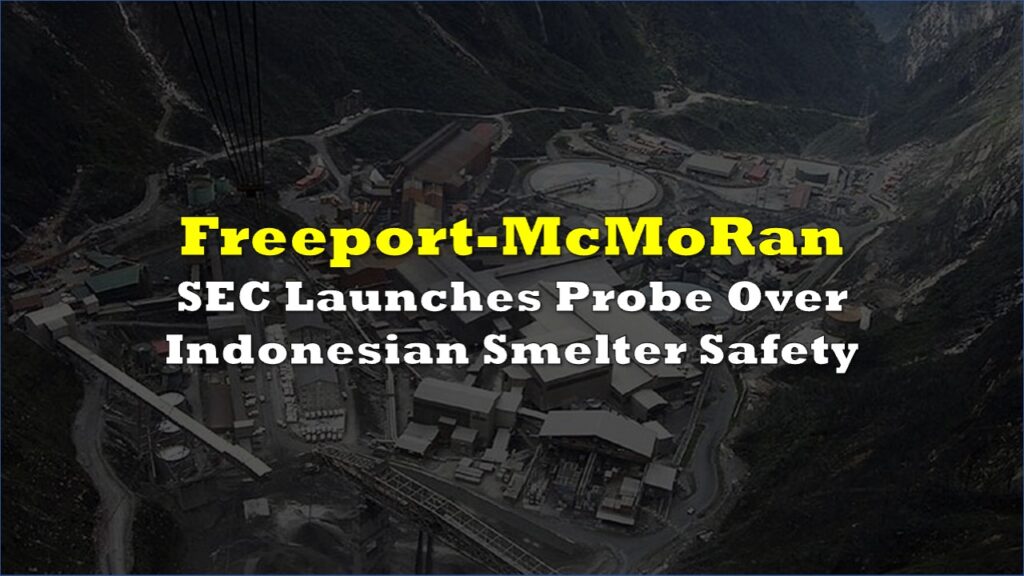
The campaign has also targeted downstream capacity, including a half dozen tin smelters, alongside land actions tied to nickel. Indonesia is described as the biggest nickel producer and a leading source of copper and tin, with commodities positioning raising the odds that domestic enforcement outcomes translate into global supply and pricing sensitivity.
BREAKING NEWS
— Gold Telegraph ⚡ (@GoldTelegraph_) January 4, 2026
INDONESIA SEIZES 10 MILLION ACRES OF MINING CONCESSIONS, PLANTATIONS, AND PROCESSING FACILITIES
The scramble for resources is very real.
This is why jurisdiction is KEY.
Test case: Nickel
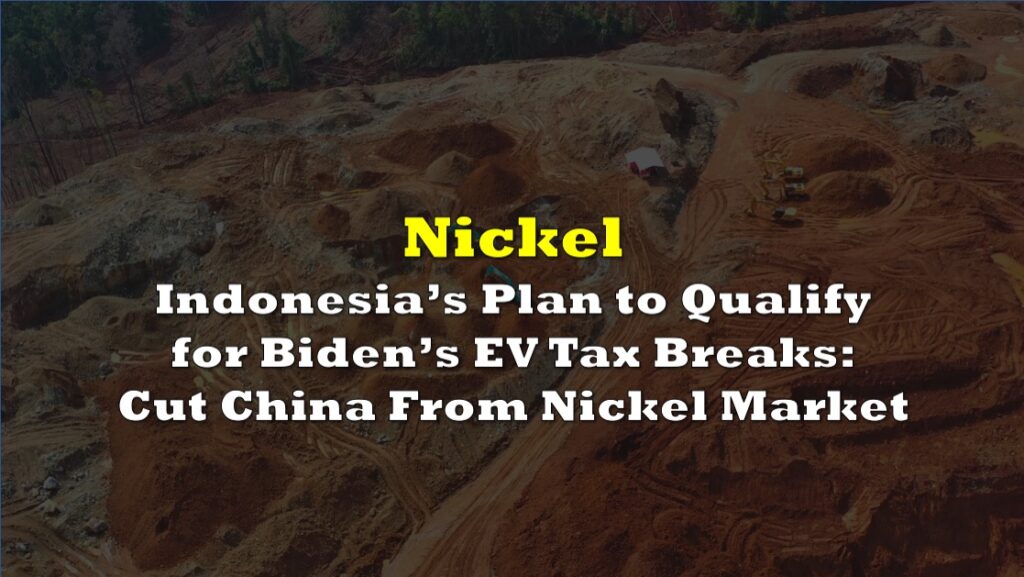
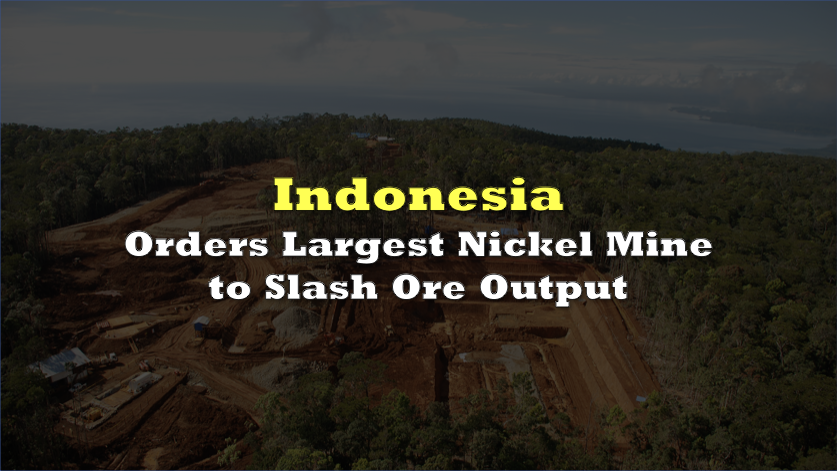
On Halmahera, soldiers arrived alongside a TV crew in September alleging a forestry-permit violation at the world’s biggest nickel mine. Only 148 hectares of a 45,000-hectare site owned by PT Weda Bay Nickel were seized, but the incident still “briefly pushed up global prices.”
A person familiar with the matter said the government is demanding a penalty of about 3 trillion rupiah ($179 million) from the firm. Weda Bay Nickel’s largest shareholder is Tsingshan Holding Group, and a spokesperson said the company complies with authorities and was running checks on the fines.
For nickel miners, the rate was set at $389,000 per hectare, which two miners described as enough to bankrupt many small companies. Separate rates were cited for other miners, with coal, bauxite, and tin facing smaller penalties. For growers, a charge of $1,497 per hectare per year since land clearing began was described, with a five-year exemption to account for the time it takes for oil palms to become productive.
Barita Simanjuntak, an expert at the attorney general’s office, said the internal auditor calculated fines using established formulas, putting a formal pricing mechanism behind enforcement that companies must now model like a contingent liability.
One economist characterized the approach as a “Prabowo-style command economy,” warning it could reduce investor interest. A governance researcher separately warned, “The risk of politicization is high,” adding that this can undermine investor confidence and the credibility of resources governance more broadly.
Information for this briefing was found via Bloomberg and the sources mentioned. The author has no securities or affiliations related to this organization. Not a recommendation to buy or sell. Always do additional research and consult a professional before purchasing a security. The author holds no licenses.