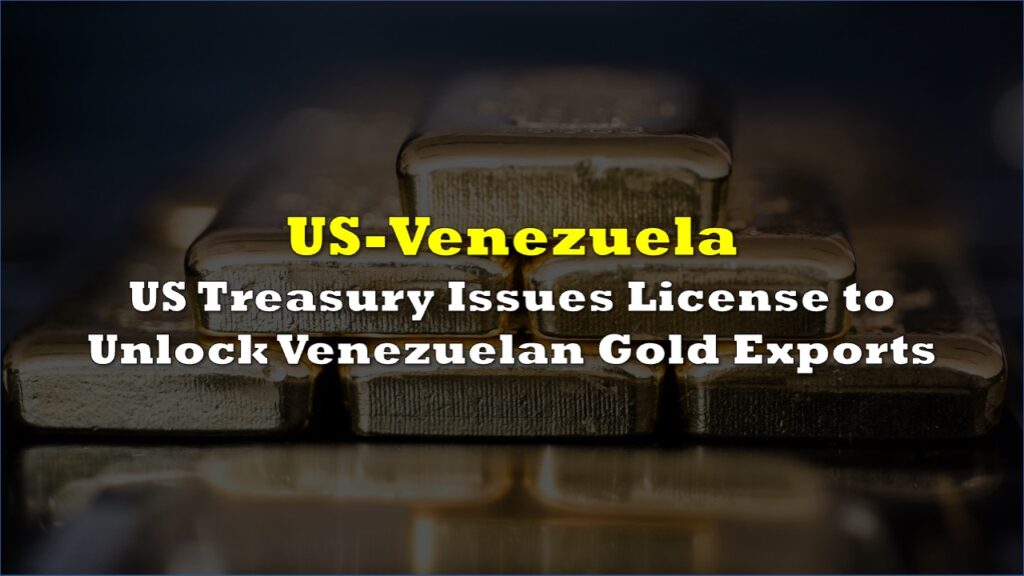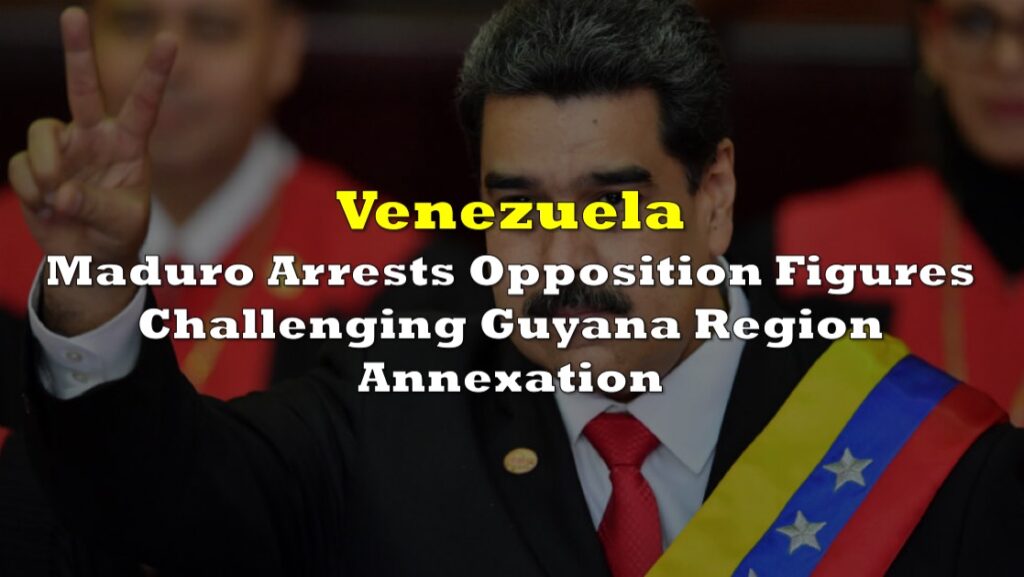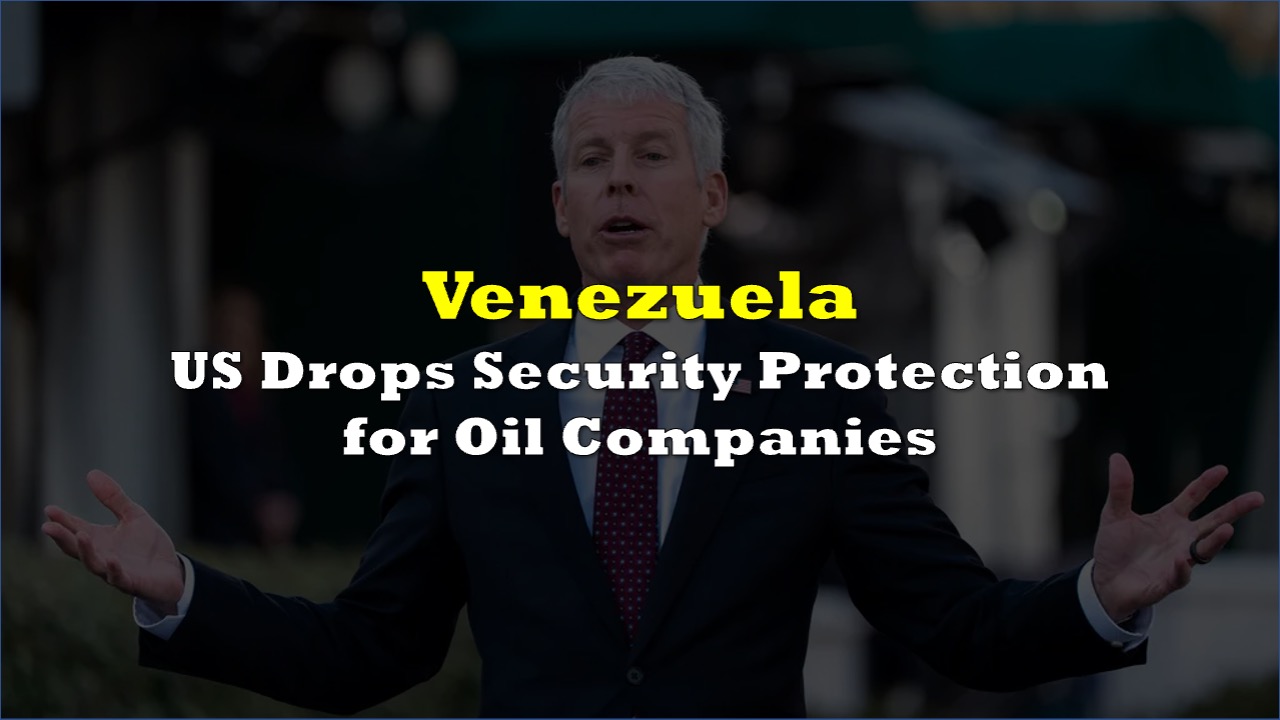

Energy Secretary Chris Wright said Thursday the US will not provide security guarantees to oil companies operating in Venezuela, backing away from President Trump’s promise of “total safety” after executives rejected the administration’s $100 billion investment pitch.
“We are not going to get involved in providing on the ground security for people in Venezuela,” Wright told Bloomberg Television. “Oil and gas companies operate all around the world in all different settings, they’re well-versed in those challenges.”
US HAS NO PLANS TO OFFER SECURITY GUARANTEES TO OIL COMPANIES THAT PLAN TO OPERATE IN VENEZUELA
— *Walter Bloomberg (@DeItaone) January 22, 2026
The reversal comes just two weeks after Trump’s January 9 White House meeting with oil executives, where the president promised companies would receive total safety. Industry leaders responded by calling Venezuela “uninvestable” without political reforms, contract certainty, and security guarantees.
ExxonMobil CEO Darren Woods and American Petroleum Institute president Mike Sommers both cited security assurances as critical prerequisites before committing capital. Trump responded days later on Air Force One by threatening to exclude Exxon from Venezuela opportunities for “playing too cute.”
Read: Trump Threatens to Exclude Exxon After CEO Calls Venezuela ‘Uninvestable’
Wright argued that US control over Venezuelan oil revenues provides sufficient security leverage. “The US involvement right now in controlling the flow of funds in Venezuela gives us huge leverage to reduce the criminality in that country, reestablish peace and better business conditions,” he said.
The State Department maintains a “do not travel” warning for Venezuela, citing severe risks including wrongful detention, torture, terrorism, kidnapping, arbitrary law enforcement, crime, and civil unrest. The agency designates Caracas as a “critical” threat location for crimes affecting US government interests.
Wright said he plans to visit Venezuela within weeks to meet Acting President Delcy Rodríguez, inspect oil infrastructure, and expedite OFAC approvals for American companies wanting to investigate opportunities. “We will definitely see a number of American oil and gas companies going down as well,” he said.
US refiners have resumed Venezuelan crude purchases through trader Vitol at steep discounts, $8.50 to $9.50 per barrel below Brent. Valero and Phillips 66 have snapped up cargoes in recent weeks, reviving trade flows that ended with 2019 sanctions.
The shift marks a retreat from the administration’s push for large upstream investments. Wright said smaller, higher-risk investors could move first while major oil companies wait for stable political and legal frameworks before committing capital.
Oil company executives have warned that without enforceable contracts, clearer fiscal terms, and risk backstops, investment will remain limited regardless of US encouragement. Years of expropriations, contract rewrites, and payment arrears under the Chávez and Maduro governments have made boards reluctant to deploy long-cycle capital.
Venezuela produced 3.5 million barrels per day in the 1970s but has since collapsed to less than 1 million barrels per day. Industry analysts estimate returning to 4 million barrels per day would require $100 billion in investment and at least a decade, even under optimal political conditions.
Information for this story was found via the sources and companies mentioned. The author has no securities or affiliations related to the organizations discussed. Not a recommendation to buy or sell. Always do additional research and consult a professional before purchasing a security. The author holds no licenses.