
Seven Canadian provinces and territories signed an agreement Sunday to coordinate critical minerals development, though the pact includes no binding commitments or funding details.
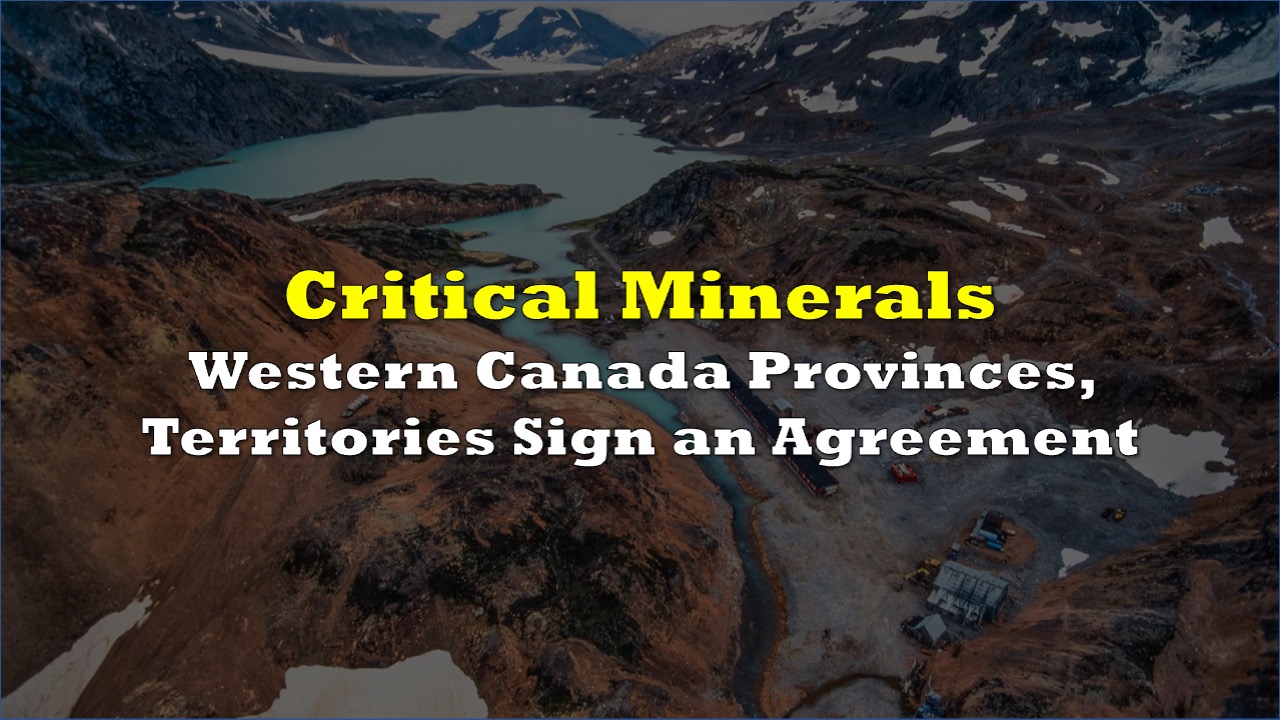
British Columbia, Alberta, Saskatchewan, Manitoba, Yukon, Northwest Territories and Nunavut signed the memorandum of understanding at a summit in Vancouver. The jurisdictions committed to releasing a strategy in June 2026, but officials disclosed no specifics on infrastructure costs or project timelines.
BC, AB, SK, MB, YK, NWT and NU to jointly advance a Western Canadian Critical Minerals Strategy, to be released in June.
— Heather Exner-Pirot (@ExnerPirot) January 26, 2026
Details are still light but I do very much appreciate when jurisdictions roll up their sleeves and coordinate and work together 👏https://t.co/JeUyw8d0eO
“Western Canada is rich in critical minerals like lithium, cobalt, nickel, copper and rare earths, which are crucial for clean energy, advanced technology and defence applications,” said Jagrup Brar, British Columbia’s minister of mining and critical minerals.
The agreement comes as China controls between 60% and 90% of global critical minerals processing capacity, according to industry analyses. The US and other Western nations have sought alternative suppliers, though building processing infrastructure typically requires billions in investment and years of permitting.
British Columbia produces most of Canada’s copper. Saskatchewan produces more potash than any other jurisdiction globally. Manitoba operates one of three active lithium mines in North America. The Northwest Territories contains 25 of the 34 minerals on Canada’s critical minerals list.
The memorandum calls for identifying priority mineral hubs and determining infrastructure investments, but officials did not provide cost estimates or specify which projects would receive priority. Yukon identified the need for an electricity corridor to power mines, though no funding source was announced.
“Alberta is ready to lead,” said Brian Jean, Alberta’s minister of energy and minerals. “With our world-class geology, our strength in processing and refining and our commitment to responsible resource development, we are well positioned to help build secure and resilient critical minerals supply chains for Western Canada.”
The jurisdictions pledged to support Indigenous involvement in projects, including through leadership roles and ownership stakes, though the agreement does not detail how this would work in practice.
Canada’s critical minerals sector faces regulatory hurdles that can extend project timelines by years. The jurisdictions plan to publish their strategy at the Energy and Mining Ministers Conference in June.
Information for this story was found via the sources and companies mentioned. The author has no securities or affiliations related to the organizations discussed. Not a recommendation to buy or sell. Always do additional research and consult a professional before purchasing a security. The author holds no licenses.