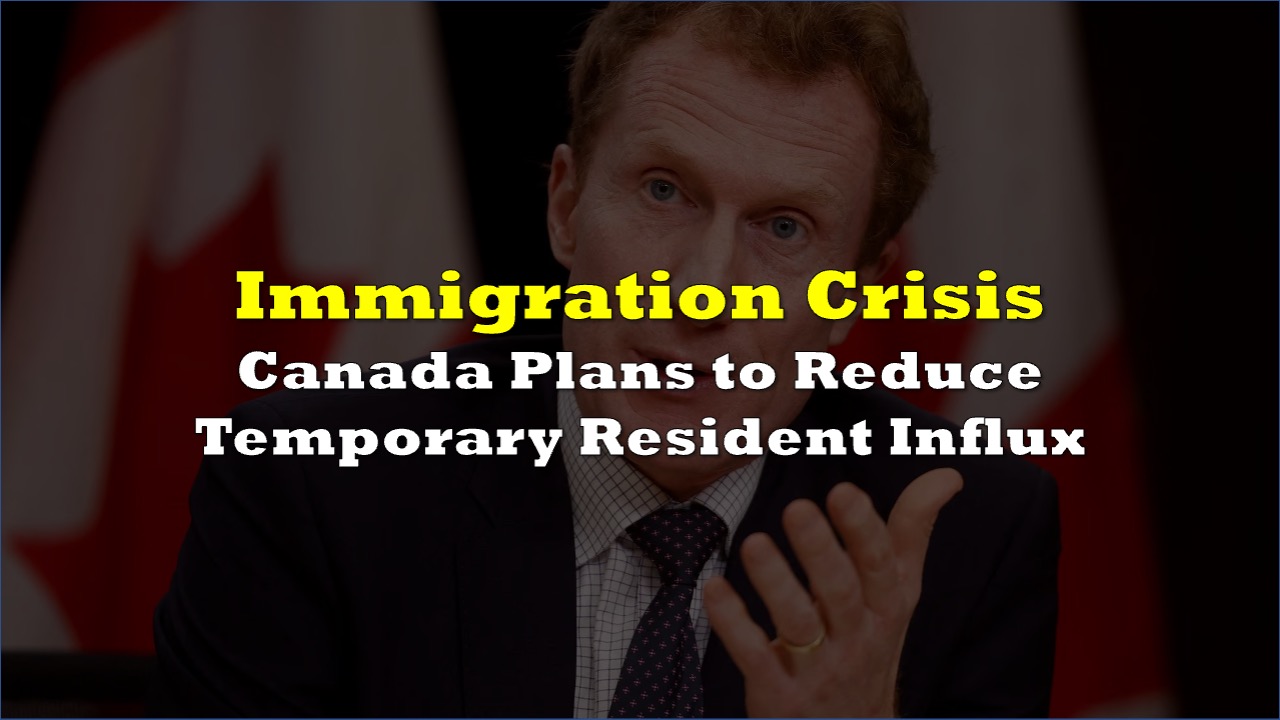

Canada is taking steps to rein in the surging number of temporary residents entering the country annually. Immigration Minister Marc Miller announced that the government will set its first-ever target to reduce temporary resident arrivals by around 20% over the next three years.
The temporary resident population currently stands at over 2.5 million individuals, comprising 6.2% of Canada’s total population. The new policy aims to decrease this figure to around 2 million or 5% of the populace. It will allow better control over the number of foreign workers, international students, and asylum claimants arriving each year.
“This will help strengthen alignment between immigration planning, community capacity, labor market needs, and support predictable population growth,” Miller said during a briefing in Ottawa.
 Sponsored · Cambria Gold Mines
While immigration remains a key driver of Canada’s economic policies under Prime Minister Justin Trudeau, the rapid population increase has strained infrastructure, services, and worsened the housing crisis. Rising living costs and criticism of the government’s immigration approach made it necessary, if not urgent, for the government to introduce measures to moderate newcomer inflows.
Earlier moves included cutting 2024 international student permits by 35% compared to 2023 levels. The government also stabilized the annual permanent resident target at a record 500,000 for the first time in a decade.
Employment Minister Randy Boissonnault announced that starting May 1st, employers in certain sectors like food manufacturing and accommodation services can only hire temporary foreign workers comprising up to 20% of their workforce, down from the previous 30% cap.
“The temporary foreign worker program is a last resort. Employers should not use it to avoid offering competitive wages to Canadians,” Boissonnault warned, urging businesses to invest in domestic workforce development.
The new temporary resident target, slated for announcement later this year, is expected to find a balance between fulfilling labor needs and preserving public confidence in Canada’s immigration system amidst rising concerns.
Information for this story was found via Bloomberg, and the sources and companies mentioned. The author has no securities or affiliations related to the organizations discussed. Not a recommendation to buy or sell. Always do additional research and consult a professional before purchasing a security. The author holds no licenses.