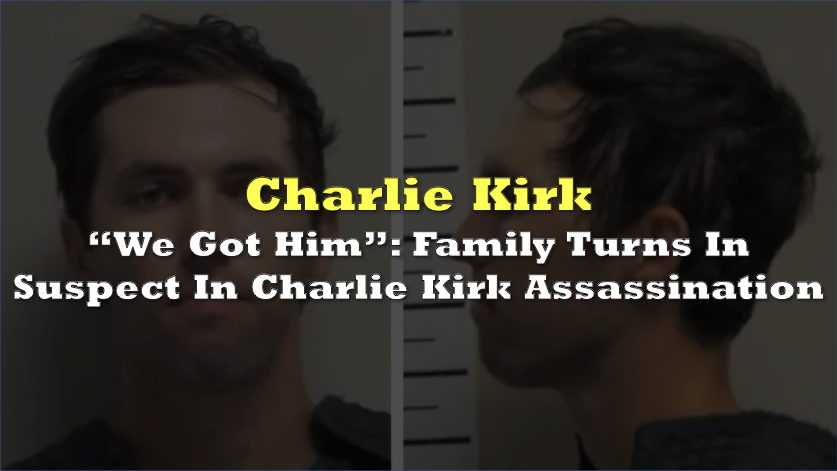

Attorneys for Tyler Robinson, the 22-year-old charged with assassinating conservative activist Charlie Kirk last September, filed a motion Friday claiming federal firearms analysts could not conclusively link the fatal bullet to the rifle allegedly used in the killing — a disclosure the defense intends to present as exculpatory evidence.
The filing states that the Bureau of Alcohol, Tobacco, Firearms and Explosives “was unable to identify the bullet recovered at autopsy to the rifle allegedly tied to Mr. Robinson” — a Mauser Model 98 .30-06 caliber rifle prosecutors say Robinson’s grandfather gave him.
The defense asked the court to delay the May 18 preliminary hearing by at least six months to review the full forensic record, which includes approximately 20,000 files and more than 700 hours of video.
The filing also flagged that DNA analysis from the FBI and ATF found genetic material from multiple individuals on certain evidence items — a complication the defense says requires independent review by forensic biologists, geneticists, and statisticians before trial.
What the finding does and doesn’t mean
The ATF conclusion is inconclusive, not exonerating. “Unable to identify” means analysts could not make a positive match — it does not establish that the bullet came from a different weapon. Defense attorneys also acknowledged in the same filing that they have not yet received the complete forensic case files they are citing.
The FBI is separately running a second comparative bullet analysis, according to court documents reviewed by KUTV.
The prosecution’s case rests on substantially more than ballistics. The original charging information details how Robinson allegedly sent text messages to his roommate and partner Lance Twiggs describing his efforts to retrieve a rifle from a drop point after the shooting.
“If I am able to grab my rifle unseen, I will have left no evidence,” Robinson allegedly wrote. Robinson later allegedly confessed to his father, who recognized the rifle in police-released images during the manhunt and contacted law enforcement.
Prosecutors say Robinson drove three hours from his home in Washington, Utah to the Utah Valley University campus to kill Kirk.
He faces aggravated murder charges and a potential death sentence. A hearing on courtroom media access takes place April 17.
Sheriff’s resignation draws speculation, but no established Link
Washington County Sheriff Nate Brooksby — who facilitated Robinson’s surrender in September and held a press conference describing how the handover was arranged — resigned on March 27 after meeting with county commissioners over undisclosed complaints about his office’s operations.
BREAKING: Sheriff Nate Brooksby, who “arranged” for accused Charlie Kirk assassin Tyler Robinson to turn himself in, has suddenly resigned. pic.twitter.com/IrGwyhNaNc
— The General (@GeneralMCNews) March 31, 2026
The Washington County DA’s Office confirmed that Brooksby denied any wrongdoing, that no charges were expected, and that the individuals who filed the complaints asked the matter not be pursued further. Undersheriff Barry Golding now serves as acting sheriff while the Washington County Republican Party nominates a replacement.
Information for this story was found via the sources and companies mentioned. The author has no securities or affiliations related to the organizations discussed. Not a recommendation to buy or sell. Always do additional research and consult a professional before purchasing a security. The author holds no licenses.