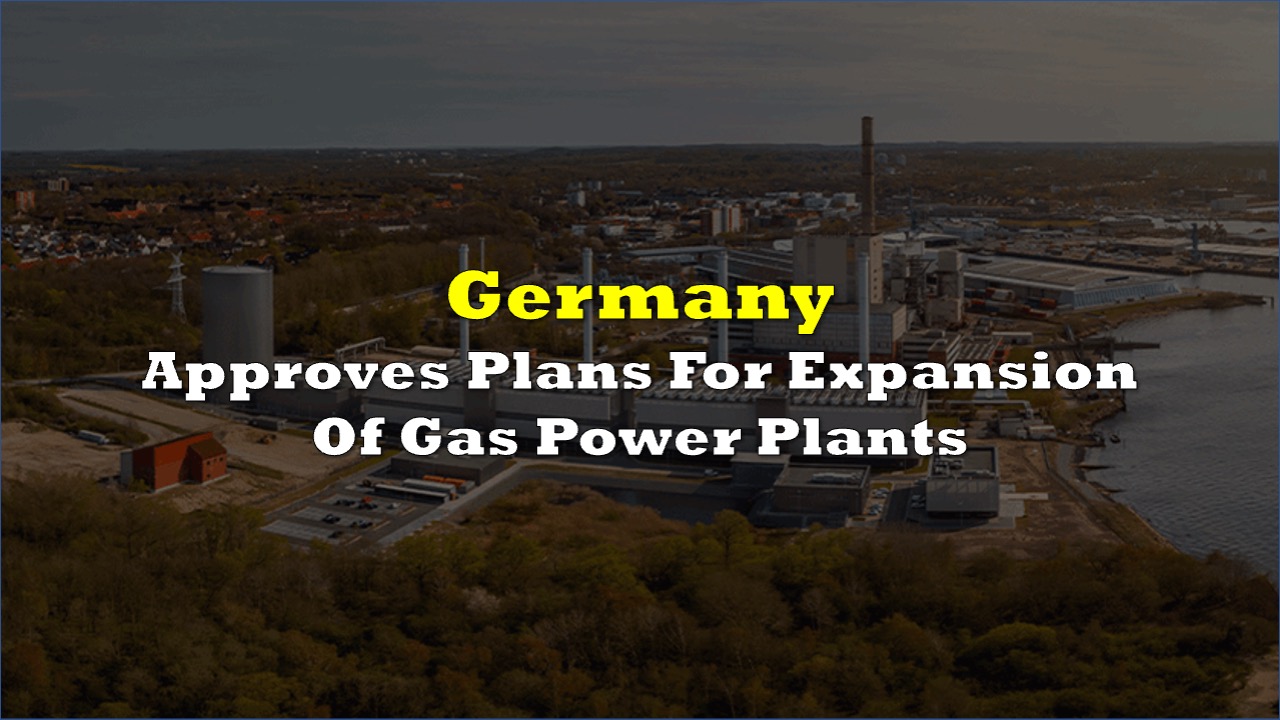

Germany has approved a significant expansion in its gas-fired power capacity, aiming to finance the development of up to 10 gigawatts through four short-term tenders.
This move, expected to lead to the establishment of 15 to 20 new plants, is part of the nation’s strategy to transition towards low-carbon energy production. A unique aspect of this plan is the stipulation that these gas-fired plants must convert to hydrogen between 2035 and 2040, with additional consideration given to carbon capture and storage technologies.
The approval of this expansion comes after prolonged discussions between Chancellor Olaf Scholz and coalition parties, culminating nearly a year after the proposal’s initial unveiling. The project, estimated to cost between €15 billion and €20 billion ($16 billion and $21.5 billion) over the next two decades, includes subsidies covering both investment and operational expenses.
 Sponsored · McLaren Resources Inc.
However, the plan has stirred controversy, especially considering Germany’s commitment — alongside France and five other European nations — to achieve emissions-free power production by 2035. Critics argue that the timeline for the gas plant expansion could compromise this pledge.
Despite these concerns, the German government views the addition of gas-powered capacity as essential, particularly in light of an anticipated power shortage in the 2030s driven by increased electricity demand in the transport and heating sectors. The new gas units are expected to provide consistent baseload power to complement intermittent renewable energy sources like solar and wind.
Flashback: Germany Edges Closer to 50% Renewable Energy Milestone Amid Solar Slowdown
The initiative also aims to foster private investment in the new plants, with a significant portion of the funding expected to come from the nation’s climate and transformation fund. Yet, the European Commission’s approval is still pending, given earlier apprehensions regarding the expansion of fossil fuel-based power.
German utilities and energy companies have expressed support for the government’s plan, emphasizing the urgency of developing new power generation capacities. They are preparing to participate in the upcoming tenders, albeit with careful consideration of the detailed requirements and implications for carbon reduction and infrastructure access.
Environmental groups, however, have criticized the plan, warning that it risks entrenching Germany’s reliance on natural gas and undermining efforts to achieve climate neutrality.
Information for this story was found via Bloomberg, and the sources and companies mentioned. The author has no securities or affiliations related to the organizations discussed. Not a recommendation to buy or sell. Always do additional research and consult a professional before purchasing a security. The author holds no licenses.