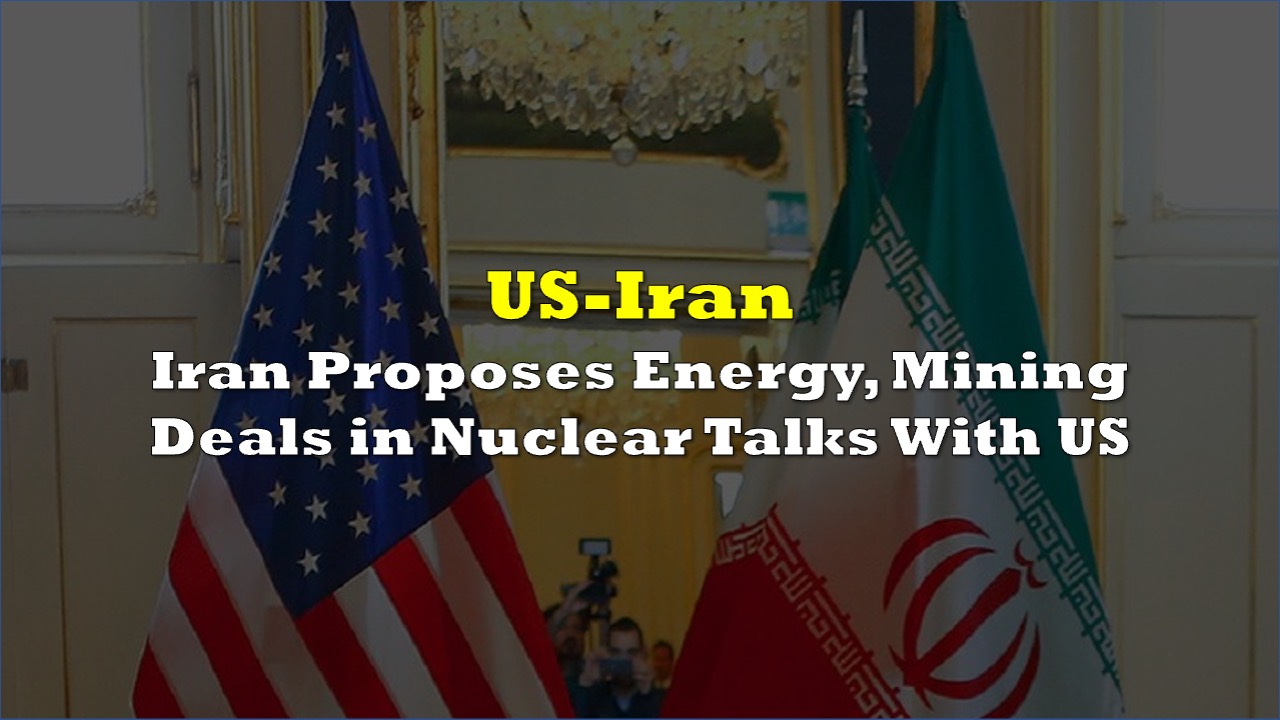

Iran has put forward proposals for energy sector cooperation and commercial deals as part of nuclear negotiations with the United States, an Iranian diplomat said Sunday, days before the second round of talks aimed at preventing military conflict.
Hamid Ghanbari, the Iranian foreign ministry’s deputy director for economic diplomacy, told the Fars news agency that discussions include “common interests in the oil and gas fields, joint fields, mining investments, and even aircraft purchases.”
The diplomat argued an agreement must deliver economic returns for Washington to prove durable, suggesting the 2015 nuclear accord failed to secure US economic interests.
US Special Envoy Steve Witkoff and senior White House adviser and Trump son-in-law Jared Kushner will travel to Geneva for Tuesday’s meeting with Iranian Foreign Minister Abbas Araqchi, Iranian officials confirmed Sunday.
Deputy Foreign Minister Majid Takht-Ravanchi said on Sunday that Tehran stands ready to compromise on its nuclear program in exchange for sanctions relief. Iran’s atomic chief said earlier this week the country could dilute its most highly enriched uranium stockpile if sanctions are lifted.
However, Takht-Ravanchi said Iran will not accept the complete elimination of uranium enrichment, a key point of disagreement with Washington. The US views enrichment inside Iran as a potential path to weapons development, which Tehran denies pursuing.
Trump pledged support for Israeli military action against Iran’s ballistic missile program if diplomatic efforts collapse, according to CBS News, citing two sources familiar with a December meeting at Mar-a-Lago between Trump and Israeli President Benjamin Netanyahu.
Trump reportedly tells Netanyahu US would back Israeli strikes on Iran if nuclear talks fail, with Pentagon weighing refueling and overflight support https://t.co/9w26qZhU6K
— Türkiye Today (@turkiyetodaycom) February 16, 2026
Senior Pentagon and intelligence officials have since begun discussing how Washington might assist potential Israeli strikes, focusing on aerial refueling support and securing overflight permissions from regional countries, two US officials said.
Jordan, Saudi Arabia and the United Arab Emirates have publicly stated they would not permit their airspace for strikes against Iran.
Secretary of State Marco Rubio said in Bratislava that Trump prefers diplomacy but acknowledged no previous administration has reached a lasting agreement with Iran. “No one’s ever been able to do a successful deal with Iran, but we’re going to try,” Rubio said.
US Secretary of State Marco Rubio said no administration has achieved a fully successful deal with Iran, underscoring the complexity of negotiations. He stressed that the US would continue diplomatic efforts while recognising the geopolitical and ideological obstacles. pic.twitter.com/AiLz3r2Hhq
— The National (@TheNationalNews) February 16, 2026
Washington has sent a second carrier group to the Gulf region while officials prepare contingency plans for military strikes should diplomacy collapse, US officials told Reuters. Trump and Netanyahu agreed last week to work toward reducing Iran’s oil exports to China, which buys more than 80% of Iranian oil.
Iran and the US resumed negotiations in early February after talks collapsed last June following Israeli and US airstrikes on Iranian nuclear facilities. Unlike the 2015 deal, which involved multiple world powers, the current talks proceed bilaterally between Washington and Tehran through Omani mediation.
Trump withdrew from that agreement in 2018, calling it inadequate and reimposing sanctions on Iran.
Information for this story was found via the sources and companies mentioned. The author has no securities or affiliations related to the organizations discussed. Not a recommendation to buy or sell. Always do additional research and consult a professional before purchasing a security. The author holds no licenses.