

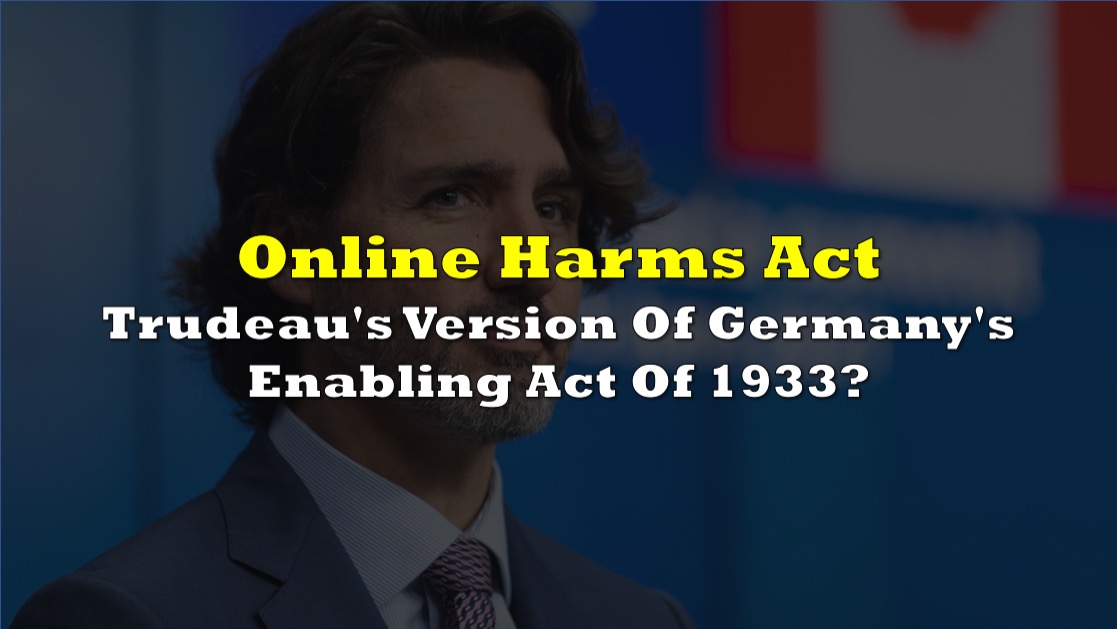

Canadian Prime Minister Justin Trudeau has announced the introduction of the Online Harms Act, a comprehensive legislative effort aimed at regulating internet content. Emphasizing the imperative to address harmful content online, particularly to safeguard children, Trudeau outlined the key objectives of the proposed legislation.
The Online Harms Act seeks to hold major internet platforms accountable for hosting harmful content and to foster a safer online environment for all users.
Key provisions of the Online Harms Act include:
 Sponsored · Selkirk Copper Mines
- Legislative and Regulatory Framework: The Act establishes a new framework mandating online platforms to adopt measures targeting seven specific categories of harmful content. This framework seeks to mitigate risks associated with content such as child sexual exploitation, self-harm promotion, violence incitement, and hate speech.
- Clear Flagging Mechanisms: Online services will be required to provide clear and accessible ways for users to flag harmful content. Additionally, platforms must implement safety measures tailored for children and take steps to reduce exposure to harmful material.
- Strengthening Laws Against Hatred: The Act proposes amendments to strengthen laws combating hatred, both online and offline. This includes defining “hatred” in the Criminal Code, increasing penalties for hate propaganda offenses, and introducing a standalone hate crime offense.
- Enhancement of Child Protection Laws: Laws concerning the mandatory reporting of internet child pornography will be enhanced to better protect young people from online exploitation.
- Establishment of Oversight Bodies: To ensure compliance and enforcement of the regulatory framework, the Act establishes a Digital Safety Commission and a Digital Safety Ombudsperson. These entities will oversee regulatory obligations, set new standards for online safety, and advocate for the public interest in online safety matters.
“Enabling Act” of 1933
Despite these efforts, critics have voiced apprehensions regarding potential government overreach and concerns about the impact on freedom of expression, particularly regarding hate speech regulations. Some have drawn parallels between the proposed legislation and authoritarian measures, raising alarms about its potential implications for individual liberties.
“There is an easy explanation – this is Trudeau’s version of [German dictator Adolf Hitler’s] “Enabling Act” of 1933,” said one X user, referencing the arcane German law that empowered Hitler’s dictatorial powers.
The Enabling Act allowed the Cabinet, essentially controlled by Hitler, to enact laws without the approval of the Reichstag or the President of Germany. With this law in place, Hitler’s government could bypass parliamentary procedures and implement policies rapidly and unilaterally.
Among the contentions of the critics with the proposed Online Harms Act is the provision to “amend the Canadian Human Rights Act and specify that posting hate speech online is discrimination.” This is exacerbated by the idea that it is labeled a new standalone hate-crime offence, and allowing the courts “the option of imposing penalties of up to life imprisonment for particularly egregious cases.”
However, Trudeau emphasized the necessity of these measures, highlighting the urgent need to address harmful online content that poses risks to individuals, particularly children.
“For too long, web giants have failed to keep kids safe online. Far too often, this has had devastating consequences,” Trudeau posted on X.
The Act requires online platforms, including livestreaming and adult content services, to take proactive steps in reducing exposure to harmful content and providing transparent measures to protect users.
The development of the Online Harms Act is said to have followed extensive consultations conducted by the Government of Canada, including public consultations, expert advisory groups, and roundtable discussions across the country.
Information for this briefing was found via the sources mentioned. The author has no securities or affiliations related to this organization. Not a recommendation to buy or sell. Always do additional research and consult a professional before purchasing a security. The author holds no licenses.




2 Responses
Is it hate to say people who didn’t get vaxxed are taking up space and a waste of space
I trust the liberals as much as I trust discount gas station sushi