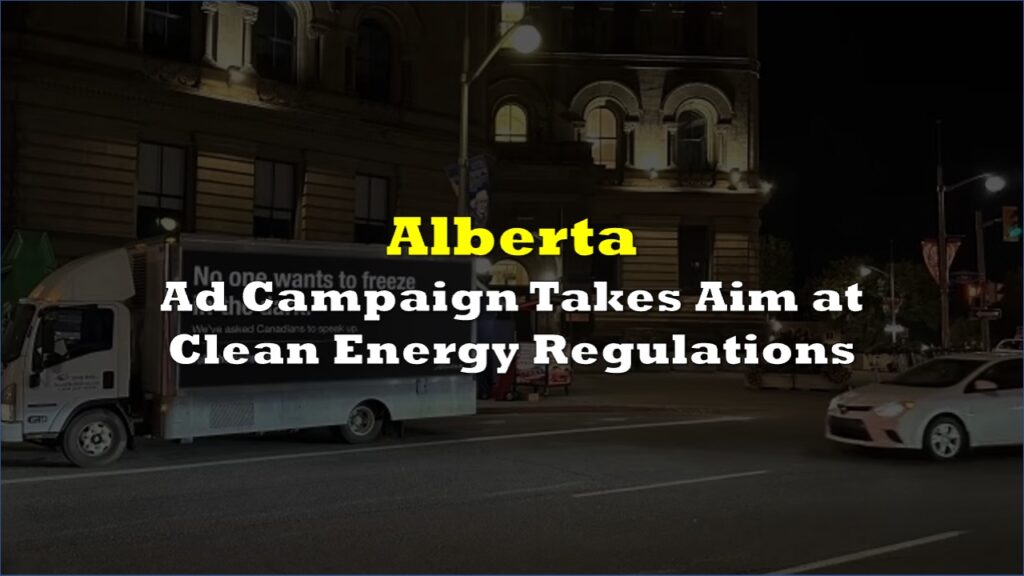
Canada will force its energy sector to slash greenhouse gas emissions by 35% over the next six years, introducing a sweeping policy that deepens the rift between federal and provincial governments.
The initiative, announced by Environment Minister Steven Guilbeault, introduces a market-based emissions trading program set to take effect in 2030. The system will establish legal boundaries for pollution while creating economic incentives for companies that successfully reduce their carbon footprint.
Implementation will follow a tiered approach, and major energy producers — those exceeding 365,000 barrels of annual production — must initiate emissions tracking by 2026, followed by smaller operators in 2029. The framework allows companies to meet up to one-fifth of their obligations through alternative measures, including carbon offset purchases or contributions to green technology funds.
 Sponsored · Cambria Gold Mines
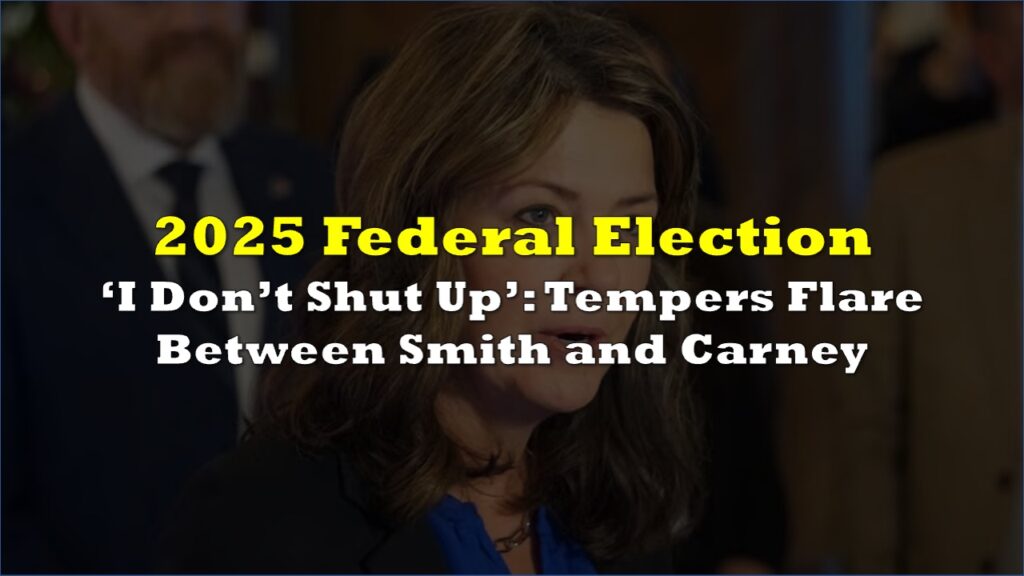
The announcement has intensified the already strained relationship between federal authorities and Canada’s energy heartland. Alberta Premier Danielle Smith responded with unprecedented defiance, threatening both legal action and the invocation of provincial sovereignty laws to resist federal oversight.
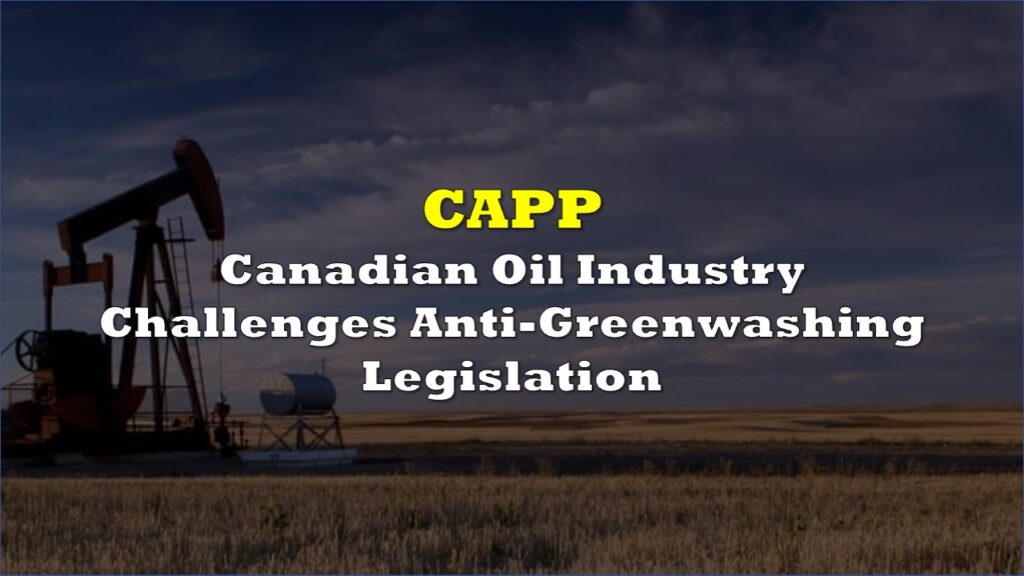
Industry leaders paint a grim picture of the economic consequences. The Canadian Association of Petroleum Producers warns of regulatory oversaturation, while TC Energy foresees rising household energy costs. Despite these concerns, federal projections suggest the sector will continue to expand, with production expected to rise 16% by the early 2030s.
The initiative builds upon existing environmental frameworks, including national carbon pricing and various incentive programs. However, its longevity faces political uncertainty. Opposition leader Pierre Poilievre, currently favored in polls ahead of next year’s election, has committed to dismantling much of the current administration’s environmental agenda.
The announcement carries particular weight given Canada’s position as the world’s fourth-largest oil and fifth-largest gas producer. This represents Ottawa’s most assertive step yet to align the country’s dominant energy sector with its climate commitments. Final regulatory details are expected to emerge in 2025 following extensive stakeholder consultations.
Information for this story was found via Bloomberg, and the sources and companies mentioned. The author has no securities or affiliations related to the organizations discussed. Not a recommendation to buy or sell. Always do additional research and consult a professional before purchasing a security. The author holds no licenses.