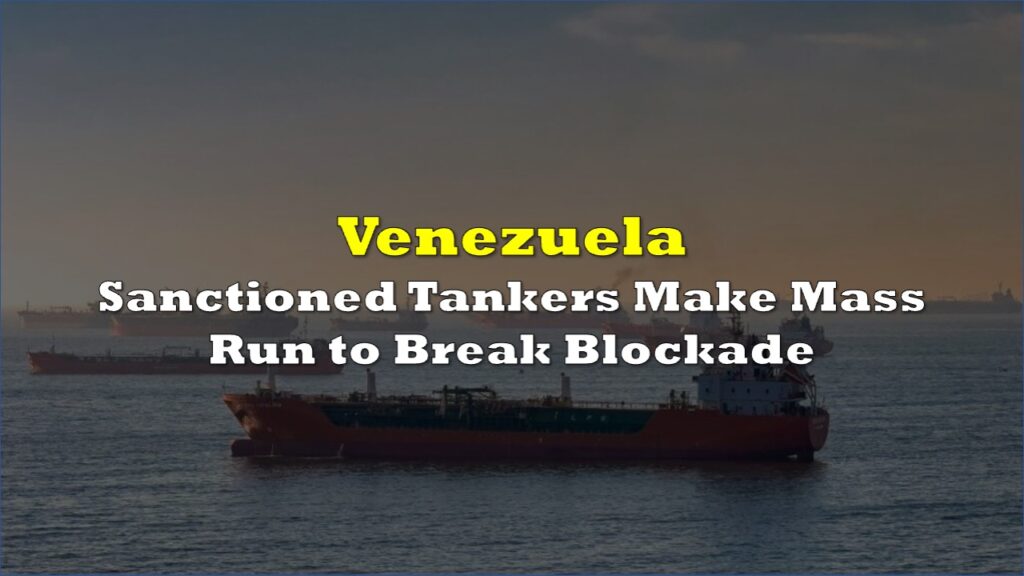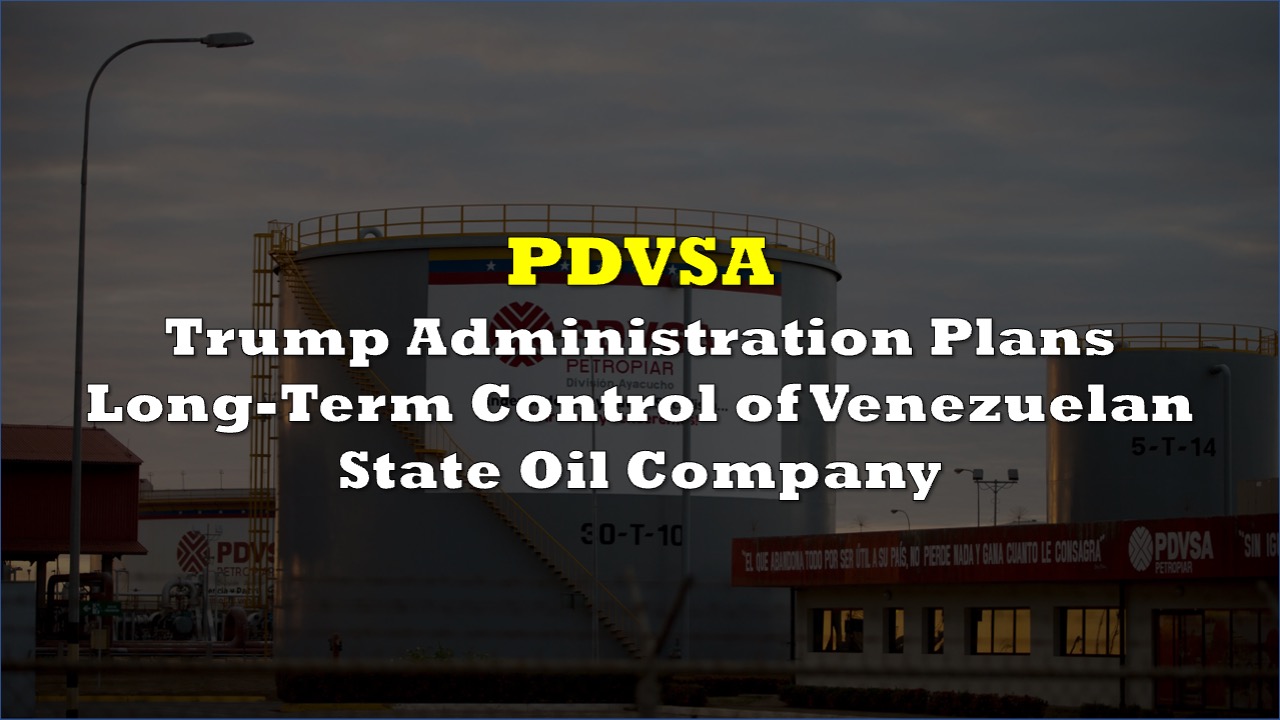

The Trump administration is pursuing a plan to exert control over Venezuela’s state-run oil company for years to come, going beyond Wednesday’s announcement that the US will indefinitely market Venezuelan crude to potentially managing operations at Petróleos de Venezuela SA itself.
A plan under consideration envisions the US “exerting some control” over PDVSA — including acquiring and marketing the bulk of the company’s oil production — through a deal that would work through past and existing joint ventures with energy giants such as Chevron, The Wall Street Journal reported Wednesday night.
Read: US to Control Venezuelan Oil Sales ‘Indefinitely,’ Energy Secretary Says
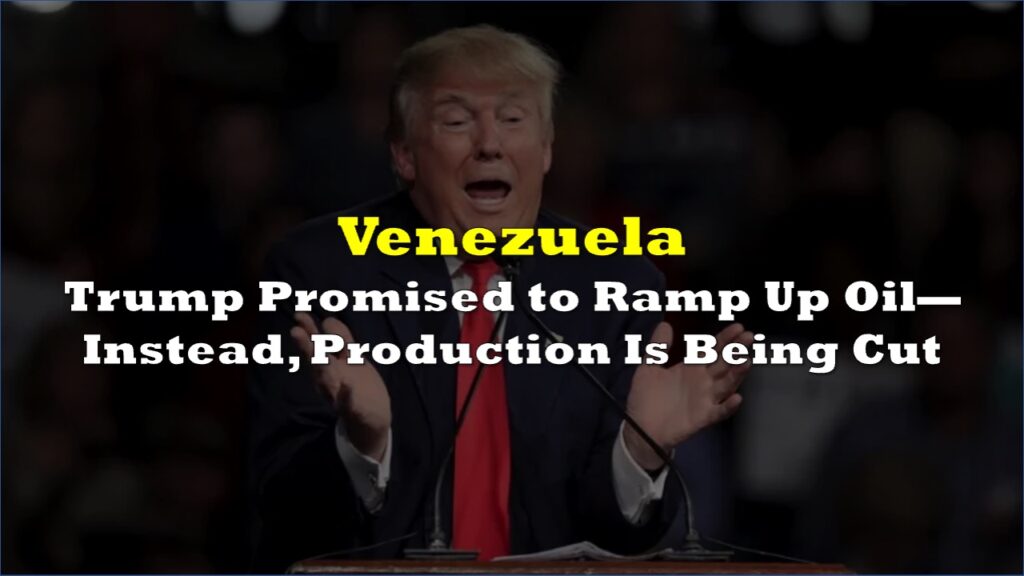
President Trump has told aides he believes the effort could push oil prices to $50 a barrel, his preferred level. The plan could effectively give the US stewardship of most oil reserves in the Western Hemisphere while boxing Russia and China out of Venezuela.
Trump is scheduled to meet Friday with executives from Chevron, ExxonMobil, ConocoPhillips and more than a dozen other companies, with the invite list at one point featuring as many as 19 executives, according to CNN. Veteran wildcatter Harold Hamm is expected to attend, Bloomberg reported.
“All of our oil companies are ready and willing to make big investments in Venezuela that will rebuild their oil infrastructure, which was destroyed by the illegitimate Maduro regime,” White House spokeswoman Taylor Rogers said.
The administration faces skepticism from major oil companies wary of investing amid political uncertainty and the dilapidated state of Venezuela’s infrastructure after years of underinvestment.
Treasury Secretary Scott Bessent acknowledged Thursday that oil majors like Exxon and ConocoPhillips aren’t ready to dive in — but insisted independents are eager. “I can tell you that the independent oil companies and individuals — wildcatters — our phone is ringing off the hook,” Bessent said at the Economic Club of Minnesota. “They want to get to Venezuela yesterday.”
Energy Secretary Chris Wright said Chevron could expand “pretty quickly,” while ExxonMobil and ConocoPhillips would need “normal commercial business conditions, rule of law and some security to go back in.”
Trump’s $50-a-barrel target poses a challenge for the domestic oil industry that has backed him. Oil prices are already at $56 a barrel, and many companies see $50 as a threshold below which it becomes unprofitable to drill. A sustained period of low oil prices could decimate the US shale industry.
Related: Oil Executives Warn of ‘Twilight of Shale’ as Industry Faces Crisis
“Investors don’t care about energy dominance. They care about energy dividends,” said Clay Seigle, a senior fellow at the Center for Strategic and International Studies.
US oil output increased just over 3% between December 2024 and November 2025 — a bump brought about mostly by efficiencies, not by Trump’s policies, according to the Energy Information Administration.
PDVSA confirmed negotiations with the US are “based on a strictly commercial transaction, with criteria of legality, transparency and benefit for both parties.”
However, PDVSA board member Wills Rangel told Reuters the US would need to pay international prices. “We owe nothing to the United States,” Rangel said.
Venezuela nationalized its oil industry in 1976. In 2007, President Hugo Chávez forced foreign companies to give PDVSA majority control of joint ventures or exit. ExxonMobil and ConocoPhillips left and later won billions in international arbitration — money Venezuela has not paid. ConocoPhillips won an $8.5 billion award upheld in January 2025. Analysts estimate international courts have ordered Venezuela to pay $60 billion.
Read: Does Venezuela Really Have 300 Billion Barrels of Oil?
Chevron stayed as the only US oil company operating in Venezuela, currently exporting about 150,000 barrels per day. Venezuela’s production peaked at 3.5 million barrels per day in the late 1990s but has plunged to around 800,000 to 1 million barrels per day. The country sits atop 303 billion barrels of proven reserves — about 17% of the global total.
China is currently the largest importer of Venezuelan oil, and Venezuela owes China about $10 billion. US control over production and marketing would give Washington a large say in the oil’s destination and a share of profits for US companies.
Information for this story was found via the sources and companies mentioned. The author has no securities or affiliations related to the organizations discussed. Not a recommendation to buy or sell. Always do additional research and consult a professional before purchasing a security. The author holds no licenses.