
The UK is now experiencing similar side-effects from economic shutdowns to that of the US. A substantial increase in food and alcohol sales has ensued, but retail and non-essential sales have plummeted to historic lows.
The UK began its lockdown period on March 23 as a means of mitigating the spread of the deadly coronavirus. As a result, the sale of essential goods such as food increased from February to March by 10.2%, meanwhile the demand for online food delivery surged by 101%. The demand increase for grocery delivery was so extensive, that consumers were waiting upwards of a week to have their shopping list fulfilled and delivered. In addition, alcohol sales also increased by 32.6% over the same time period, most likely because consumers were no longer able to go out to restaurants or pubs, which are deemed as non-essential.
Although the demand for some goods experienced a significant increase, other sales involving brick-and mortar stores did not have the same fate. Non-essential retail sales such as clothing and footwear plummeted by 35.7%, meanwhile household goods sales fell by 8.9% year over year. Since many Brits have been confined to their home while lockdown measures are in place, fuel sales have also thus dropped by 23.9% on a year over year basis.
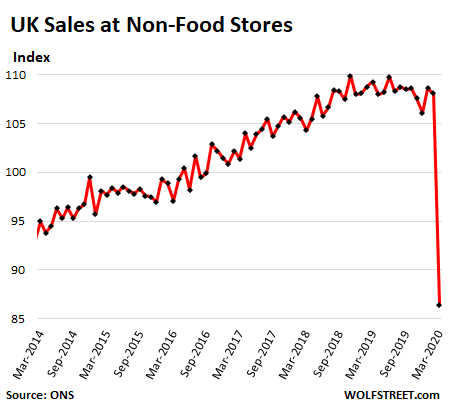
The majority of brick and mortar stores have not been faring very well through this pandemic. Well before the current economic downturn in the UK, many stores were already going downhill, experiencing lack of profitability, high rents, lack of disposable income among consumers, and heightened online competition. For many, the economic lockdown was the final nail in the coffin, resulting in stores such as Cath Kidston, Oasis & Warehouse, and Debenhams filing for bankruptcy. In the meantime however, the online shopping industry has been quietly trudging a positive path towards success.
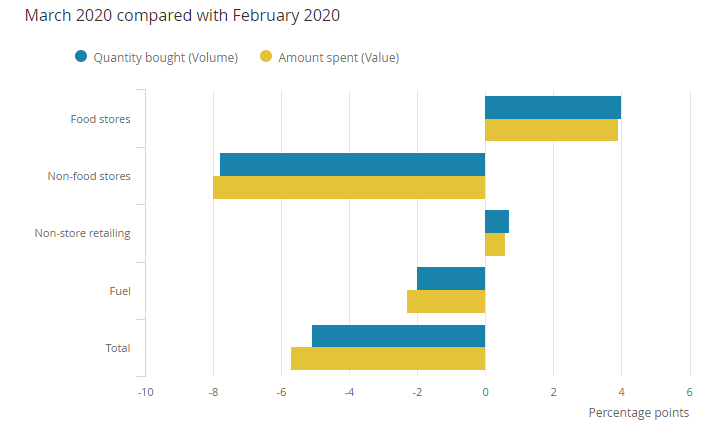
Many consumers have been taking the safe route by staying at home and shopping online for essential goods such as food, in addition to allocating what is then left of their income towards further online purchases of non-essential retail goods. Since February, the online sale of household items increased by 14%, sparking a fear among brick-and-mortar shop owners regarding the future of consumerism. Given that there is a certain level of convenience and safety attached to shopping from a computer screen in the comfort of one’s own home, those remaining brick-and-mortar retailers are getting worried that once the pandemic is over, consumers will continue shopping for essential and non-essential goods online and avoid stores altogether.
 Sponsored · Cambria Gold Mines
Information for this briefing was found via the Centre for Retail Research, Wolf Street, and Office for National Statistics. The author has no securities or affiliations related to this organization. Not a recommendation to buy or sell. Always do additional research and consult a professional before purchasing a security. The author holds no licenses.