
Canada, Germany, and Norway publicly broke with Washington over Russia on Friday — while standing on an Arctic military base alongside US troops.
The US issued a 30-day waiver on March 13, allowing buyers to purchase Russian crude and petroleum products stranded at sea — Treasury Secretary Scott Bessent’s attempt to ease oil markets that have surged more than 40% since the Iran strikes began February 28.
Read: U.S. Treasury Eases Russian Oil Sanctions to Stabilize Global Energy Markets
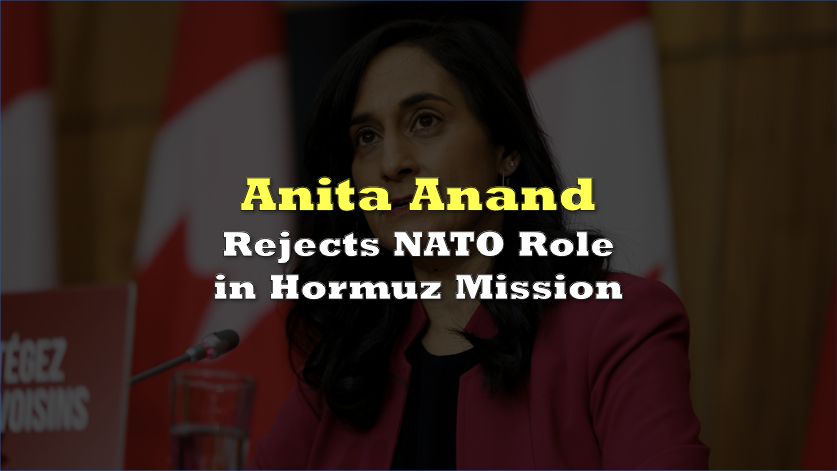
Prime Ministers Mark Carney, Friedrich Merz, and Jonas Gahr Støre rejected it on the spot at a joint press conference at NATO’s Cold Response exercise in northern Norway.
Merz said six of seven G7 nations opposed the decision. “We were a little bit surprised when we heard this morning that the American government decided differently,” he said. Russia “should not benefit” from relief tied to a conflict Washington started.
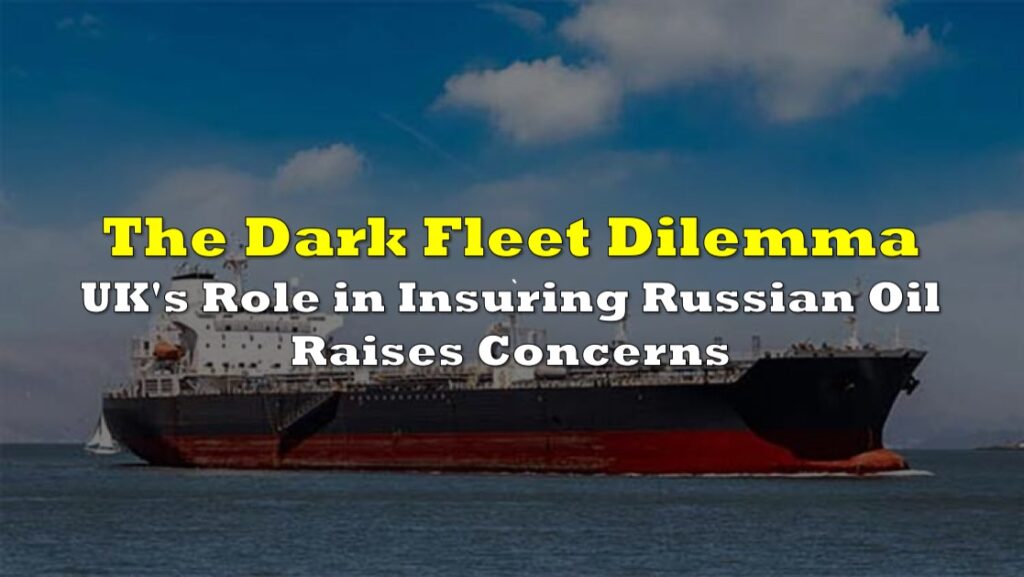
Carney was blunt: “Canada’s position is to maintain sanctions on Russia, including on the shadow fleet which is moving this oil. We all have direct lines to the president, and we’ll use them.”
Moscow was, of course, delighted — and had reason to be. Russia’s oil revenues had hit a five-year low entering March, with Urals crude trading around $41 per barrel in January and $44 in February. The Iran war reversed that in days.
Kremlin spokesman Dmitry Peskov said stabilizing global energy markets was impossible “without significant volumes of Russian oil.”
Putin’s economic envoy Kirill Dmitriev, who met with Trump’s team in Florida the day before the waiver was announced, posted a waving Russian flag on X: “Buy Russian oil and gas to maintain a balanced energy supply.”
Russian energy is indispensable to easing the world’s largest energy crisis.
— Kirill Dmitriev (@kadmitriev) March 13, 2026
EU bureaucrats will soon be forced to recognize this reality, acknowledge their strategic blunders, and atone. https://t.co/5kn6RTZBb3
Vladimir Milov, a former Russian deputy energy minister turned Kremlin critic in exile, told Politico: “Suddenly, Moscow received this gift. They had their lifeline.” Russian officials, he said, are now “very, very happy.”
Related: Russia Fuels Iran’s War Effort with Intelligence on US Military Targets
According to CREA, Russia is earning roughly €510 million per day from oil and gas exports this month — 14% above February — as Urals trades above $80 per barrel.
Trump dismissed the European pushback the next day, telling NBC News on March 14 that sanctions “will go back as soon as the crisis is over.” He did not say what happens when the license expires April 11 if the war has not ended — the precise question Moscow is betting will be answered in its favor.
In Paris the same day, Ukrainian President Volodymyr Zelenskyy put a number on it: the waiver “could provide Russia with about $10 billion for the war.”
French President Emmanuel Macron was direct with Moscow: “Russia may believe that the war in Iran will give it a respite. It is mistaken.”
Information for this story was found via the sources and companies mentioned. The author has no securities or affiliations related to the organizations discussed. Not a recommendation to buy or sell. Always do additional research and consult a professional before purchasing a security. The author holds no licenses.