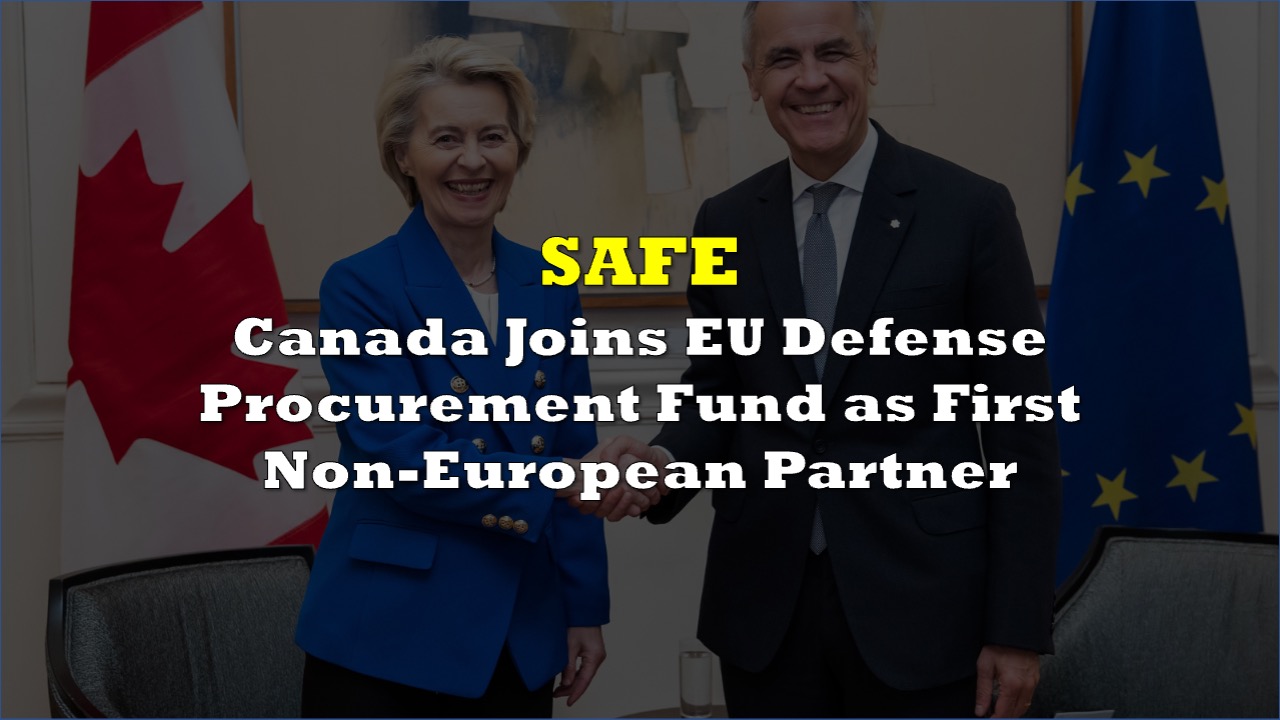

Canada finalized an agreement Monday to join the European Union’s €150 billion military procurement initiative, marking a strategic pivot away from traditional US defense partnerships as Prime Minister Mark Carney seeks to diversify the country’s security relationships.
Defense Minister David McGuinty announced Canada’s entry into the Security Action for Europe program, which provides low-interest loans for joint weapons purchases across the 27-member bloc. The deal makes Canada the first non-European nation to access the fund, though officials declined to disclose the entry fee required for participation.
Welcome to SAFE, Canada!
— Ursula von der Leyen (@vonderleyen) December 1, 2025
When like-minded partners join forces on security and defence in a turbulent world, our countries grow stronger, our industries benefit and our citizens are safer.
Our Joint Statement ↓https://t.co/b3TXbM1cOP pic.twitter.com/KU1PJltHV9
“Canada’s participation in SAFE will fill key capability gaps, expand markets for Canadian suppliers, and attract European defence investment into Canada,” Carney said in a statement Monday.
The agreement allows Canadian defense companies to bid on contracts financed through the fund and participate in large-scale procurement projects alongside European partners. The program aims to achieve cost savings through collective purchasing while strengthening the continent’s military readiness ahead of a 2030 defense preparedness target.
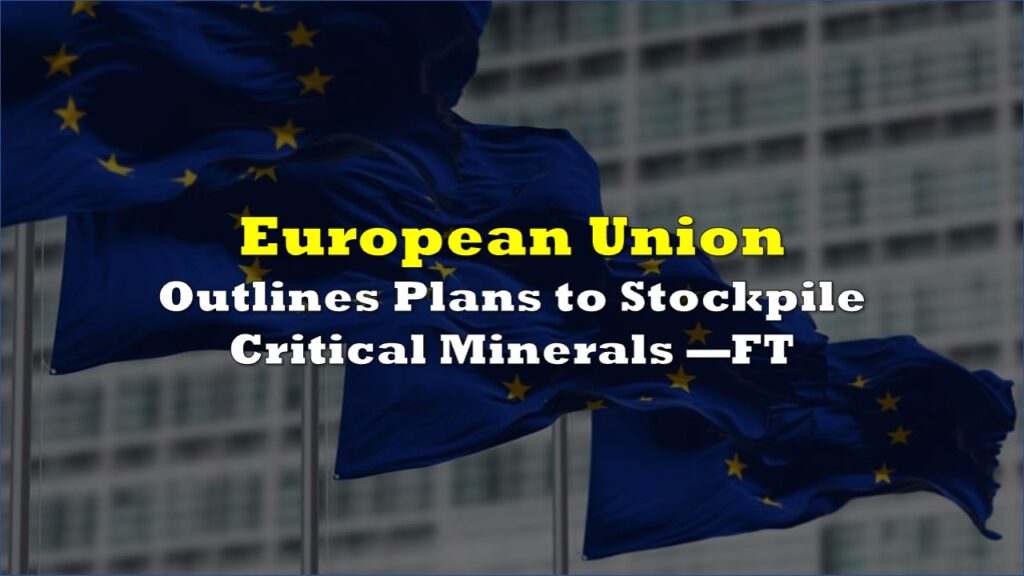
The EU launched SAFE earlier this year amid escalating security concerns over Russia’s ongoing war with Ukraine and growing doubts about the reliability of US military protection. The EU allocated €43.7 billion to Poland, the largest portion to date, and €16.6 billion to Romania.
Canada’s entry builds on a broader Security and Defence Partnership that Ottawa and Brussels signed in June 2025. That framework agreement opened discussions on reducing Canada’s heavy reliance on US military equipment, which currently accounts for roughly 75% of the country’s defense procurement.
The timing reflects heightened tensions in Canada-US relations following President Donald Trump’s trade disputes with Ottawa and controversial suggestions that Canada become the 51st US state.
We still are awaiting details, but good. This is coming in clutch though. Right at the tail-end of the deadlines for submitting proposals. https://t.co/nRpR3Yg8n8
— NOBY (@NoahGairn) December 1, 2025
McGuinty acknowledged that final details remain under negotiation but expressed confidence that the partnership would create substantial opportunities for Canadian defense contractors. The entry fee calculation considers projected business volumes for Canadian companies under the program.
Similar negotiations between the EU and the United Kingdom collapsed last week after the two sides failed to agree on London’s participation fee. Without a finalized fee agreement, companies face limitations on their total project contributions.
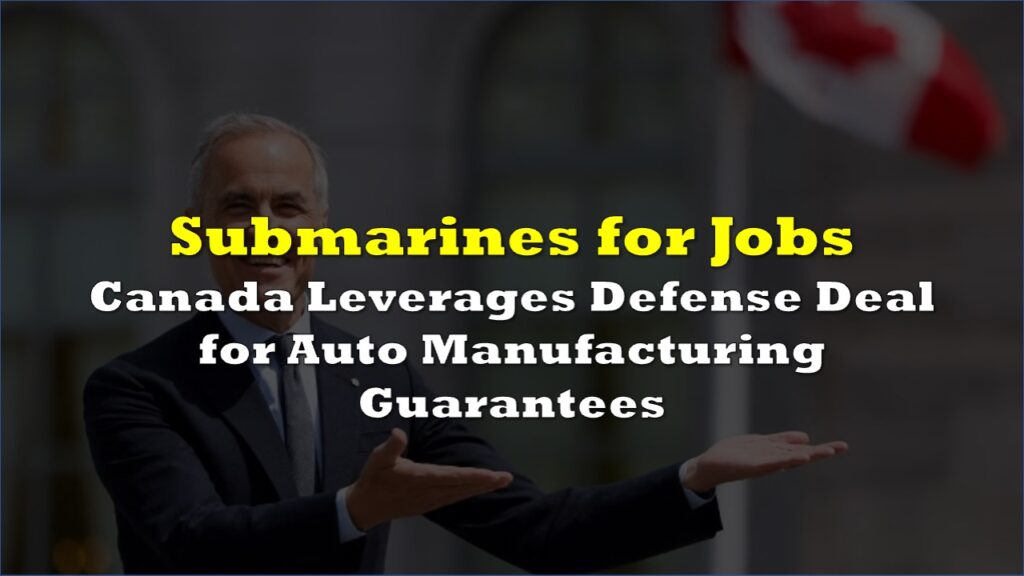
Defense analysts note that Canada may need to award significant procurement contracts to European suppliers to encourage reciprocal business for Canadian firms. One major decision facing Ottawa involves potentially replacing planned purchases of Lockheed Martin’s F-35 fighter jets with Sweden’s Saab Gripen aircraft.
Related: US Ambassador Says Fighter Jet Purchase Affects Canada’s Trade Talk Prospects
Joint defense projects under SAFE require at least 65% of components to originate from EU member states, though partner nations like Canada may receive exemptions. Priority spending areas include missiles, ammunition, artillery systems, drones, cyber warfare capabilities, and air defense systems.
The agreement advances both Canada’s commitment to raise defense spending to 5% of GDP by 2035 under NATO targets and the country’s broader effort to establish stronger economic and security ties with Europe.
Information for this story was found via the sources and companies mentioned. The author has no securities or affiliations related to the organizations discussed. Not a recommendation to buy or sell. Always do additional research and consult a professional before purchasing a security. The author holds no licenses.