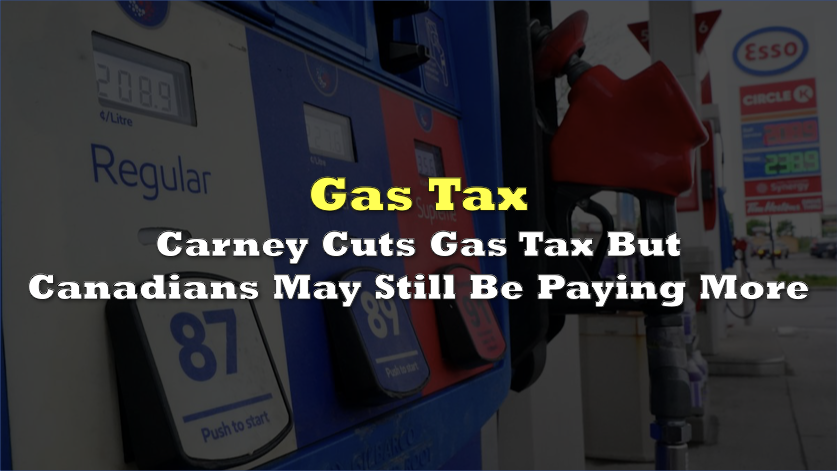

Prime Minister Mark Carney’s gas-tax break is real on paper, but the immediate savings for drivers may be far less visible than expected because the federal tax suspension begins just as more expensive summer gasoline arrives and crude markets lurch higher again.
Ottawa announced that it would suspend the full federal excise tax on gasoline and diesel from April 20 through September 7. The government said the measure would cut the price of regular gasoline by 10 cents per litre and diesel by 4 cents per litre, and estimated the five-month move would deliver more than $2.4 billion in relief in 2026.
However, the excise tax is embedded earlier in the supply chain and the suspension applies to fuel for which tax became payable after April 19, including product delivered by manufacturers, wholesalers, or importers after that date. That means the cut should pass through, but not every litre already moving through the system reprices at once.
 Sponsored · Selkirk Copper Mines
Former Liberal MP and president of Canadians for Affordable Energy Dan McTeague said the required move to summer fuel beginning April 15 typically adds about 10 cents per litre, while GasBuddy analyst Patrick De Haan said the tax cut may simply stop prices from rising further rather than produce a clearly visible decline.
The US Energy Information Administration says gasoline prices usually rise in spring and summer because demand increases and fuel specifications change seasonally. It notes summer gasoline must be less prone to evaporation in warmer weather, while industry groups say the summer blend is costlier to produce and can reduce gasoline yield per barrel.
Reuters reported in March that the Trump administration was considering relaxing summer gasoline rules because those blends are more expensive.
Oil is adding a second offset. Reuters reported that Brent crude rebounded to about $94.75 a barrel on April 20 after fears grew that the US-Iran ceasefire could collapse. This is on top of the Strait of Hormuz remaining at a near standstill on Monday, with only three vessel crossings in 12 hours.
Even if the gas tax break promises clean 10-cent step down, De Haan told Canadian media earlier in the week that even this reduction would not meaningfully change household affordability, while CityNews reported experts expect only limited near-term relief at the pump despite the federal cut.
The same logic applies even more sharply to diesel. Ottawa’s cut there is just 4 cents per litre, versus a fuel market that remains tied to disrupted global shipping, elevated crude, and tight freight economics. Carney framed the suspension as support not only for drivers but also for transportation, agriculture, construction, food, and delivery sectors. That may still prove true on operating costs, even if retail visibility is limited.
The result is a policy that is material in tax terms but uncertain in retail optics.
Information for this story was found via National Post and the sources and companies mentioned. The author has no securities or affiliations related to the organizations discussed. Not a recommendation to buy or sell. Always do additional research and consult a professional before purchasing a security. The author holds no licenses.