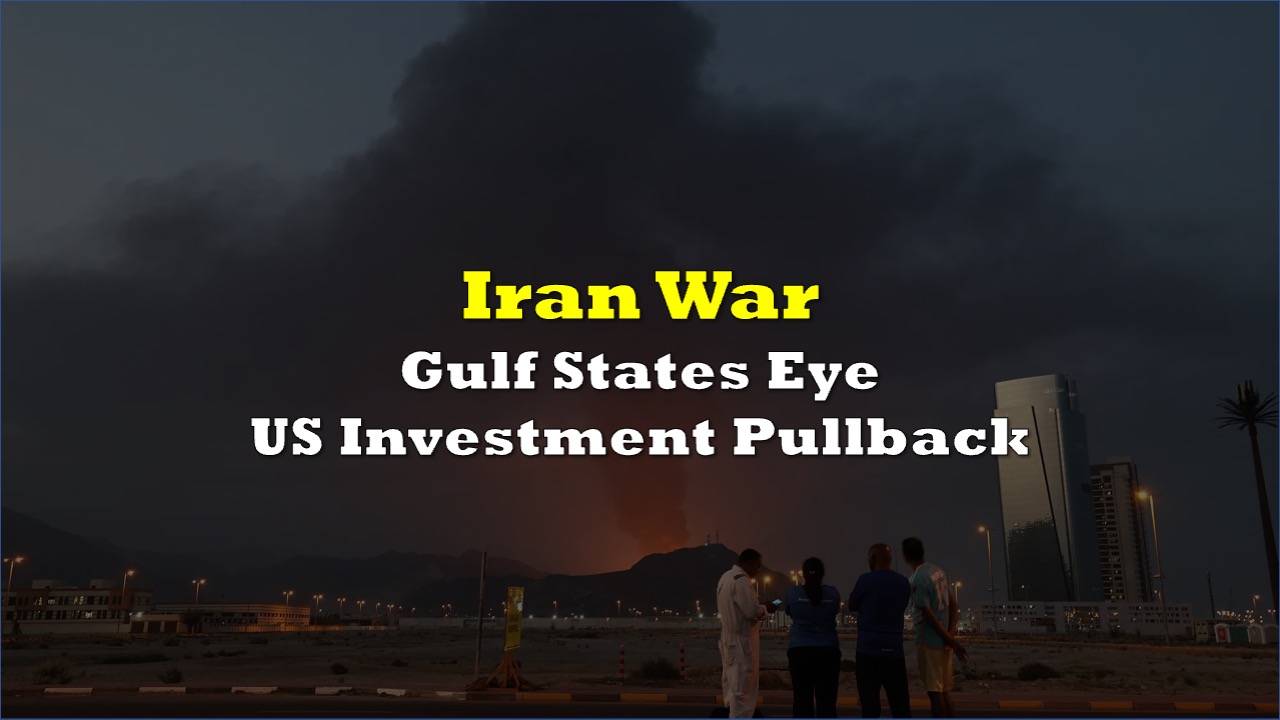

Saudi Arabia, the United Arab Emirates, Kuwait and Qatar are conducting internal reviews to determine whether they can invoke force majeure clauses in existing contracts with the US and pull back on future investment commitments, as the ongoing US-Israeli war against Iran batters their economies and infrastructure.
A Gulf official told the Financial Times that “a number of Gulf countries have begun an internal review to determine whether force majeure clauses can be invoked in current contracts, while also reviewing current and future investment commitments in order to alleviate some of the anticipated economic strain from the current war.”
The official added that the reviews extend to anything from pledged investments to sports sponsorships, and that the pressure would intensify if “the war and related expenses continue at the same pace.”
JUST IN: Saudi Arabia, the United Arab Emirates, Kuwait, and Qatar are discussing withdrawing from contracts with the U.S. and canceling future investment commitments in the U.S. to alleviate some of the economic strain imposed upon them by the Iran war
— Sulaiman Ahmed (@ShaykhSulaiman) March 6, 2026
THE END OF THE U.S EMPIRE pic.twitter.com/aBDdtPSISV
The move puts at risk hundreds of billions of dollars in US investment pledges the four nations made after President Donald Trump visited the region last year.
The US and Israel launched strikes on Iran on February 28, killing senior officials, including Supreme Leader Ali Khamenei. Iran retaliated by striking Gulf states hosting US military assets, hitting oil refineries, airports, ports and commercial areas across Saudi Arabia, the UAE, Kuwait, and Qatar.
The Gulf states condemned the attacks and have been actively defending against Iranian missiles and drones — but the economic toll has been severe.
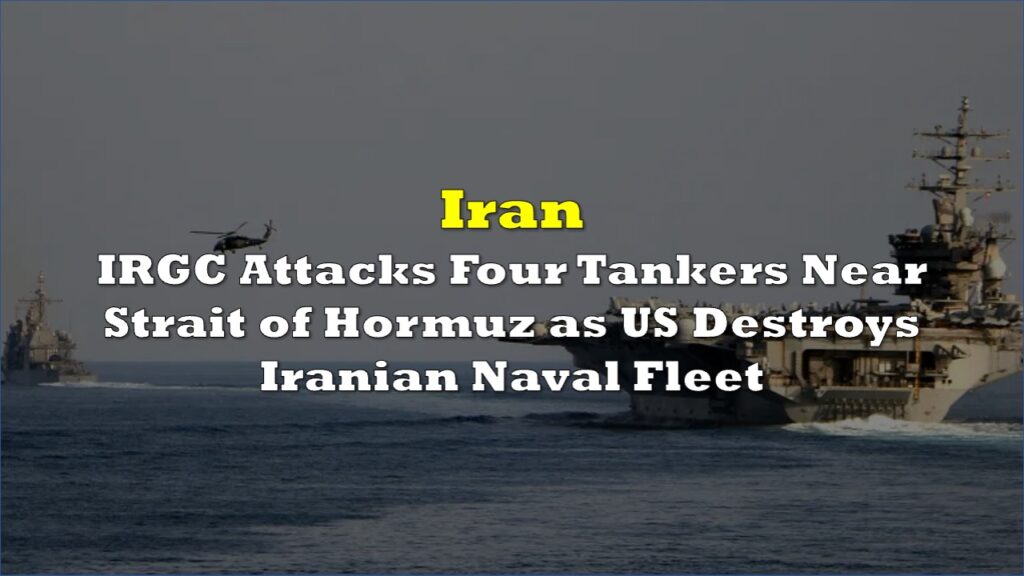
The Strait of Hormuz, through which roughly 30% of the world’s seaborne crude oil and nearly 20% of global LNG transit, has effectively shut to commercial traffic. Iranian strikes on Qatar’s Ras Laffan industrial facilities forced a suspension of LNG output, sending European natural gas prices up 66% in a single week. Stock exchanges in the UAE and Kuwait suspended trading, and over 70% of flights to the UAE, Qatar, and Bahrain were canceled.
The reviews signal a potential rupture in Gulf-US economic ties at a moment of deep frustration among regional leaders. UAE billionaire Khalaf Ahmad Al Habtoor, chairman of Al Habtoor Group, published an open letter on X on March 5 directly challenging Trump over the decision to go to war.
“Who gave you the authority to drag our region into a war with Iran?” Al Habtoor wrote, addressing Trump directly. “You have placed the countries of the Gulf Cooperation Council and the Arab countries at the heart of a danger they did not choose.”
سيادة الرئيس دونالد ترامب،
— Khalaf Ahmad Al Habtoor (@KhalafAlHabtoor) March 5, 2026
سؤال مباشر: من أعطاك القرار لزجّ منطقتنا في حرب مع #إيران؟ وعلى أي أساس اتخذت هذا القرار الخطير؟
هل حسبتَ الأضرار الجانبية قبل أن تضغط على الزناد؟ وهل فكّرت أن أول من سيتضرر من هذا التصعيد هي دول المنطقة!
من حق شعوب هذه المنطقة أن تسأل أيضاً: هل كان…
Al Habtoor also questioned the fate of Gulf money contributed to Trump’s Board of Peace initiative, announced in January 2026, to manage Gaza’s reconstruction and regional security. “Before the ink has dried on the Board of Peace initiative that you announced in the name of peace and stability, we find ourselves facing a military escalation that endangers the entire region,” he wrote.
The letter drew wide attention as a rare public expression of dissent in the UAE, where political criticism at this level is tightly controlled. Al Habtoor is not a government official, but analysts note his proximity to ruling circles makes the statement significant.
Analysts at the Carnegie Endowment for International Peace warn that the Gulf states’ long-term economic model — built on connectivity, tourism, and investment attraction — faces serious structural damage from the conflict, regardless of how military defenses perform in the short term.
Information for this story was found via the sources and companies mentioned. The author has no securities or affiliations related to the organizations discussed. Not a recommendation to buy or sell. Always do additional research and consult a professional before purchasing a security. The author holds no licenses.