
Europe’s energy strategy is shifting back toward nuclear as the EU tries to protect its green transition from war-driven supply fears, industrial competitiveness concerns, and a financing burden that will average €695 billion a year from 2031 over the following decade.
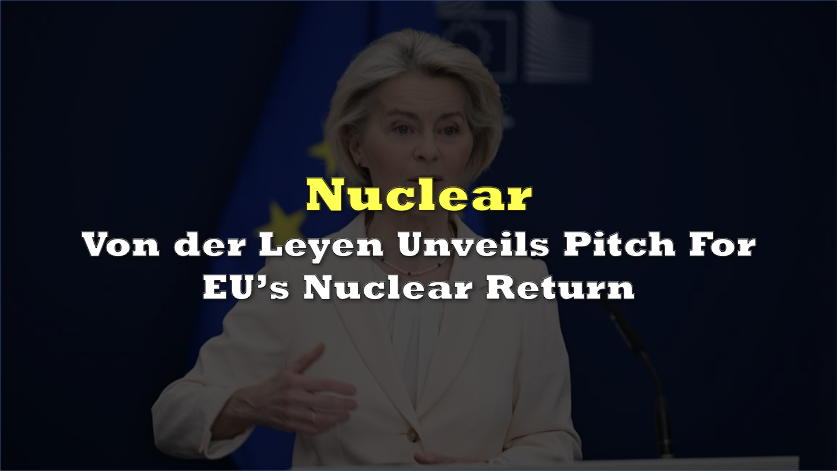
At a nuclear energy summit in Paris hosted by President Emmanuel Macron, European Commission President Ursula von der Leyen said renewables and nuclear must serve as “the joint guarantors of independence, security of supply, and competitiveness – if we get it right – now.”
Her intervention came even as President Donald Trump’s claim that the Iran war may end “very soon” helped send oil prices sharply lower.
Von der Leyen announced a €200 million guarantee designed to support private investment in innovative nuclear technology, with backing from the Emissions Trading System, the EU’s central carbon-pricing mechanism.
The much larger funding question sits inside the Commission’s broader clean energy agenda. Later in Strasbourg, the executive is due to present a clean energy investment package tied to a new investment fund meant to help mobilize the trillions of euros required for the bloc’s green transition over the next 15 years. According to a draft of the Clean Energy Investment Strategy, the annual investment requirement will reach €695 billion, equivalent to about $803 billion, across the decade beginning in 2031.
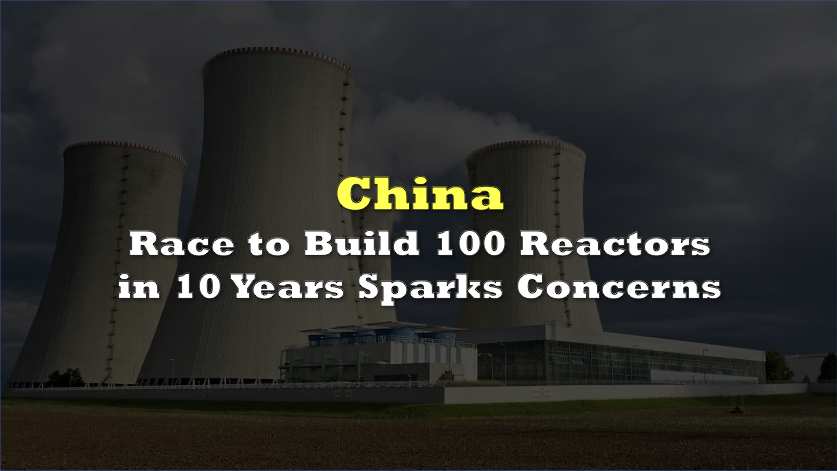
Nuclear now accounts for only 15% of Europe’s electricity generation, down from about one-third in 1990. Von der Leyen said Europe had “turn[ed] its back on a reliable, affordable source of low-emissions power” and described that retreat as a “strategic mistake.”
Von der Leyen served in former Chancellor Angela Merkel’s government when Berlin accelerated its nuclear phaseout after the 2011 Fukushima disaster. Coincidentally, Merkel was named earlier the same day among the first laureates of the European Parliament’s European Order of Merit.
Parts of European business have pushed back against what they see as excessive green regulation, and the ETS itself faces renewed scrutiny as it comes up for renewal this year. Among the critics is German Chancellor Friedrich Merz, putting fresh pressure on the policy architecture that Brussels is simultaneously using to underpin new nuclear guarantees.
Information for this story was found via Bloomberg and the sources and companies mentioned. The author has no securities or affiliations related to the organizations discussed. Not a recommendation to buy or sell. Always do additional research and consult a professional before purchasing a security. The author holds no licenses.