Hui Ka Yan’s life sentence closes the criminal case against Evergrande’s founder, but one of the largest financial claims stemming from the developer’s collapse now sits outside the company itself.
Evergrande’s Hong Kong liquidators are seeking 57 billion yuan, or about $8.4 billion, from PricewaterhouseCoopers entities over allegations that the auditor was negligent in its work for the property developer.
This is about 3.6 times the 15.82 billion yuan in combined fines imposed Thursday on Evergrande Group and its main property unit, Hengda Real Estate.
 Sponsored · Selkirk Copper Mines
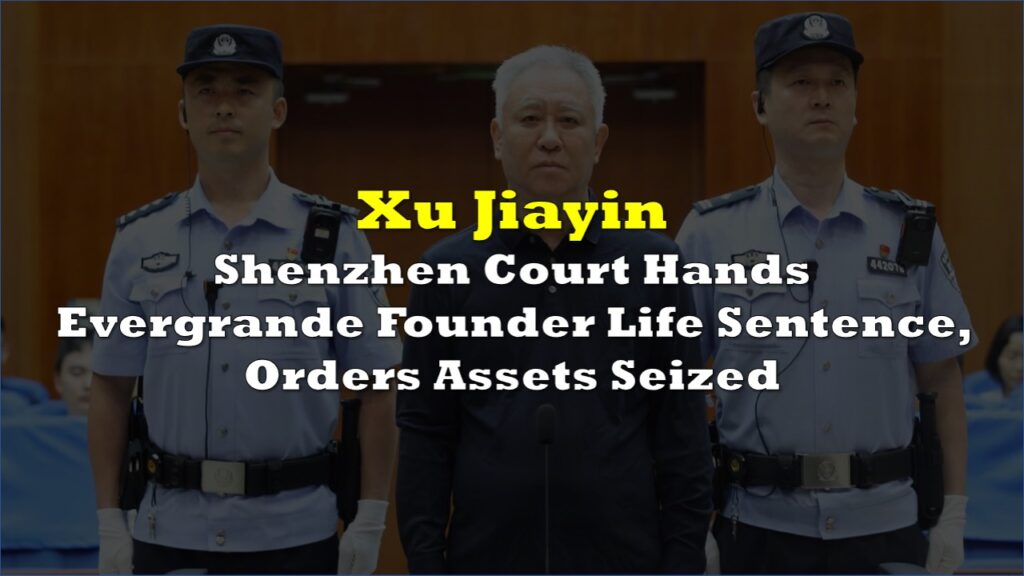
A Shenzhen court sentenced Hui to life imprisonment on Thursday and ordered all of his personal property confiscated. Hui had pleaded guilty in April to eight charges, including fundraising fraud, misuse of funds, fraudulent securities issuance, illegally taking public deposits, and bribery.
Evergrande was fined 8.82 billion yuan, while Hengda was fined another 7 billion yuan. Fifty-six other people connected to the group were also sentenced, according to Chinese state media cited by Reuters.
The penalties come as Evergrande’s offshore liquidation remains far from producing recoveries comparable with creditor claims.
Liquidators had received roughly $45 billion in claims but had sold only about $255 million of assets as of August 2025, according to figures previously disclosed by the liquidation team and reported by Reuters.
That makes the PwC litigation unusually consequential. The $8.4 billion sought from the accounting firms is roughly 33 times the value of assets the liquidators had sold by that point.
The liquidators allege PwC entities were negligent and made misrepresentations in connection with Evergrande’s audits. PwC International has argued that it should not be liable because its Hong Kong and mainland member firms are separate entities and that the international organization had no direct auditing relationship with Evergrande.
Chinese regulators have already sanctioned PwC’s mainland arm over its Evergrande work. Authorities fined the firm 441 million yuan and suspended it for six months after concluding it failed to properly challenge Evergrande’s inflated financial reporting.
Separately, Evergrande’s liquidators are pursuing about $6 billion from Hui, his former spouse, and former executives involving dividends and remuneration paid before the collapse.