Vancouver is adding Google’s artificial intelligence to a traffic network containing 966 signal records, but the city is not handing its intersections to Alphabet. The pilot uses Google Maps driving trends to recommend signal-timing changes, while municipal engineers retain authority over whether anything is implemented.
The pilot began July 17 and is scheduled to continue through the end of 2027 at no cost to the city, according to Daily Hive. The recommendations will remain advisory, leaving Vancouver responsible for evaluating potential effects on vehicles, pedestrians, cyclists, and transit users.
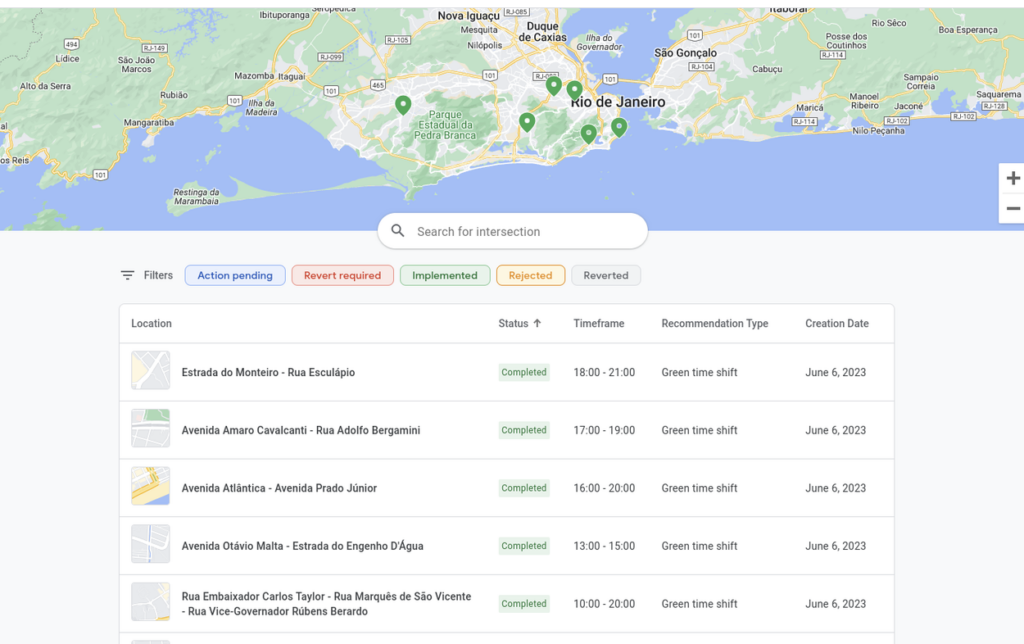
Google says Green Light reconstructs existing signal plans using aggregated driving patterns from Google Maps. Its models estimate cycle lengths, transition times, green-time allocation, coordination between adjacent intersections, and how those settings change throughout the day.
 Sponsored · Selkirk Copper Mines
The system then presents suggested adjustments through a dashboard. City engineers can approve or reject each recommendation and apply accepted changes through their existing traffic-control equipment. Google says some adjustments can be implemented in as little as five minutes and require no additional roadside hardware.
The service remains free to participating municipalities while Green Light is in its research phase, according to Google’s project page.
Vancouver already operates a centrally connected signal network. The city says each signal has an on-site controller that communicates with a central computer at City Hall, allowing timing plans to be adjusted by time of day, day of the week, or for events.
Its open-data API currently returns 966 traffic-signal records, although Vancouver has not disclosed how many will be assessed or changed under the Google pilot.
Google says early deployments indicate Green Light can reduce vehicle stops by up to 30% and intersection emissions by up to 10%. Those figures are company estimates based on traffic patterns measured before and after changes made during tests in 2022 and 2023.
Quebec City became Green Light’s first Canadian municipality in 2025 and had used the system to optimize 13 intersections by the time Google announced the deployment. Google reported the same potential reductions of 30% in stops and 10% in estimated carbon dioxide emissions, but did not publish a city-specific financial benefit.