
For President Donald Trump, Qatar’s new defence pact with Turkey raises a question about the reach of Washington’s own security promise to Doha: does a US guarantee remain the centre of Gulf defence when American partners are formalizing additional obligations among themselves?
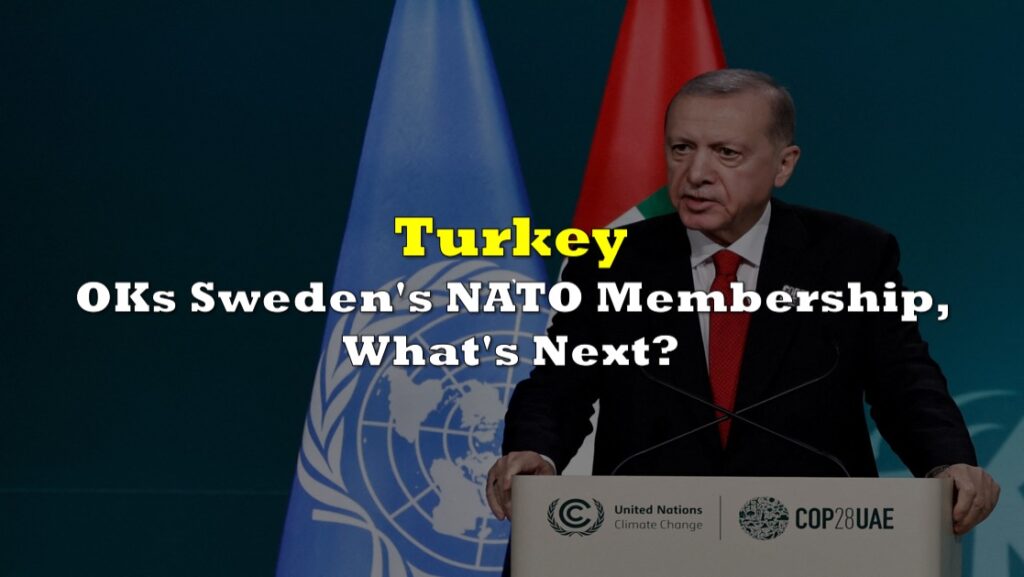
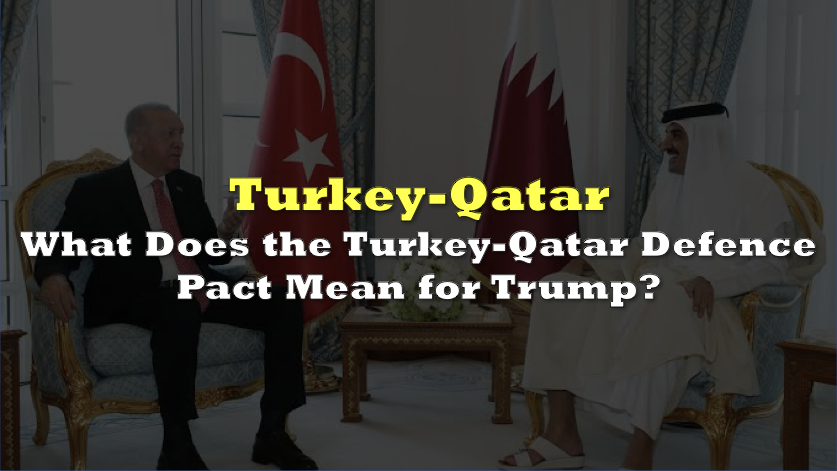
Turkish President Recep Tayyip Erdoğan and Qatari Emir Sheikh Tamim bin Hamad Al Thani signed a mutual defence agreement in Istanbul on Friday, Reuters reported, citing the Turkish presidency.
Neither the operative terms nor any commitment to intervene in an attack was made public.
 Sponsored · Selkirk Copper Mines
This contrasts with Trump’s earlier pledge on providing US protection. On September 29, 2025, he issued Executive Order 14353, directing Washington to treat armed attacks on Qatar’s territory, sovereignty, or critical infrastructure as threats to US peace and security.
The order calls for “all lawful and appropriate measures” to respond, including diplomatic and economic action and military force if necessary. It also requires joint contingency planning.
But it is an executive order rather than a ratified mutual-defence treaty, and it does not require an automatic American military deployment.
That distinction became concrete in March 2026. Iranian missiles hit Qatar’s Ras Laffan gas complex, despite the existing US assurance. QatarEnergy said the strikes damaged two of its 14 liquefied natural gas trains, removing 17% of export capacity.
 Sponsored · Silver47 Exploration Inc.
It projected about US$20 billion in annual lost revenue and repairs lasting three to five years.
Trump responded publicly by threatening strikes on Iran’s South Pars gas field if Qatar was attacked again. The incidents showed that an explicit US security commitment and substantial American military presence do not make Qatari infrastructure immune to attack.
The new agreement does not establish that Qatar is rejecting US protection. American forces operate from Al Udeid Air Base, where US Central Command opened a multinational air-and-missile-defence coordination cell in January 2026. Turkish forces also had deployment arrangements with Doha long before Friday’s signing.
Trump’s own order instructs US officials to coordinate with allies on complementary security support. In October, he welcomed Turkish and Pakistani military assistance to Saudi Arabia under a separate collective-defence pact, saying, “I think that’s great.”
The earlier Turkish-Saudi-Pakistani agreement explicitly treats an attack on one member as an attack on all three. Reuters said the new Qatar pact’s wording was not disclosed.
No publicly verified US response establishes whether Washington views the new agreement as reinforcement or competition.
What remains undisclosed is consequential: who must respond if Qatar is attacked again, under what conditions, and how Turkish obligations would intersect with Washington’s existing defence plans.