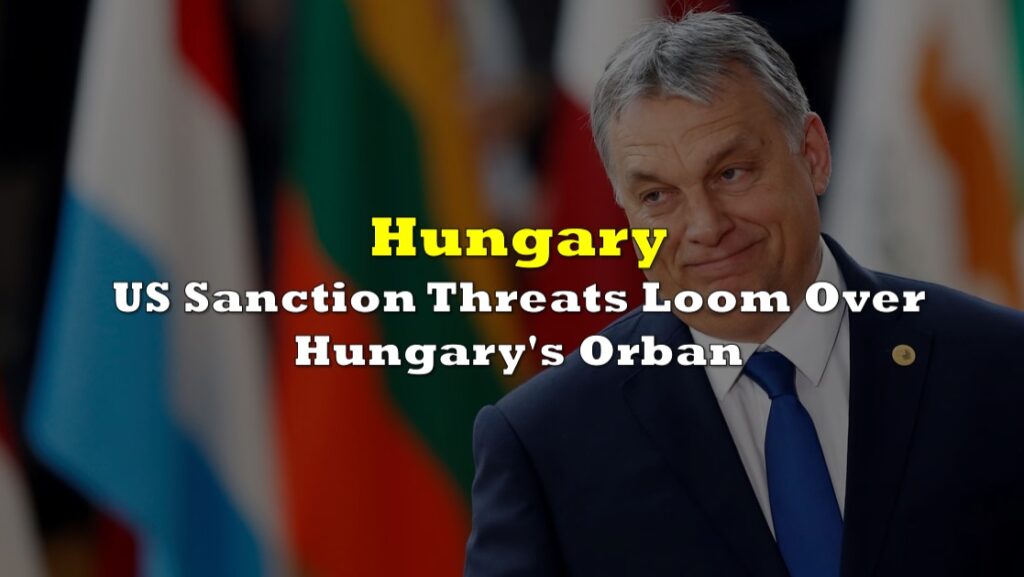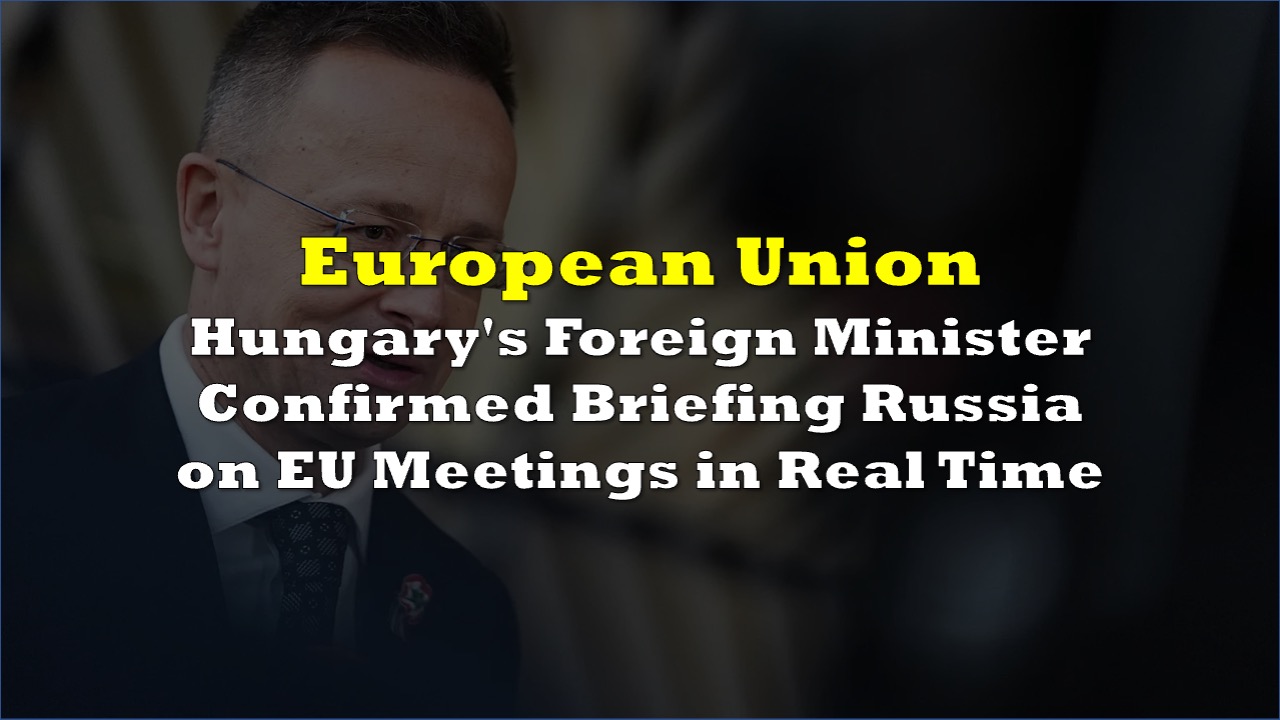

Hungarian Foreign Minister Péter Szijjártó confirmed this week that he regularly briefed his Russian counterpart Sergey Lavrov on the contents of European Union meetings, setting off a diplomatic crisis across the bloc and deepening Hungary’s already strained relations with fellow member states.
The Washington Post first reported the backchannel Saturday, citing current and former European security officials who said Szijjártó called Lavrov during breaks in EU Foreign Affairs Council meetings to relay what had been discussed and signal possible policy directions. One unnamed European official told the paper that through those calls, Moscow was “essentially at the negotiating table” at every EU meeting for years.
Instead of spreading lies and fake news, come to Budapest to support the opposition! Last time it worked… for us… https://t.co/SKg1Hfi1ud
— Péter Szijjártó (@FM_Szijjarto) March 22, 2026
Szijjártó initially dismissed the report as “fake news and lies,” but reversed course the same evening during an election rally in Keszthely, confirming the calls while defending them as routine diplomatic contact. He argued that interministerial meetings do not cover classified matters and that most EU ministers bring their phones into meeting rooms anyway.
Prime Minister Viktor Orbán responded by ordering an investigation into the alleged wiretapping of his foreign minister, claiming evidence exists of who may be behind it. He offered no further details.
Polish Prime Minister Donald Tusk called the admission a disgrace and said it came as no surprise. “We have had this suspicion for a long time,” Tusk wrote on X. “This is one of the reasons why I only speak when it is absolutely necessary.”
Tusk also revealed that Lithuania had requested Hungary’s exclusion from a NATO meeting as far back as 2019 over fears the delegation would pass classified information to Moscow.
The European Commission described the Washington Post’s initial reporting as “extremely worrying” and called on Budapest to provide immediate clarification. Commission spokesperson Anitta Hipper said “a relationship of trust between member states and between the institution is fundamental for the work of the EU.” EU High Representative Kaja Kallas is scheduled to speak directly with Szijjártó.
Five unnamed EU diplomats told Politico that EU partners have already excluded Hungary from sensitive discussions within the bloc, and that European diplomacy has increasingly shifted to smaller formats — including the E3, E4, Weimar Conference, and others — partly to limit Budapest’s access to confidential deliberations.
Péter Magyar, the opposition Tisza party leader and Orbán’s chief challenger ahead of Hungary’s April 12 parliamentary elections, called for a treason investigation, warning that the conduct could carry penalties including life imprisonment under Hungarian law. Polls show Tisza leading Fidesz by 14 percentage points.
Based on current information, @FM_Szijjarto appears to be colluding with Russia, thereby betraying Hungarian and European interests. If confirmed, this would amount to treason, which carries a potential life sentence. A future TISZA government will immediately investigate the…
— Magyar Péter (Ne féljetek) (@magyarpeterMP) March 23, 2026
The Washington Post’s report forms part of a broader investigation into alleged Russian efforts to support Orbán before the election. The paper also obtained and authenticated — through a European intelligence service — an internal document from Russia’s SVR foreign intelligence service proposing a staged fake assassination attempt on Orbán, intended to shift voter focus from economic discontent toward security and stability.
Szijjártó has made 16 official visits to Moscow since Russia’s full-scale invasion of Ukraine in February 2022, including a meeting with President Vladimir Putin on March 4. Orbán has also blocked a €90 billion EU loan package to Ukraine, drawing sharp criticism from other member states.
Moscow has not publicly commented on the leaks. Kremlin spokesman Dmitry Peskov called the SVR document “another example of disinformation.”
Information for this story was found via the sources and companies mentioned. The author has no securities or affiliations related to the organizations discussed. Not a recommendation to buy or sell. Always do additional research and consult a professional before purchasing a security. The author holds no licenses.