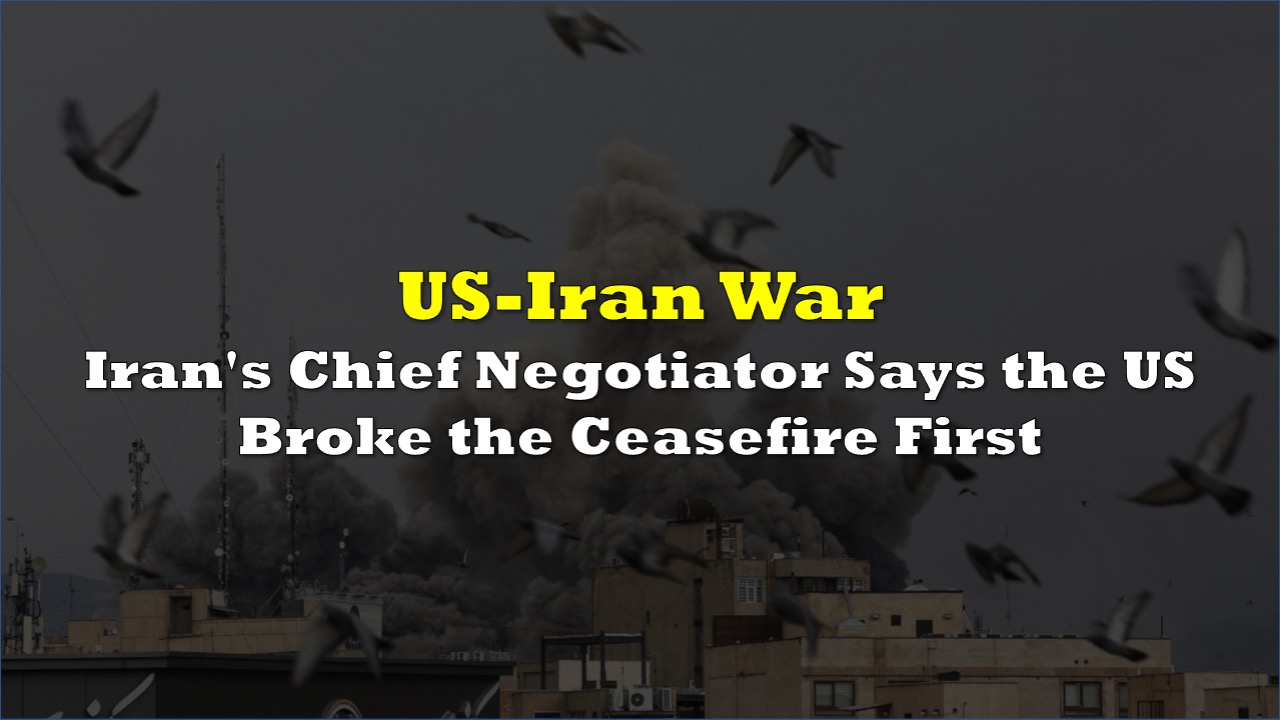

Iran’s top negotiator says Washington, not Tehran, broke the ceasefire first.
Parliament Speaker Mohammad Bagher Ghalibaf, who led Iran’s delegation in the talks that produced last month’s memorandum of understanding, laid out a list of what he called major US violations of the deal.
He cited interference with “Iranian adjustments” in the Strait of Hormuz, persistent threats of further strikes, the reinstated oil sanctions, attacks on southern Iran, and continued Israeli strikes on Lebanon.
“The era of bullying and extortion is over,” he wrote. “It leads nowhere. We don’t fold.”
 Sponsored · Altamira Gold Corp.
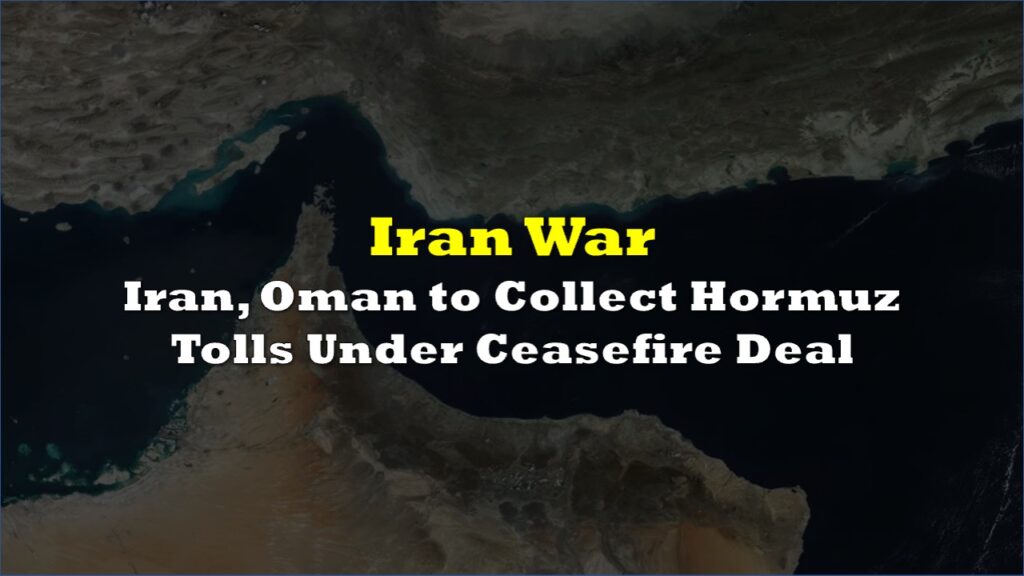
Iran maintains that the ceasefire memorandum implicitly recognizes Iranian authority over the strait, not just a temporary toll-free window. He told Iranian state television in late June that “passing through the Strait is free of charge only for 60 days” and that “Iran will not give up its rights in the Strait of Hormuz under any circumstances.”
A separate Iranian official said ships should pay “maritime service fees” to the Islamic Republic going forward, a claim the US has rejected outright, insisting on unobstructed passage as a baseline condition of the deal.
Three commercial tankers were struck in the strait, an attack the US and several flag-state governments attributed to Iran. Washington carried out retaliatory strikes it said targeted Iranian air defenses, radar sites, and small boats to degrade Iran’s ability to threaten shipping.
Read: Iran-US Ceasefire Strained Again After Tanker Attacks and US Retaliation
Ghalibaf answered with his sharpest statement yet. “America still has not learned that bullying and breaking its commitments no longer come without consequences,” he said. “Let me be clear: If you strike, you will be struck. Stop making futile moves that will only cause you to sink deeper. The Strait of Hormuz will remain open only through Iranian arrangements, not through American threats.”
Majid Shakeri, who advises Ghalibaf on the strait negotiations, said on state television that Oman must guarantee its territorial waters won’t be used against Iran, verifiable only through Iranian inspections.
“Either we hold on to this strait, or we go and become martyrs for it one by one,” he said.
Ghalibaf is also the same official who signed the original memorandum on Iran’s behalf and has spent recent weeks trying to build domestic political support for it against hardline critics who opposed negotiating with Washington at all.
Framing the US as the violator also serves Ghalibaf at home, letting him show hardline critics who opposed negotiating with Washington in the first place that he hasn’t gone soft. Talks remain paused for the state funeral of former Supreme Leader Ali Khamenei, and it’s unclear whether they’ll resume once mourning ends.