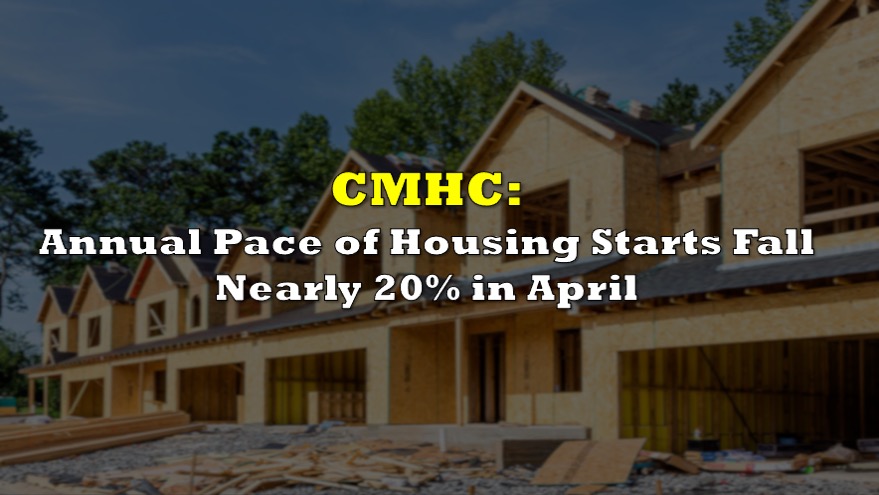

Canada is confronting an escalating housing crisis.
It’s not just statistics; the evidence is overwhelming— from the distressing surge in homelessness and rising demand at food banks, to the tangible strain it’s placing on both renters and homeowners. Young Canadians, in particular, are finding it increasingly difficult to make ends meet under mounting housing costs.
Amidst this scenario, the construction of new purpose-built rental housing by the private sector is at a standstill. The culprits? Rising interest rates, prolonged approval processes, and ballooning construction costs.

The National Housing Account: A Multi-Sector Approach to Ending Canada’s Rental Housing Crisis
Yet, this crisis brings a stark revelation, as highlighted by experts at the forefront of Canada’s housing initiatives— Dr. Mike P. Moffatt, Tim Richter, and Michael Brooks: the commitment Canada made to ensure every citizen’s right to housing is far from fruition without serious and significant investment in the housing sector.
 Sponsored · Selkirk Copper Mines
To put things in perspective, the Canada Mortgage and Housing Corporation (CMHC) projects a requirement of 5.8 million new housing units by 2031; of this staggering figure, 2 million units need to be slated for just rentals. But the past track record is not promising: over three decades, Canada has managed only 570,000 rental units.
Financially, the challenge is daunting. With the cost per house estimated around $360,000, and over 5 million homes needed, Canada is looking at a challenge exceeding $1 trillion. Making this more dire, though, is that such a financial hurdle is too colossal for the federal government to overcome single-handedly, especially when considering it is projecting 2023-2024 revenue to only hit $457 billion.
Recognizing the magnitude of the issue, a summit in Ottawa was orchestrated, involving key stakeholders spanning the private sector, academia, non-profit organizations, and investors. The outcome? “The National Housing Accord: A Multi-Sector Approach to Ending Canada’s Rental Housing Crisis”, which lays out a ten-point roadmap for the federal government covering a multitude of strategies including expediting construction and reforming the fiscal dynamics of Canada’s housing market, to innovating construction techniques and overhauling existing approval protocols.
As Moffatt, Richter, and Brooks point out, Canada needs to adopt a cohesive industrial strategy for housing, which means integrating workforce and immigration strategies to meet the ambitious targets of the National Housing Strategy (NHS) and offset labour shortages, or doubling the percentage of social and community housing. Such steps would bring Canada at par with the OECD average, making housing more affordable for many.

The National Housing Account: A Multi-Sector Approach to Ending Canada’s Rental Housing Crisis
To really make a dent, innovations like modular housing and mass timber construction must be embraced, while introducing fiscal tools to rejuvenate the for-profit rental market. Examples include tweaking the federal tax system to inspire investment and taking cues from US tax credit models to stimulate housing construction.
Information for this story was found via The Star and the sources mentioned. The author has no securities or affiliations related to the organizations discussed. Not a recommendation to buy or sell. Always do additional research and consult a professional before purchasing a security. The author holds no licenses.