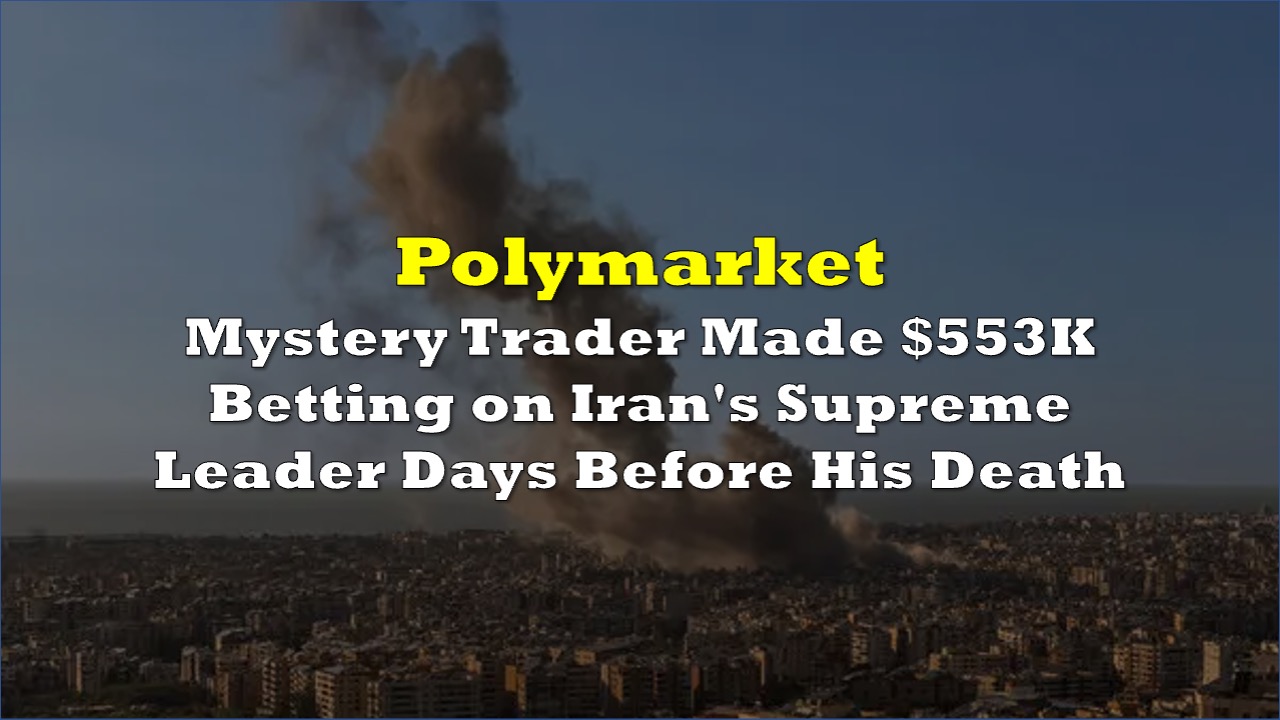

An anonymous Polymarket account called “Magamyman” collected more than $553,000 by betting that Iran’s Supreme Leader, Ayatollah Ali Khamenei, would be removed from power — a wager placed just before a joint US-Israeli airstrike killed him on February 28.
The account did not stop there. Magamyman also staked roughly $87,000 on a separate contract predicting the US would strike Iran by the end of February 28 — a bet placed 71 minutes before the bombing campaign went public, when the platform had the probability of a strike at just 17%. That position returned more than $515,000.
Israeli police have opened an investigation into whether the account belongs to someone with access to classified military intelligence. Investigators noted this was not Magamyman’s first suspicious call: the account correctly predicted that Israel would strike Iran on October 26, 2024 — an attack that Israeli security sources say the government approved only days earlier.
Magamyman was not the only one. Blockchain analytics firm Bubblemaps identified six newly created wallets that collectively made $1.2 million betting on a US strike before February 28. Most of the wallets were funded within the final 24 hours before the strike and placed their positions just hours before bombs fell. Bubblemaps CEO Nicolas Vaiman said the spread of information “involving war or conflict,” combined with Polymarket’s anonymity, “can create incentives for informed participants to act early.”
The trades landed on a platform already conducting enormous volume. More than $529 million moved through Polymarket contracts tied to the timing and outcome of the Iran campaign, making it one of the largest political betting events in the platform’s history.
Friends in high places
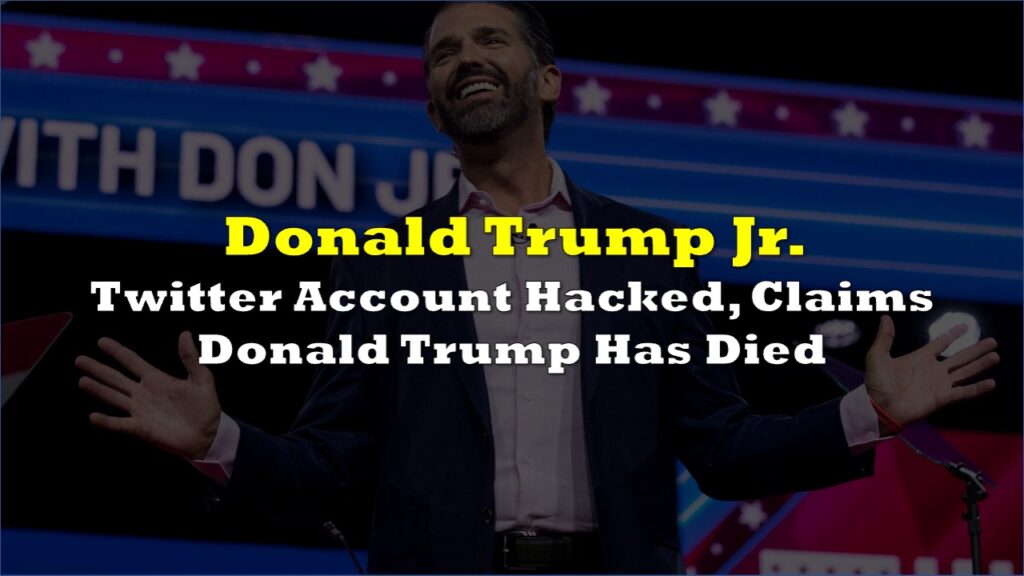
Donald Trump Jr. sits on Polymarket’s advisory board, and his venture capital firm, 1789 Capital, invested double-digit millions into the platform last year. Shortly after President Trump took office, the administration dropped two active federal investigations into Polymarket — one from the Department of Justice, another from the Commodity Futures Trading Commission — and later granted the platform approval to launch a US-based exchange.
Rep. Mike Levin (D-Calif.) drew a direct line between those facts. “Prediction markets cannot be a vehicle for profiting off advance knowledge of military action,” Levin wrote on X. “We need answers, transparency, and oversight.”
It appears that a Polymarket account called "Magamyman" made $515,000 in a single day betting on last night's U.S. strike on Iran, with the first trade placed 71 minutes before the news broke publicly.
— Mike Levin (@MikeLevin) March 1, 2026
When this person bought in, the market had this at a 17% probability. They… pic.twitter.com/giM7WfTjys
Sen. Chris Murphy (D-Conn.) was more blunt. “It’s insane this is legal,” he wrote. “People around Trump are profiting off war and death. I’m introducing legislation ASAP to ban this.”
It’s insane this is legal. People around Trump are profiting off war and death. I’m introducing legislation ASAP to ban this. https://t.co/iC0uPpaWC5
— Chris Murphy 🟧 (@ChrisMurphyCT) March 1, 2026
The White House denied that anyone in Trump’s orbit placed the winning bets. Polymarket, for its part, defended its model.
“The promise of prediction markets is to harness the wisdom of the crowd to create accurate, unbiased forecasts for the most important events to society,” the company said in a statement posted to its website on March 1.
A pattern broader than one account
The Magamyman trades follow a series of eerily timed bets that have drawn scrutiny to the platform over recent months.
In January, an anonymous account made hundreds of thousands of dollars on a suspiciously well-timed wager just before US forces captured Venezuelan President Nicolás Maduro. The following month, Israeli authorities charged two soldiers with using classified military intelligence to place Polymarket bets during the 12-day Israel-Iran conflict last June — the first publicly known criminal prosecution tied to insider trading on a prediction market.
Polymarket’s overseas operations fall outside the jurisdiction of US regulators. Under the domestic commodity trading law, contracts that pay out based on death or acts of war are illegal, on the grounds that they create financial incentives tied to violence and human suffering.
That distinction shaped the contrasting response from Kalshi, a US-regulated competitor that also hosted a market on Khamenei’s removal. After his death was confirmed, Kalshi refused to pay out, issuing partial refunds instead, citing a “death carveout” in its rules. Traders reacted with outrage.
On February 23, six Democratic senators — led by Sen. Adam Schiff of California — sent a letter to CFTC Chairman Michael Selig calling on the agency to “categorically prohibit any contract that resolves upon or closely correlates to an individual’s death.” The senators set a March 9 deadline for the CFTC to respond.
Information for this story was found via the sources and companies mentioned. The author has no securities or affiliations related to the organizations discussed. Not a recommendation to buy or sell. Always do additional research and consult a professional before purchasing a security. The author holds no licenses.