
A Turkish floating power plant has docked in Havana, bringing emergency power to a capital that went dark three times in March alone — the latest challenge to a US energy blockade pushing Cuba toward its worst crisis since the Cold War.
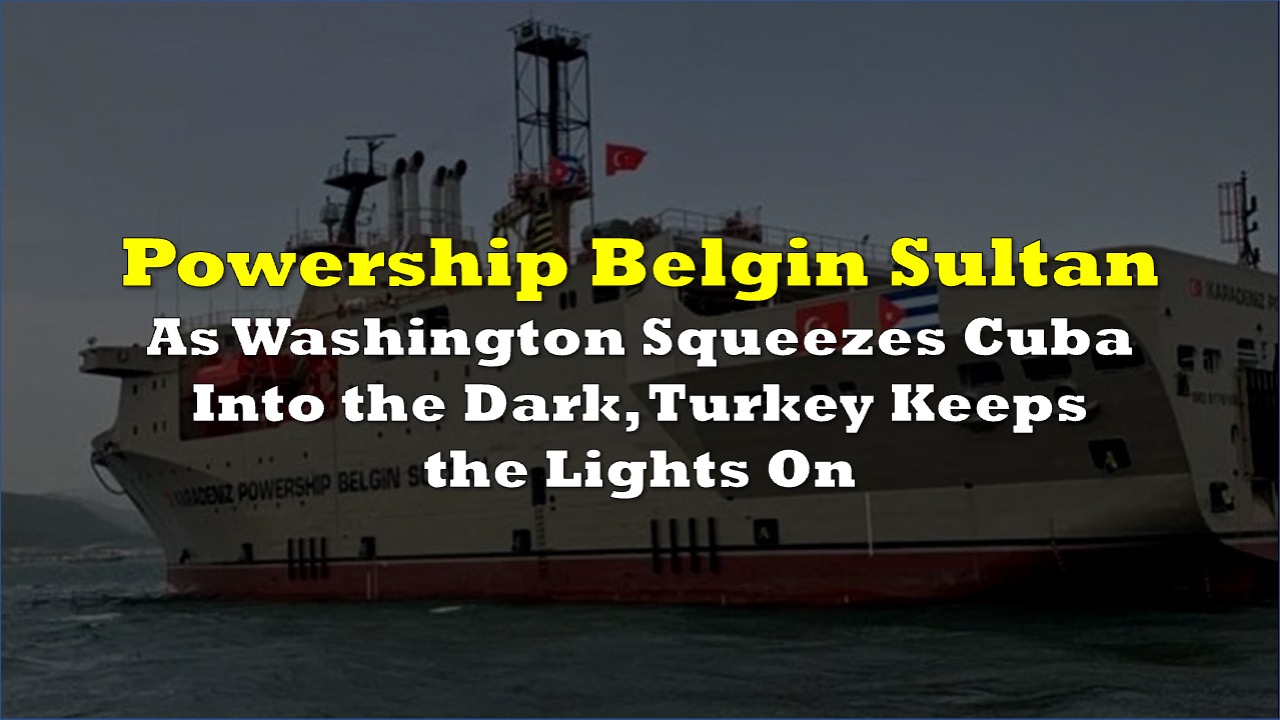
The Belgin Sultan, operated by Karpowership, arrived at Havana Port on April 12 and connected to the existing grid infrastructure within hours of docking. It joins two other Turkish powerships already in the capital — Süheyla Sultan and Erol Bey — bringing Turkey’s total contribution to roughly 25% of Cuba’s electricity supply. Washington has said nothing about the deployment.
In January 2026, Trump ousted Venezuelan President Nicolás Maduro in a military operation, severing Cuba’s primary oil lifeline. The US then imposed what analysts called the first effective blockade of the island since the Cuban Missile Crisis, threatening tariffs on any country that defied it — including Mexico’s state-owned Pemex.
 Sponsored · Selkirk Copper Mines
In March, Cuba’s grid collapsed three times, the worst on March 16, when more than 10 million people lost power. Cuba’s domestic plants average over 40 years in service and operate at around 34% efficiency. “I think Cuba is seeing the end,” Trump told reporters that day, adding he believed he would have the “honor” of “taking” the country.
Read: Cuba’s Power Grid Collapses as Trump Threatens to ‘Take’ the Island
On March 30, a Russian tanker delivered 100,000 tons of crude to Matanzas despite US Treasury orders explicitly banning Russian crude deliveries to Cuba. Trump said he had “no problem” with it. A second Russian shipment remains en route.
Read: US Permits Russian Oil Shipment to Cuba Amid Global Energy Crisis
The Belgin Sultan’s return is enabled by that fuel. Karpowership pulled its vessels from Cuba in May 2025 after Havana failed to cover operating costs estimated at up to $172,800 per day. The company has operated in Cuba since 2019, at one point running eight vessels simultaneously. The Belgin Sultan alone generates up to 76 megawatts.
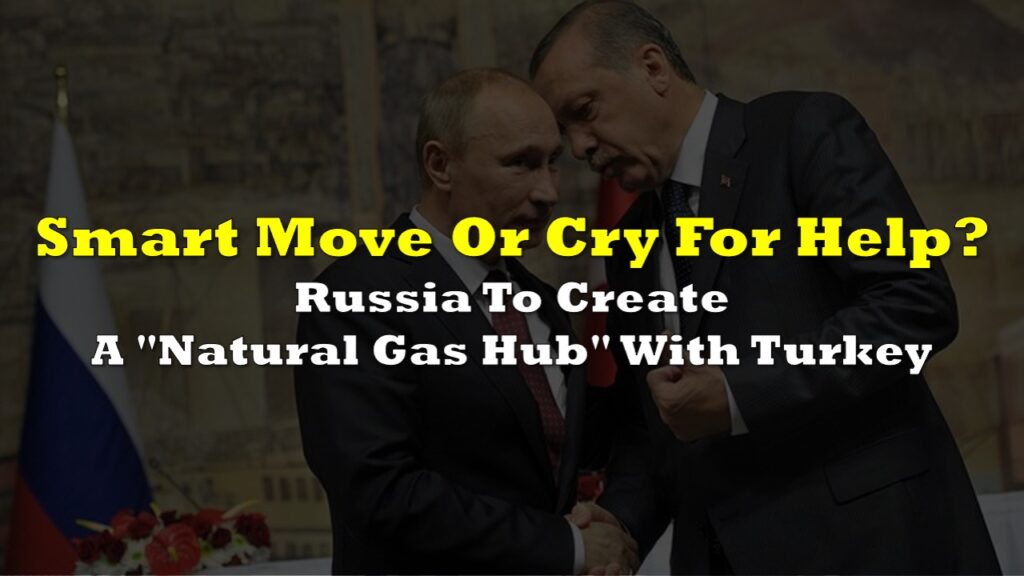
Turkey has not faced sanctions over its Cuba business — a sharp contrast to the pressure Washington applied to Mexico and Venezuela. As a NATO ally, Turkey under Erdoğan has maintained economic ties with Russia despite alliance membership and played mediator in the Ukraine war. The Trump administration has not publicly addressed the powerships.
US lawmakers visiting Cuba in early April called the situation an “economic bombing.” Rep. Jonathan Jackson compared the blockade to the Strait of Hormuz closure, calling Cuba “the most sanctioned part of Earth.” The UN Secretary-General warned the humanitarian situation would “worsen, or even collapse” without fuel, with hospitals, water systems, and food supply chains already disrupted.
Cuba released over 2,000 prisoners on April 3 — a move analysts read as a gesture toward Washington. Trump claimed in January that the US was talking with “the highest people in Cuba,” though independent reporting found no high-level negotiations underway.
Information for this story was found via the sources and companies mentioned. The author has no securities or affiliations related to the organizations discussed. Not a recommendation to buy or sell. Always do additional research and consult a professional before purchasing a security. The author holds no licenses.