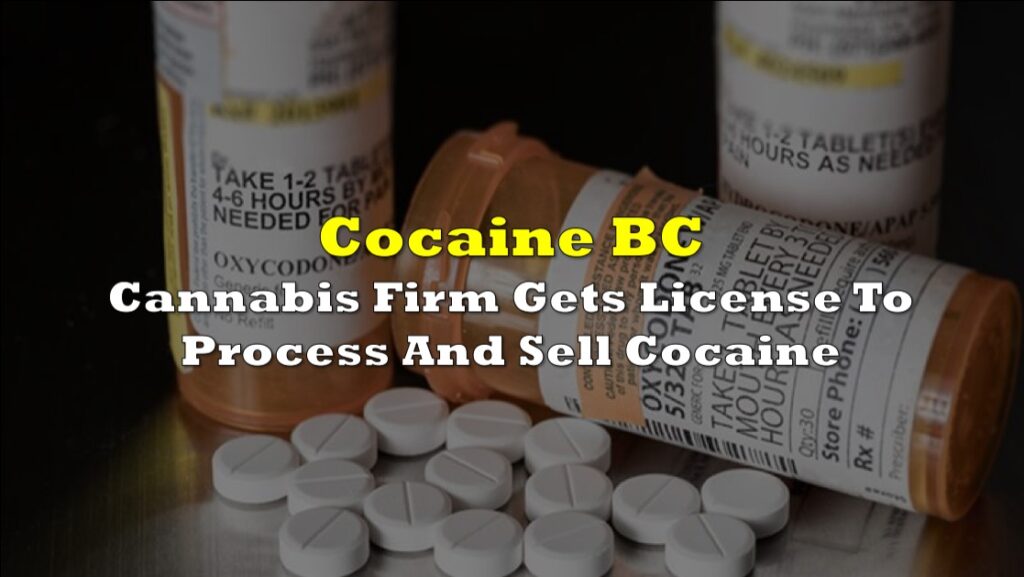
The federal government has approved British Columbia’s request to modify its drug decriminalization policy, making illicit drug use in public spaces illegal once again.
The announcement, made by Federal Addictions Minister Ya’ara Saks, comes after growing concerns from municipalities, law enforcement, health sector workers, and community members about the increase in public drug use since the original exemption took effect in January 2023.
Related: BC Becomes The First Province To Decriminalize Drugs
 Sponsored · Selkirk Copper Mines
Under the amended policy, police will have the authority to intervene when they witness illicit drug use in public spaces, including hospitals, transit, and parks. However, the exemption will continue to apply in private residences, designated healthcare clinics, lawful shelters, and overdose prevention and drug-checking sites.
Harm-reduction advocates have criticized the decision, arguing that it undermines the purpose of decriminalization and may drive drug users back into unsafe situations where they are more likely to experience fatal overdoses.
Despite these concerns, Premier David Eby and BC Public Safety Minister Mike Farnworth maintain that the amendments are necessary to address public safety issues while still treating the drug crisis as a health issue rather than a criminal one.
Police departments in British Columbia have been informed of the changes, which are effective immediately. In the coming days, the province will provide guidelines to police, stating that arrests for simple possession of illicit drugs should only occur in “exceptional circumstances.”
When responding to complaints about illegal and dangerous drug use, police will first ask the individual to leave and will only seize drugs or make an arrest if the person does not comply.
The original exemption, granted on January 31, 2023, allowed adults in British Columbia to possess small amounts of opioids, cocaine, methamphetamine, and MDMA for personal use without facing arrest or charges.
Initially planned to run until January 31, 2026, the pilot project aimed to reduce stigma, minimize substance use harms, and increase access to health and social services for people who use drugs in the province.
Information for this story was found via the sources and companies mentioned. The author has no securities or affiliations related to the organizations discussed. Not a recommendation to buy or sell. Always do additional research and consult a professional before purchasing a security. The author holds no licenses.