As the capacity of hotels to house asylum seekers reaches a critical point, the Canadian government is contemplating purchasing hotels to provide more stable and cost-effective accommodations for refugees. Immigration Minister Marc Miller has highlighted the escalating pressure on current housing solutions, necessitating a sustainable approach to managing the influx of asylum seekers.
Data from November 22, 2023, reveals high occupancy rates across various cities in Ontario, with some reaching near or full capacity. For instance, Quebec reports 94% occupancy, Niagara Falls 95%, and Kingston at an overwhelming 99%. The total number of rooms leased across Ontario stands at 2,279, with 4,527 claimants currently on-site.
The financial burden of accommodating asylum seekers is significant. The projected cost for the Interim Lodging Solution (ILS) program stands at $557 million, with hotels alone accounting for $232.9 million. Additional expenses include $204.6 million for ancillary costs such as meals, $31.5 million for security, and $85 million for various services. The average cost per room, considering double occupancy, is approximately $366.24 per day.
 Sponsored · Cambria Gold Mines
In response to the growing need, Miller outlined several measures, including the possibility of purchasing hotels to convert them into permanent accommodations for asylum seekers. This approach aims to reduce the recurring costs associated with leasing hotel rooms and provide a more integrated support system for refugees.
“These numbers aren’t going down drastically anytime soon,” Miller stated in a recent interview, emphasizing the need for long-term solutions. One model under consideration involves staffing these converted hotels with federal and provincial officials to offer front-line services directly on-site.
In Quebec, the federal government has been actively transferring asylum seekers from the province to other provinces to alleviate the pressure on Quebec’s resources. Since April 2020, approximately 40,277 asylum claimants have been accommodated in Quebec’s temporary lodging sites, with significant transfers to Ontario and Atlantic provinces.
Local communities, particularly in major cities like Toronto and Montreal, have also expressed concerns over the strain on their resources. To address this, the federal government has allocated $1.1 billion over the next three years to support municipalities and provinces in housing asylum seekers. This funding, part of the Interim Housing Assistance Program, is designed to prevent homelessness among refugee claimants.
Prime Minister Justin Trudeau recently pledged an additional $750 million to Quebec, acknowledging the province’s challenges in handling the influx of asylum seekers. This funding aims to support housing, education, and healthcare services strained by the increased demand.
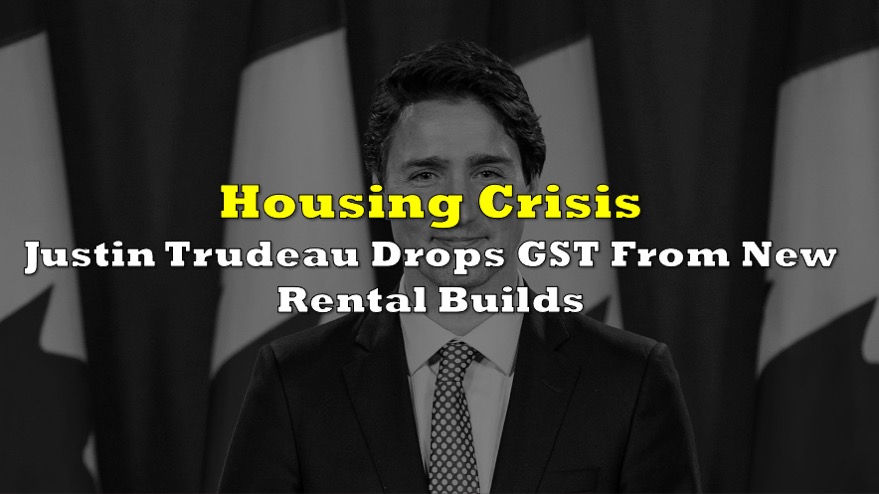
The move comes amid soaring rental prices across Canada. The average rental price in Canada exceeded $2,200 for the first time, reaching a record high, according to the latest Rentals.ca Rent report. The average monthly asking price for all residential rentals rose by 9.3% year-over-year to $2,202 in May.
Provincially, British Columbia had the highest average rental asking price at $2,526 for an apartment or condo, representing a 2.3% increase. Ontario followed with an average rental price of $2,423, a 0.7% rise. The nationwide surge in rental prices was largely driven by significant annual increases in Saskatchewan (up 21.4% to $1,334), Alberta (up 17.5% to $1,787), and Nova Scotia (up 17.1% to $2,238).
Information for this briefing was found via The Globe And Mail and the sources mentioned. The author has no securities or affiliations related to this organization. Not a recommendation to buy or sell. Always do additional research and consult a professional before purchasing a security. The author holds no licenses.