The next government asked to detain a Russian national on a warrant Moscow rejects may now face a problem larger than extradition paperwork: Russia has given itself a domestic legal route to treat that detention as a security matter.
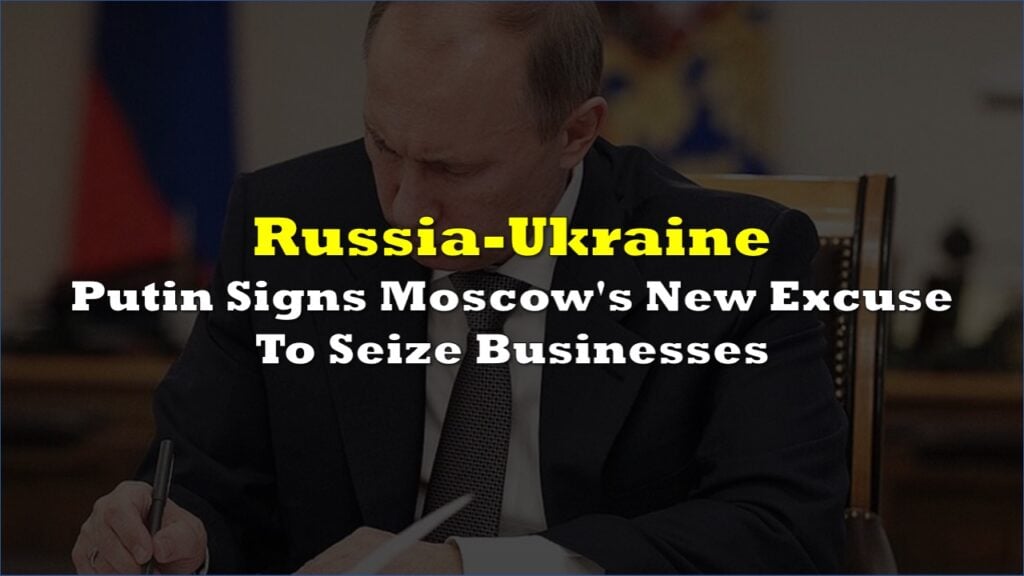
President Vladimir Putin has signed a law allowing Russian forces to be used outside the country when Russian citizens face certain foreign or international legal proceedings, according to state-linked and regional reports. The measure follows a May 13 vote in the State Duma, where 381 deputies backed the bill and no votes against or abstentions were recorded, according to Anadolu, which cited published parliamentary results.
The law matters because it shifts the pressure point from The Hague, Brussels, or Kyiv to the territory of any state that might be asked to enforce an arrest, extradition request, sanctions case, or international warrant. A country hosting a Russian official, military figure, intelligence-linked national, or sanctions target could find that a legal decision has been recast by Moscow as a confrontation with the Russian state.
 Sponsored · Cambria Gold Mines
The statute gives the president a military option where Moscow says a Russian citizen is being pursued through a court process Russia does not recognize. Anadolu reported that the bill covers foreign and international courts in which Russia does not participate, and also authorizes Russian state bodies, by presidential decision, to take protective measures in covered cases.
That wording places the law inside a broader Russian legal campaign against external accountability mechanisms. In December 2025, Reuters reported that Putin signed a separate law allowing Russia to disregard criminal judgments from foreign and international courts when Moscow says the issuing body lacks authority based on Russian consent or a UN Security Council mandate.
The new measure appears to move the same logic from non-recognition to response.
The ICC shadow
The most obvious backdrop is the International Criminal Court. In March 2023, the ICC issued arrest warrants for Putin and Russian children’s rights commissioner Maria Lvova-Belova over alleged unlawful deportation and transfer of Ukrainian children from occupied areas of Ukraine. The court later issued warrants in June 2024 for former defense minister Sergei Shoigu and chief of the general staff Valery Gerasimov over alleged war crimes and crimes against humanity tied to attacks on Ukrainian civilian infrastructure.
 Sponsored · Selkirk Copper Mines
Russia rejects the ICC’s authority over its officials. Reuters reported in December that the Kremlin has called the child-deportation allegations false, saying Moscow moved children away from conflict for their safety.
Anadolu cited experts who described Putin’s recent measure as likely more threatening than functional, because the law may be designed to make foreign states hesitate before detaining figures such as Lvova-Belova.
However, it is worth noting that the law does not mean every prosecution of a Russian citizen abroad will trigger Russian military action. Its more immediate value is ambiguity: it lets Moscow decide when a legal case against one of its citizens becomes hostile enough to warrant state action.
European outlets and analysts have warned that the measure could function as a pretext for military intervention. Euronews described the law as giving Putin authority in practice to use force abroad under the banner of protecting Russian citizens, while citing Russian parliamentary documents and statements from Russian officials defending the measure as a response to Western legal pressure.
For Ukraine and its allies, the measure undercuts the enforcement layer of international justice. For neutral or non-aligned countries, it raises the cost of hosting Russian officials.
For Russia, it turns the vulnerability created by foreign warrants into leverage.
Information for this story was found via the sources and companies mentioned. The author has no securities or affiliations related to the organizations discussed. Not a recommendation to buy or sell. Always do additional research and consult a professional before purchasing a security. The author holds no licenses