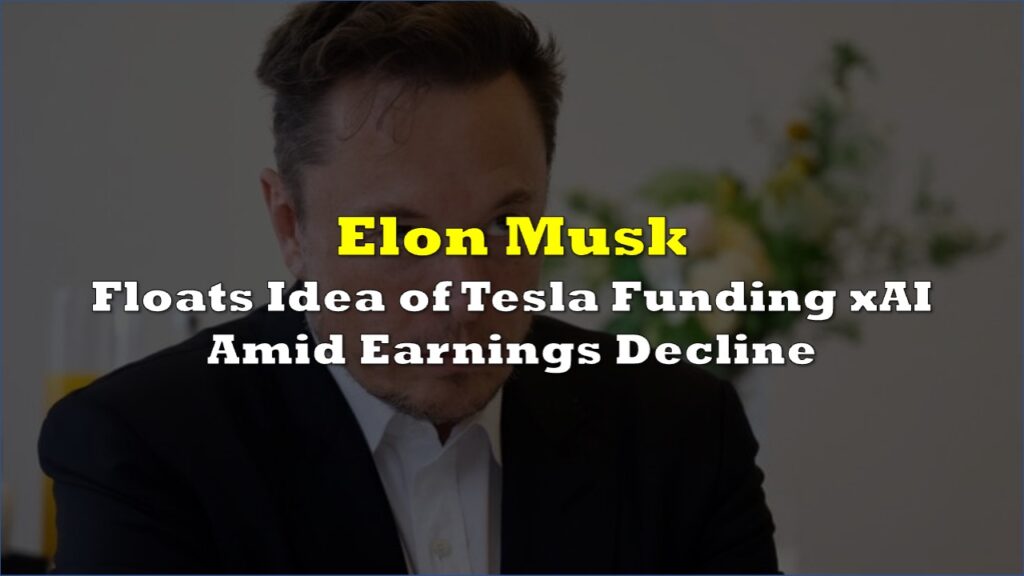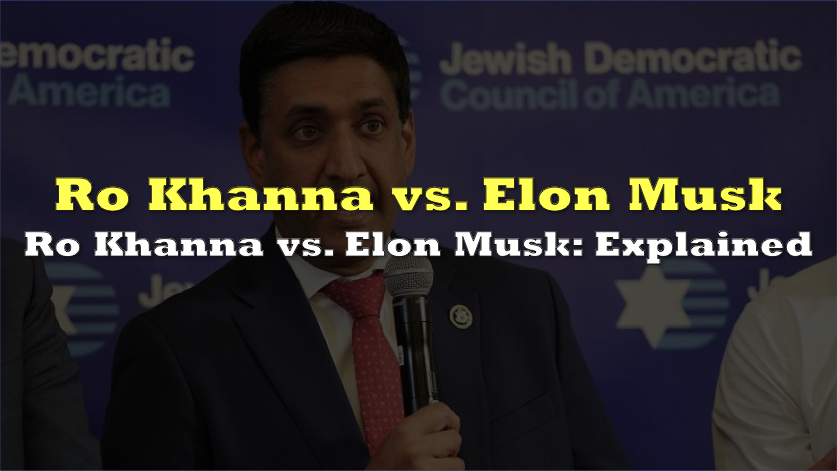

Rep. Ro Khanna is trying to turn Elon Musk’s most politically valuable claim, that DOGE cut waste, into a congressional liability.
The California Democrat said Musk should face subpoenas and investigation over his role in the dismantling of USAID, tying the billionaire’s cost-cutting campaign to a Lancet mortality projection that warned of 4.5 million potential deaths among children under five by 2030 if US foreign aid cuts continued.
Musk’s reply was not a policy defense. It was a legal threat.
 Sponsored · Selkirk Copper Mines
“Time to sue this liar,” Musk wrote on X, according to the Washington Examiner, after Khanna’s comments circulated through conservative media.
The clash is not just another Musk-posts-through-it episode. It lands days after SpaceX’s record IPO turned Musk’s wealth into a public-market fact pattern, briefly making him the world’s first trillionaire by several estimates. It also comes as Khanna and Sen. Bernie Sanders are pushing a 5% annual wealth tax on US billionaires, a proposal that would directly target the kind of balance-sheet wealth Musk now represents.
That makes the dispute unusually dense. It involves foreign aid mortality projections, congressional oversight power, Musk’s legal threats, DOGE’s record, SpaceX’s market debut, and the Democratic Party’s larger attempt to recast billionaires as public-policy actors rather than private-sector geniuses operating outside accountability.
What Khanna actually alleged
Khanna did not claim that 4.5 million children had already died.
 Sponsored · Cambria Gold Mines
He said Musk “possibly sentenced” 4.5 million children to death by dismantling USAID and argued that Democrats should investigate Musk if they regain power in Congress.
The number traces back to a peer-reviewed Lancet study that examined USAID’s impact across 133 low- and middle-income countries. The study estimated that USAID-supported programs prevented 91 million deaths between 2001 and 2021. It also projected that continued funding cuts could lead to more than 14.1 million additional deaths by 2030, including 4.5 million among children younger than five.
The fight centers on the Trump administration’s 2025 teardown of USAID. In March 2025, Secretary of State Marco Rubio said the administration had completed a six-week review and was cancelling 83% of USAID programs. That amounted to roughly 5,200 contracts, with the remaining programs set to be handled by the State Department.
The administration framed the cuts as a purge of wasteful or misaligned programs. Critics said the process abruptly dismantled health, food, water, and development systems that depended on US funding.
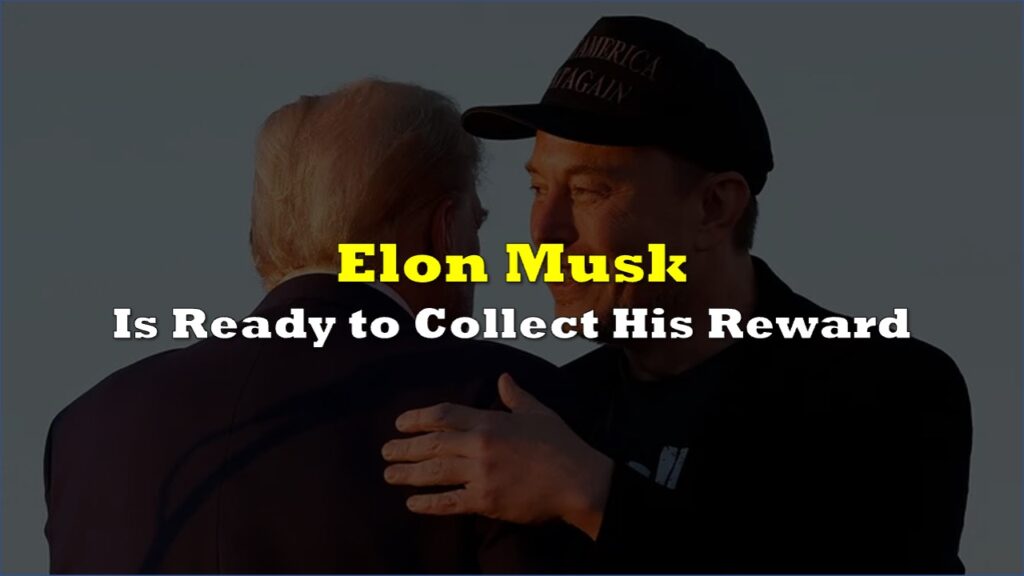
DOGE, the Department of Government Efficiency initiative associated with Musk, became the public symbol of the cuts. Khanna is now trying to make Musk answer not for general austerity, but for the operational consequences of specific program terminations.
Musk’s lawsuit threat
Musk’s threat to sue changes the terrain. A defamation fight would require Musk to argue that Khanna made a false and legally actionable claim. Khanna’s likely defense would lean on the Lancet study, congressional speech norms, political opinion protections, and the fact that his statement used “possibly” rather than presenting the 4.5 million figure as a completed toll.
For now, the threat functions as a pressure tactic but it also creates a strange inversion. Musk has built much of his political brand around free speech and anti-censorship rhetoric. Khanna has already leaned into that contradiction, pointing to the Lancet study and challenging Musk’s threat as an attempt to punish criticism.
“You know Elon, I thought you’re a free speech guy. Why not debate me on these issues instead of threatening lawfare?” Khanna said in an X post.
The result is not clean for either side. Khanna is using an extreme moral frame around a modeled outcome. Musk is threatening litigation over a political attack rooted in a published public-health study.
Both are escalating. Neither is debating the administrative record in detail.
The deeper risk is narrative consolidation. For years, Musk’s strongest political defense was output: rockets, electric vehicles, satellites, AI, and public-market wealth creation. Khanna is trying to move the public test from output to external cost.
If DOGE saved money, whose services disappeared? If SpaceX minted millionaires, what did US aid recipients lose? If Musk can influence government systems, why should he not face government oversight?
That frame is dangerous because it links three stories that Musk would rather keep separate: DOGE, USAID, and SpaceX.
It also gives Democrats a clearer target after years of internal tension over how to treat Silicon Valley. Khanna has previously argued that Democrats should not simply alienate tech. Now he is drawing a line between innovation and unaccountable state power.