
President Trump has signaled readiness to conclude the U.S. military campaign against Iran within weeks, even as the Strait of Hormuz remains largely closed, a move that could cement Tehran’s control over a vital global energy chokepoint.
The decision, conveyed to aides, prioritizes hobbling Iran’s navy and missile capabilities over forcing open the waterway, which handles about 20% of the world’s oil supply. Administration officials estimate that a mission to reopen the strait would extend the conflict beyond Trump’s preferred four-to-six-week timeline. Instead, the focus shifts to diplomatic pressure on Tehran to restore trade flow, with the fallback option of urging European and Gulf allies to lead any future operation.
Energy markets are already feeling the strain. U.S. oil prices surged past $100 a barrel on Monday, a level not seen since 2022, with analysts warning of a potential climb to $200 if disruptions persist. The closure has throttled supplies critical to industries like fertilizer and computer chip manufacturing, while Asian markets, which received 84% of crude oil and 83% of liquid natural gas through the strait in 2024, face acute shortages.
Trump’s stance on the strait has fluctuated. Publicly, he has oscillated between downplaying its importance to U.S. energy needs and issuing threats to bomb Iranian civilian infrastructure, including oil-export hub Kharg Island, if the waterway isn’t reopened promptly. Last week, he viewed Iran’s allowance of limited ship passages as a concession, fueling hopes for a diplomatic resolution.
Trump says the U.S. will no longer provide security assistance to countries dependent on Strait of Hormuz access for energy who declined to support operations against Iran.pic.twitter.com/hKIwUgMeN8
— The Dive Feed (@TheDeepDiveFeed) March 31, 2026
Secretary of State Marco Rubio emphasized that the campaign’s core objectives will wrap up soon, leaving the strait’s fate to Iran or a multinational coalition. “It will be up to Iran to decide, or a coalition of nations from around the world and the region, with the participation of the United States, we’ll make sure that it’s open, one way or the other,” Rubio said on Monday.
Despite the exit strategy, U.S. military presence in the region is growing. The USS Tripoli and the 31st Marine Expeditionary Unit arrived over the weekend, while Trump has ordered elements of the 82nd Airborne and is considering deploying an additional 10,000 ground troops. Yet, he has described the conflict as “an excursion” and remains reluctant to prioritize a complex operation to secure the strait.
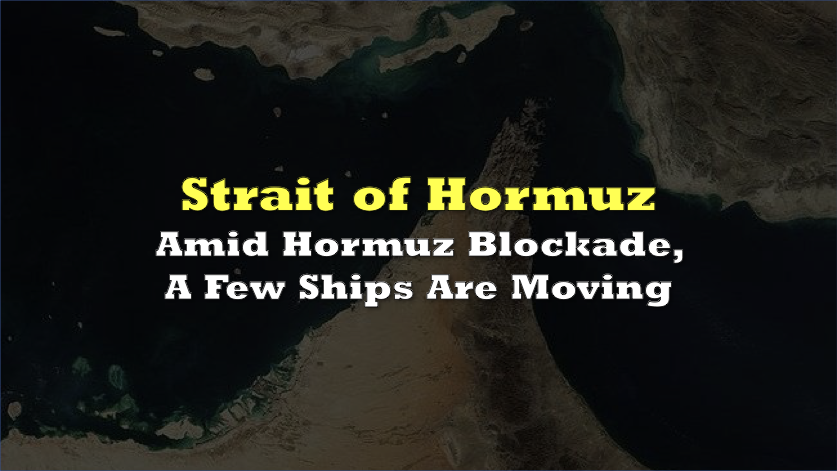
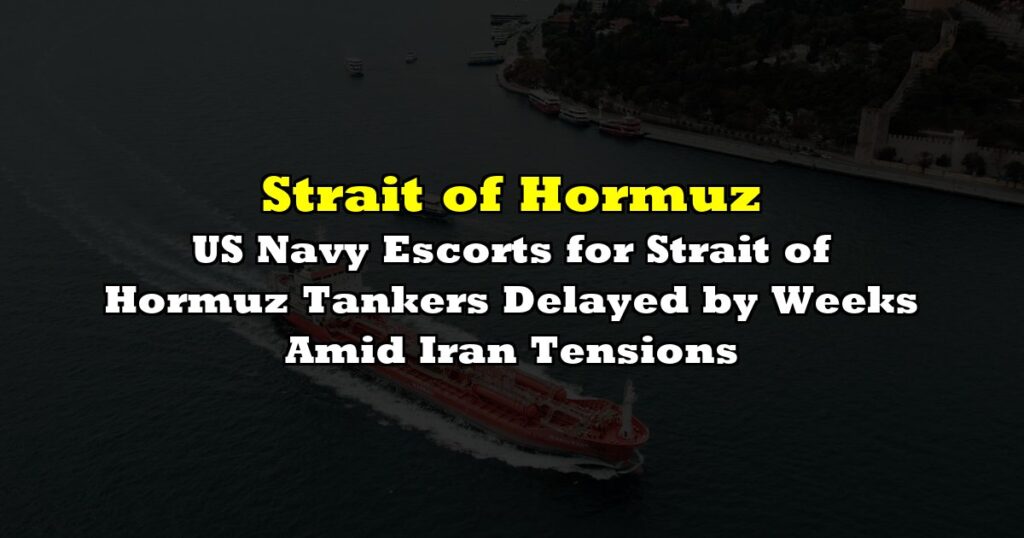
Treasury Secretary Scott Bessent suggested the U.S. or a multinational group could eventually escort tankers through the passage. He noted that more ships are navigating the strait daily as individual nations strike temporary deals with Iran, though no immediate action is planned. Nearly 40 countries, including the United Kingdom, France, and Canada, have pledged readiness to support efforts for safe passage.
Critics warn of severe economic fallout. Suzanne Maloney, an Iran expert at the Brookings Institution, called the decision to end military action before reopening the strait “unbelievably irresponsible,” arguing that the U.S. cannot escape the global energy market’s interconnected damage. The longer the closure persists, the deeper the impact on world trade.
As the war’s end nears, Iran’s diminished military capacity may ease its grip on the strait, according to Rich Goldberg, a former Trump National Security Council official. He believes that achieving strategic objectives against Iran’s external threats will naturally shift focus to securing the waterway. For now, oil markets remain on edge, with prices reflecting the uncertainty of a resolution by the end of Q2 2026.
Information for this story was found via the sources and companies mentioned. The author has no securities or affiliations related to the organizations discussed. Not a recommendation to buy or sell. Always do additional research and consult a professional before purchasing a security. The author holds no licenses.