
Palantir Technologies built its case for remaining inside Britain’s National Health Service on two numbers: 110,000 extra operations delivered, and a 15% reduction in discharge delays. NHS England repeated those figures to ministers and parliament. The Financial Times reported on Thursday that NHS England has now admitted, buried in an updated methodology document, that neither claim is causally proven.
The caveat — that it cannot “draw conclusions about cause and effect as other variables have not been controlled for” — appears seven times in the updated methodology page and was absent from an archived version from May, suggesting it was added quietly. It has triggered calls from MPs for an independent audit and intensified a government review already weighing whether to trigger a 2027 break clause.
Palantir was contracted in November 2023 under the previous Conservative government to build the NHS Federated Data Platform. This system connects patient data across NHS England to support clinical decision-making. The contract, initially valued at £330mn, is expected to exceed £1bn over its lifetime.
 Sponsored · Altamira Gold Corp.
The NHS owns no intellectual property from the arrangement, meaning a significant public expenditure leaves no software assets in government hands when it ends.
The caveat follows a separate finding published June 16 by The Register, which reported FOI data showing the platform’s gains are unevenly distributed — with some trusts recording fewer procedures after adopting the FDP than before, directly contradicting the headline operations claim.
Labour MP Ben Coleman, a member of the Health and Social Care select committee, called for accountability. “We should have an independent audit,” he said. Science and Technology Secretary Liz Kendall told Times Radio the health secretary is “reviewing every single aspect of that contract to make sure we get the right deal for Britain.”
Liberal Democrat tech committee member Martin Wrigley pointed to NHS Greater Manchester’s homegrown analytics platform as evidence that a sovereign alternative already exists. Tech campaign group Foxglove has written to Health Secretary James Murray demanding to know when the disclaimer was added and why parliament was not informed.
 Sponsored · Silver47 Exploration Inc.
In April, Digital Health News reported that an internal NHS England briefing note outlined plans to grant Palantir staff unlimited admin access to identifiable patient data — a significant departure from the case-by-case approval process previously in place. The briefing note itself acknowledged this risked “loss of public confidence.”
Roughly 100 pages of the underlying FDP contract remain withheld from the public, specifically those covering how patient data is pseudonymised — the one element of the data protection framework no independent expert can currently evaluate.
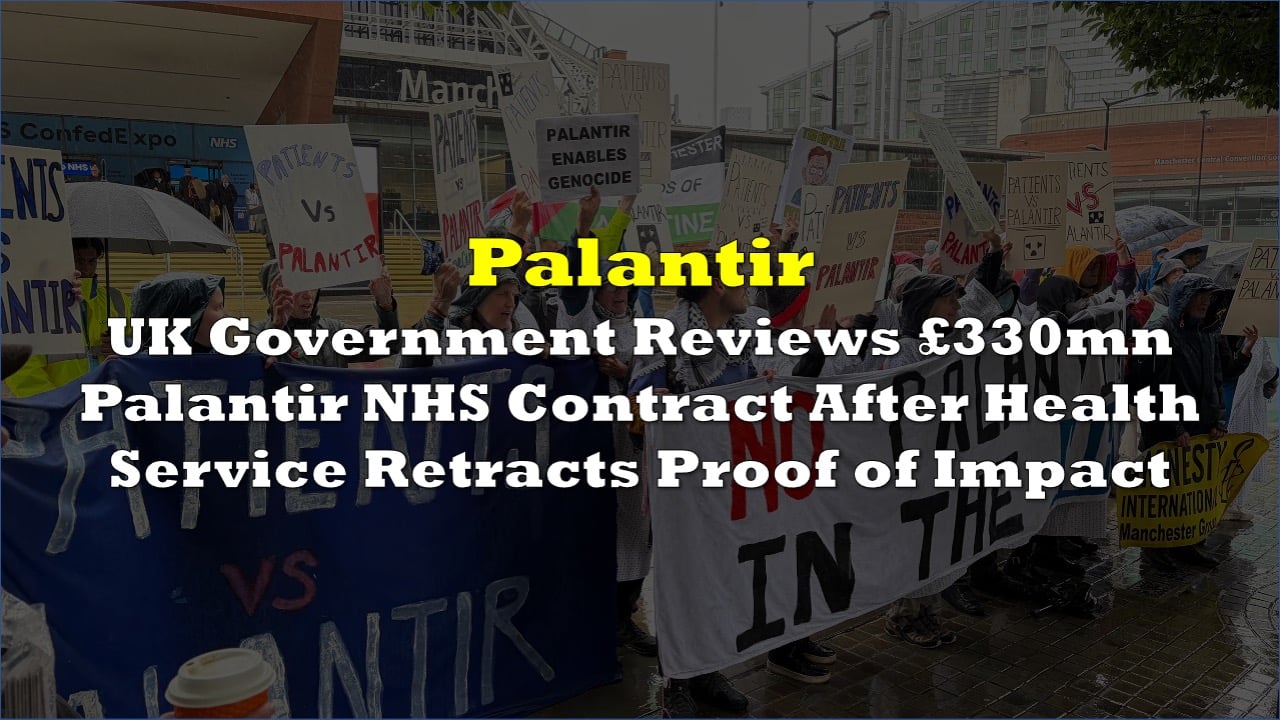
The British Medical Association passed a motion at its 2025 annual general meeting opposing the FDP rollout and, in February 2026, instructed doctors to limit their engagement with the platform. More than 47,000 patients have written formally to local trust boards demanding withdrawal.
A parliamentary committee report called Palantir’s growing footprint in UK public sector infrastructure “an unacceptable point of weakness.” London Mayor Sadiq Khan last month blocked a separate £50mn Metropolitan Police contract with Palantir over concerns about value for money and corporate ethics in public procurement.
The Nerve said in January 2026 that total UK government contracts with the company amount to at least £670mn — including a £240mn Ministry of Defence deal awarded in December 2025 without competitive tender and a £15mn contract with AWE Nuclear Security Technologies, the agency responsible for Britain’s nuclear weapons programme.
Palantir’s civilian Foundry platform — the one underpinning the NHS FDP — shares architectural roots with Gotham, its defense and intelligence product, according to a review by Privacy International and No Tech For Tyrants.
Palantir CEO Alex Karp’s public alignment with Donald Trump has also sharpened resistance among Labour MPs already uncomfortable with the degree of US control over NHS infrastructure. A break clause decision is expected later this year.
Palantir shares have fallen roughly 30% year-to-date, closing around $106 on Thursday — down from a 52-week high of $207.52. The company reports Q2 2026 earnings on August 3.