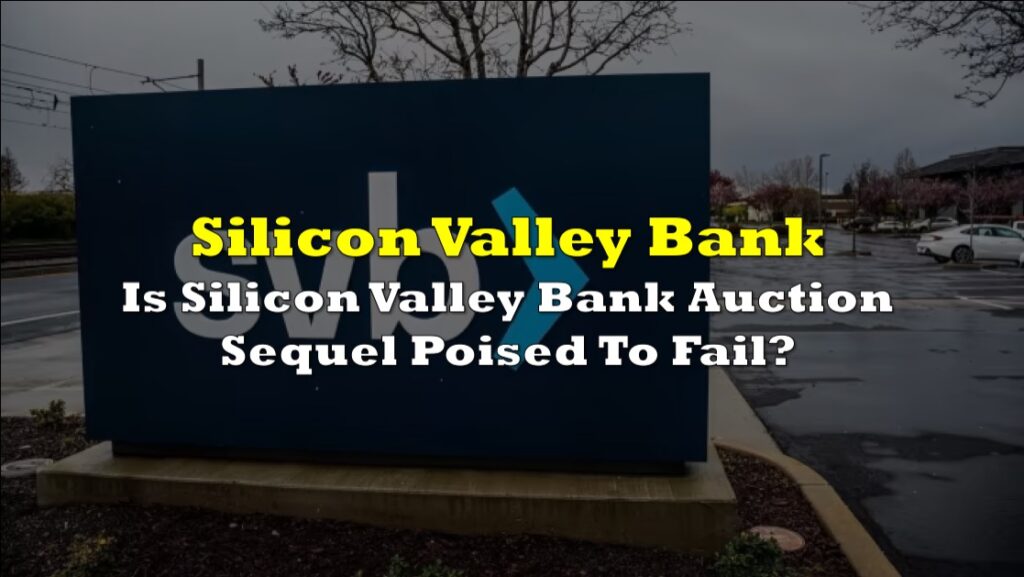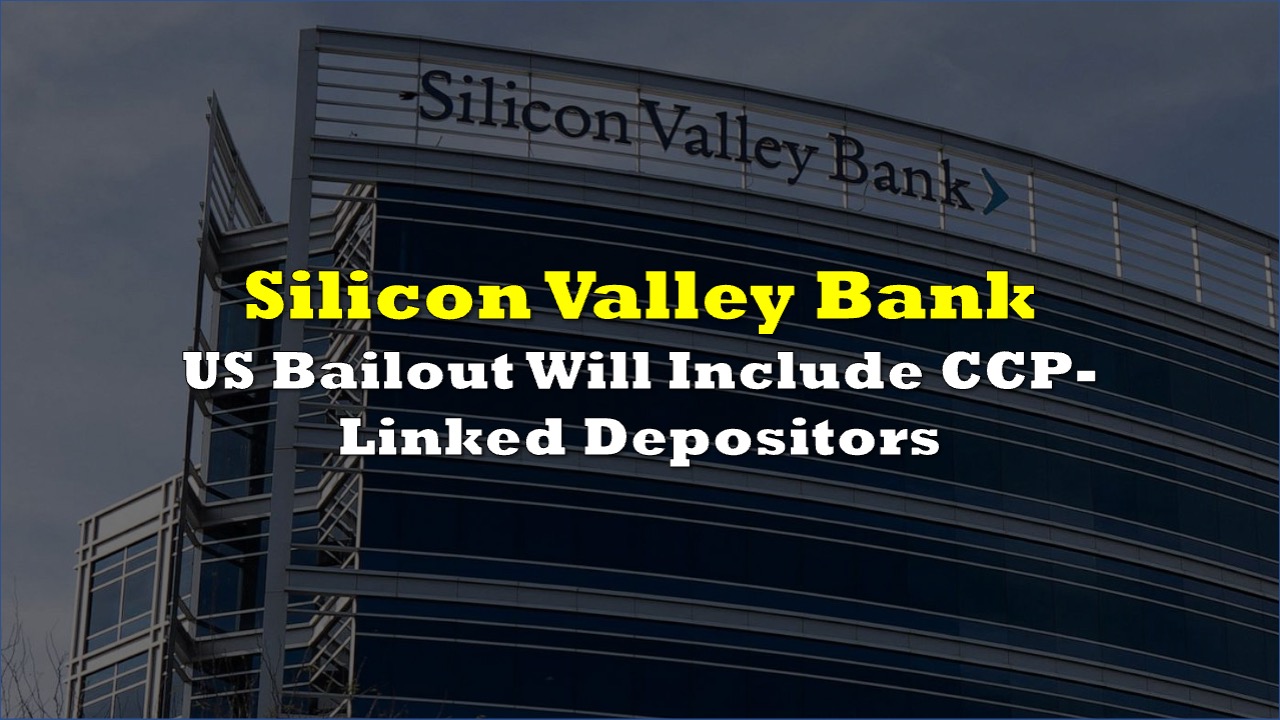

The federal effort to make depositors of the collapsed Silicon Valley Bank whole will include deposits from businesses linked to the Chinese Communist Party (CCP), Treasury Secretary Janet Yellen confirmed at a Congressional hearing on Thursday.
Senator James Lankford, a Republican from Oklahoma, raised concerns over the American banking system taking on the responsibility for the exposure of these CCP-linked firms.
“It has been reported publicly that SVB had a large number of Chinese investors that are there, including some companies that were directly connected to the Chinese Communist Party,” said Senator James Lankford, a Republican from Oklahoma. “So what I’m asking is: will my banks in Oklahoma pay a special assessment to be able to make Chinese investors whole in Silicon Valley Bank?”
 Sponsored · Selkirk Copper Mines
“Uninsured investors will be made whole in that bank and I suppose that could include foreign depositors, but I don’t believe there is any legal basis to discriminate among uninsured depositors,” Yellen confirmed.
The widespread panic that caused the SVB bank run raised alarms in China. Several Chinese startups rushed to calm investors, releasing statements to confirm ties with SVB and to clarify that exposure to the bank was minimal to zero.
SVB also has a 50-50 joint venture with Shanghai Pudong Development Bank called SPD Silicon Valley Bank, but the China-based bank has reassured its depositors that its balance sheet is independent from its US partner.
“The bank has a standardized corporate governance structure and an independent balance sheet,” it said in a statement. “As China’s first technology bank, SPD Silicon Valley Bank is committed to serving Chinese science and technology companies, and has always had sound operations in accordance with Chinese laws and regulations.”
When the Treasury, the Federal Reserve, and the Federal Deposit Insurance Corporation (FDIC) announced the SVB bailout in a joint statement, they emphasized that the cost will not be borne by the taxpayer. But it will still be borne by consumers — however indirectly — as banks will likely pass on higher assessment fees via increased bank fees.
Information for this briefing was found via the National Review, Nikkei Asia, Twitter, and the sources and companies mentioned. The author has no securities or affiliations related to the organizations discussed. Not a recommendation to buy or sell. Always do additional research and consult a professional before purchasing a security. The author holds no licenses.