

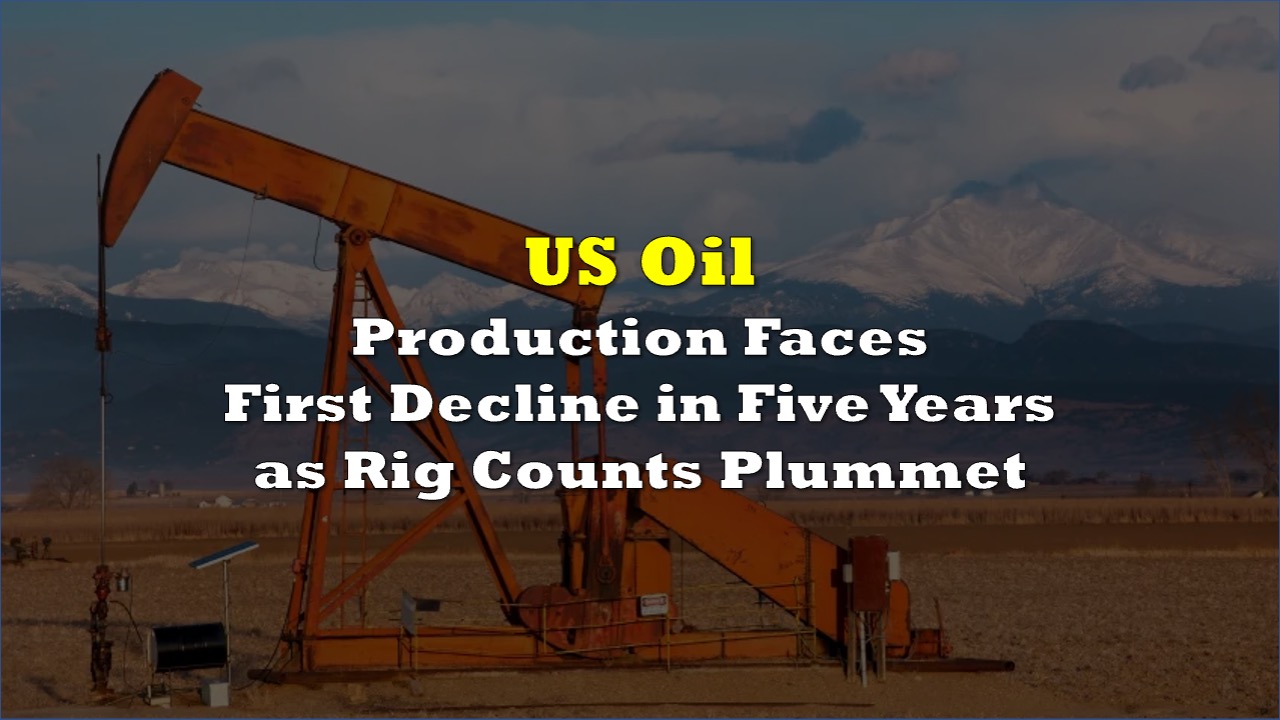

US crude oil production will decline in 2027 for the first time in six years, ending a run of record output that made the nation the world’s largest oil producer.
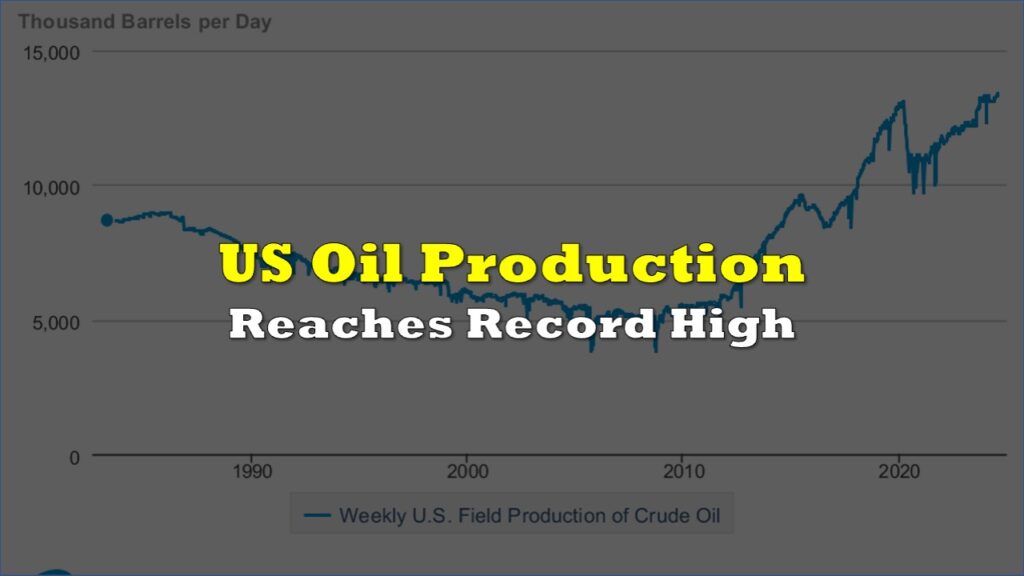
The Energy Information Administration projects US crude production will remain near the 2025 record of 13.6 million barrels per day in 2026 before falling 2% to 13.3 million barrels per day in 2027. The decline represents the first year-over-year drop in US oil output since 2021.
US total oil production is now declining on a year-over-year basis for the first time in nearly five years.
— Otavio (Tavi) Costa (@TaviCosta) February 10, 2026
It turns out that a roughly 30% drop in the number of active rigs over the past three years does matter for production — despite the narrative that efficiency gains alone… pic.twitter.com/3rhKKKM5SJ
Falling rig counts threaten to outpace the efficiency gains that allowed producers to maintain record output despite drilling fewer wells. Active oil rigs dropped 33% from 750 in December 2022 to 397 in October 2025, according to EIA data. The agency expects the slowdown in drilling activity will outpace recent increases in drilling productivity.
Oil prices below breakeven levels have forced operators to scale back drilling plans. The EIA forecasts West Texas Intermediate crude will average $52 per barrel in 2026 and $50 per barrel in 2027, well below the $61-62 per barrel breakeven range for new Permian Basin wells reported in the Dallas Federal Reserve energy survey.
Related: Oil Executives Warn of ‘Twilight of Shale’ as Industry Faces Crisis
The Lower 48 states will drive the production decline, particularly outside the Permian Basin. The EIA expects modest production increases from the Gulf of Mexico and Alaska will fail to offset losses in other regions.
Information for this story was found via the sources and companies mentioned. The author has no securities or affiliations related to the organizations discussed. Not a recommendation to buy or sell. Always do additional research and consult a professional before purchasing a security. The author holds no licenses.







2 Responses
This is valuable
THIS IS CANADIAN WISHFULL THINKING
HOPE IS ETERNAL
HOWEVER THIS INCORRECT SEE EXXON MOBIL NEW FRAC TECHNOLOGY WITH BUNKER FLAKE WITH 20-25% BOOST IN PRODUCTION