
The US-Iran talks in Islamabad ended without a deal after 21 hours because the two sides were negotiating far more than a narrow truce, with Washington pressing for nuclear and military limits while Tehran demanded sanctions relief, compensation, regional concessions, and control over a critical shipping chokepoint.
The talks, hosted by Pakistan, also involved trilateral discussions with Pakistani officials, including Prime Minister Shehbaz Sharif and Foreign Minister Mohammad Ishaq Dar.
Vice President JD Vance claimed the US delegation was leaving Pakistan after Iran refused to accept key American terms, especially a commitment not to build nuclear weapons.
Before the talks, he warned Tehran not to “play us” and said the US was willing to extend an open hand only if Iran negotiated in good faith. After the talks ended, he said the US had made its best offer and that Tehran had rejected it.
Iranian media pushed the opposite line almost immediately. Tasnim, Iran’s semi-official news agency affiliated with the IRGC, called the U.S. demands “excessive,” coupled with media reports accusing Washington of looking for an excuse to leave and insisted that the “ball is in America’s court.”
Here’s a rundown of the negotiation talk points that led to a ‘no deal’ scenario:
- Nuclear weapons and uranium enrichment: Washington’s core demand was an affirmative Iranian commitment not to seek a nuclear weapon and not to retain the tools needed to get one quickly. Vance said that explicitly after the talks failed. Iran, however, wanted to preserve the right to enrich uranium, which Reuters reported Washington had ruled out and President Donald Trump had called non-negotiable. That made this the clearest deadlock in the talks.
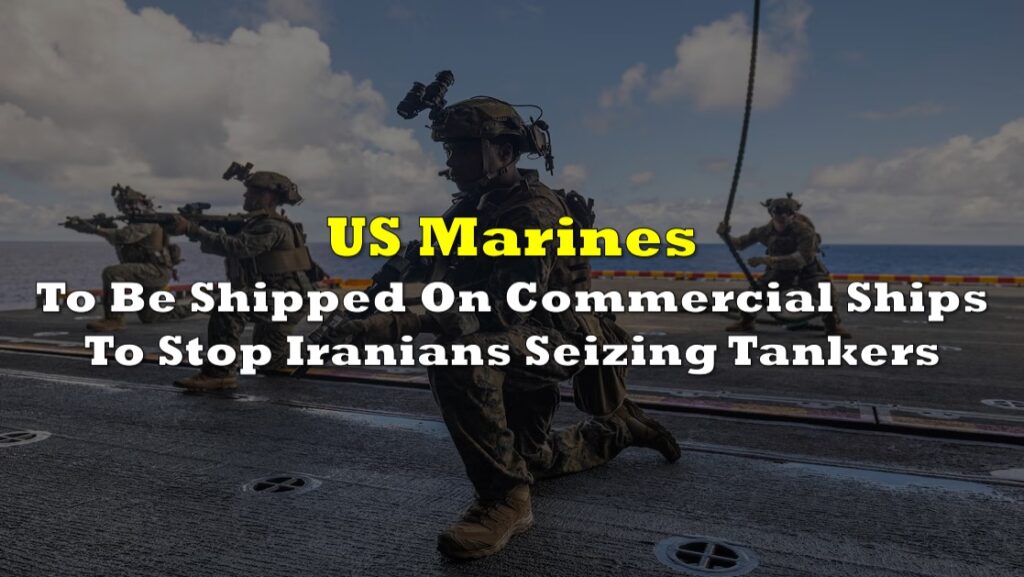
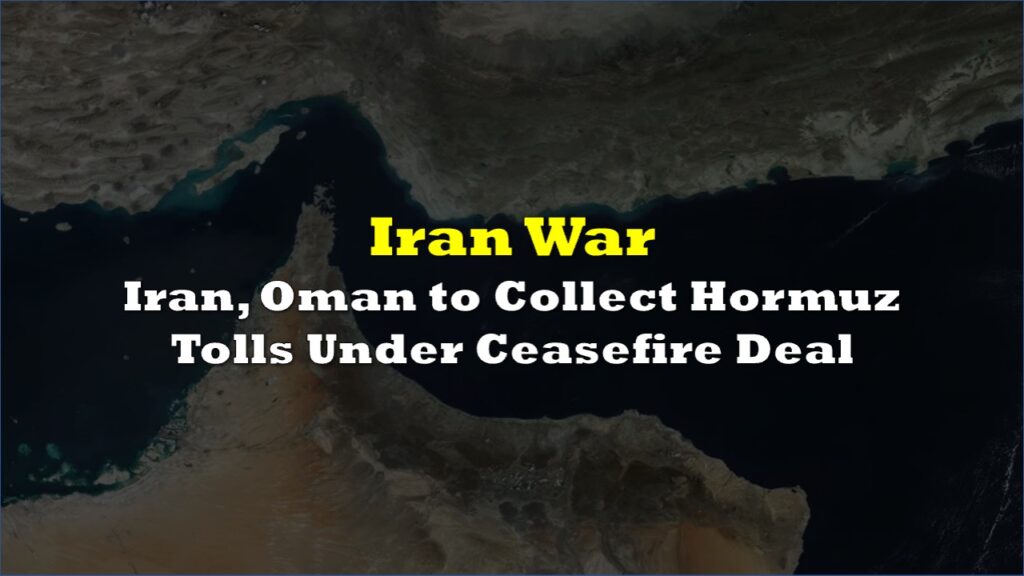
- Strait of Hormuz access and control: The US wanted the strait reopened for unrestricted commercial navigation and treated that as a core condition of any broader deal, while also moving militarily to secure passage by clearing mines and establishing a safe shipping corridor. Iran sought acknowledgment of its authority over the waterway, the ability to shape access on its own terms, and reportedly the right to charge transit fees. That alone was already a major gap.
But follow-on reports said Iran also rejected a US idea for joint management or a kind of joint venture arrangement over Hormuz. - Frozen assets and sanctions relief: Iran wanted the US to unblock Iranian assets and end sanctions that have battered its economy. Washington had indicated openness to significant sanctions relief, but only in exchange for concessions on Iran’s nuclear and missile programs. Reuters also reported that an Iranian source claimed the US had agreed to release frozen assets in Qatar and other banks, while a US official denied that any such agreement existed.
- Lebanon and the scope of the ceasefire: Tehran insisted formal talks could begin only after Washington committed to a ceasefire in Lebanon, wanting the regional truce to include Beirut, where Israeli attacks on Iran-backed Hezbollah had killed nearly 2,000 people since March. The US and Israel said the Lebanon campaign was not part of the Iran-US ceasefire, creating a structural mismatch from the jump.
- War reparations and compensation: Iran was expected to demand compensation for damage from the six-week war. The US had not commented publicly on this demand, which suggests Washington was not eager to validate it as a legitimate negotiating track.
- Missile capabilities: Reuters said the US and Israel wanted Iran’s missile capabilities dramatically curtailed, while Tehran called its missile arsenal non-negotiable.
- US military presence and non-aggression guarantees: Iran wanted US combat forces withdrawn from the region, an end to war on all fronts, and a commitment to non-aggression. However, it was reported that Trump had instead vowed to retain military assets in the Middle East until a peace deal was reached and warned of a major escalation if Iran did not comply.
The talks failed, then, not because one side got hung up on a single clause, but because almost every major bargaining item cut directly against the other side’s core objective, as if no side was willing to give and they both go back to the drawing board without winning any.
Vance tried to paint the failed negotiations as “bad news for Iran much more than it’s bad news for the US.” Meanwhile, Trump spent Saturday night at UFC 327 in Miami, where he was joined by Secretary of State Marco Rubio.
here's Trump entering a UFC event as Vance says that negotiations with Iran have failed pic.twitter.com/gJ2JwpUML1
— Aaron Rupar (@atrupar) April 12, 2026
Information for this story was found via Reuters and the sources and companies mentioned. The author has no securities or affiliations related to the organizations discussed. Not a recommendation to buy or sell. Always do additional research and consult a professional before purchasing a security. The author holds no licenses.