

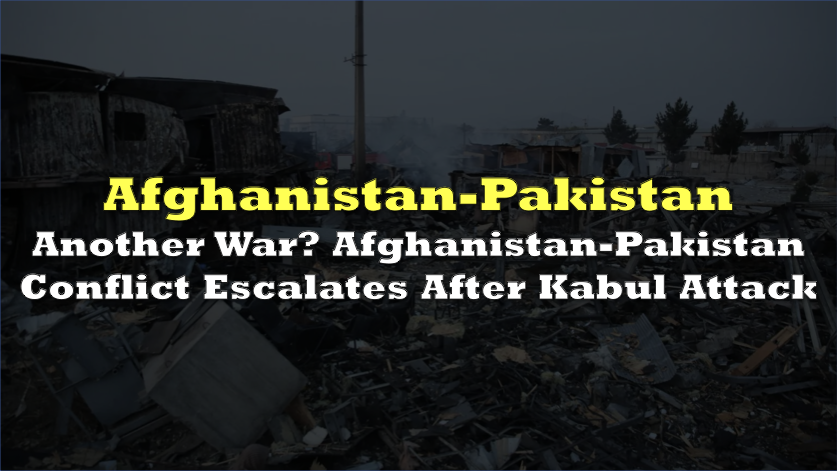

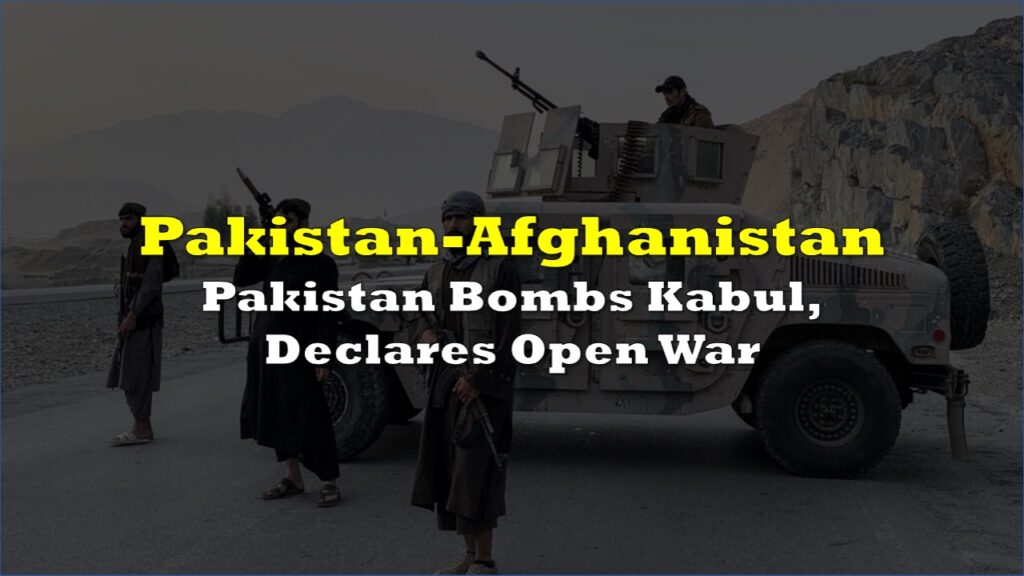
Pakistan’s revent strike on the Omid drug rehabilitation center in Kabul turned a border confrontation into its deadliest phase yet, sharply narrowing the path to a ceasefire and exposing the strategic logic driving the conflict.
UNAMA said on Wednesday that at least 143 people were killed in the strike, while Afghan Taliban authorities put the toll above 400 dead and 250 injured. Pakistan denied hitting a civilian site and said it had precisely targeted military infrastructure.
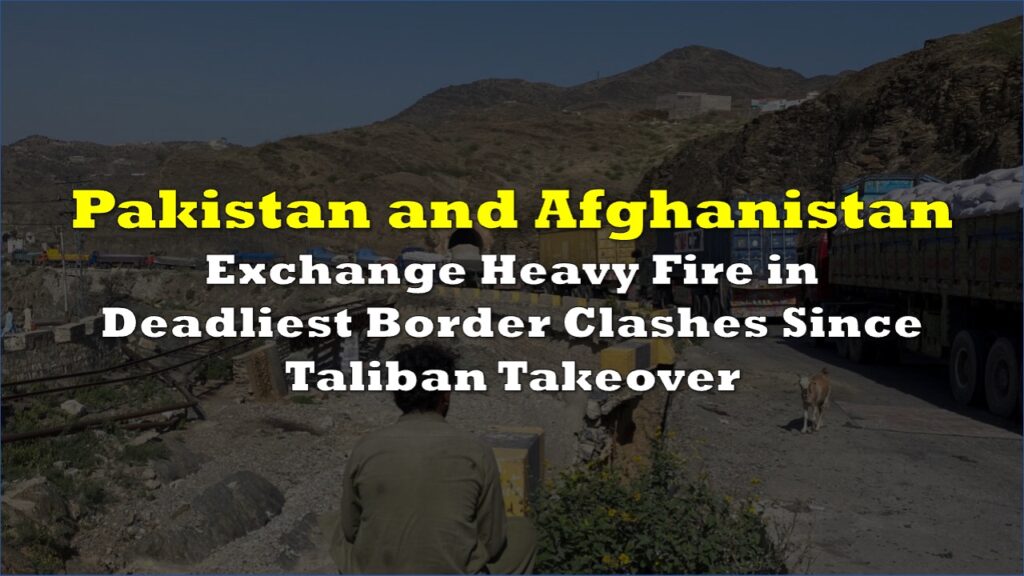
Before the Omid strike, UNAMA had documented at least 75 deaths and 193 injuries in Afghanistan from cross-border fighting between February 26 and March 13. More than half were reportedly women and children. The strike on a 2,000-bed rehabilitation facility treating drug addiction now stands as the deadliest known incident since the current round of fighting reignited in late February.
Pakistan’s internal insurgency
The core driver is Pakistan’s worsening domestic militant threat, especially from Tehreek-e-Taliban Pakistan, or TTP. Pakistan recorded its deadliest year of insurgent violence in a decade in 2025, according to South Asia Terrorism Portal data cited in the material. TTP violence rose about 40% since 2023, while cross-border clashes and drone strikes rose 55% since 2024, according to ACLED data cited in the material.
Islamabad argues Afghanistan is sheltering militants responsible for bombings and attacks inside Pakistan. Kabul denies that charge.
Pakistan has also accused India of sponsoring militant groups from Afghan soil, including the TTP and Baloch Liberation Army. That framing serves a domestic function in a military-dominated political system under pressure from insecurity and economic strain.
The military logic has not produced visible counterinsurgency gains. Pakistan has intensified aerial strikes in 2025 and border clashes have more than doubled, yet militant violence inside the country has continued to rise.
Economic pressure
Pakistan also holds a structural economic advantage that is amplifying the conflict. Border closures at Torkham and other crossings have halted an estimated 35% to 40% of Afghanistan’s total trade, including transit through Pakistan, with cumulative damages exceeding $240 million by mid-February.
The World Food Program estimates 17.4 million Afghans will face acute food insecurity in 2026.
At the same time, Afghanistan’s alternative trade channel through Iran has weakened. Iran supplied an estimated 30% to 40% of Afghan imports and served as a transit hub for Indian goods via Chabahar. But Tehran imposed a ban on food and agricultural exports on March 3 to protect domestic supply, while inflation in Iran is above 46% and Chabahar has faced strikes and operational disruptions.
In addition, US sanctions waivers tied to Chabahar are set to expire in April 2026, adding more uncertainty.
Pakistan, by contrast, has moved to secure its own supply lines. The Pakistan Navy began escorting commercial vessels through the Middle East conflict zone on March 9. Four tankers carrying more than 176,000 metric tonnes of fuel arrived at Karachi, and Islamabad said on March 15 that petroleum stocks were at comfortable levels.
A ceasefire agreed in October later collapsed, and mediation efforts by Qatar, Turkey, and others failed to produce a durable settlement. China has spent the past week trying to de-escalate tensions and called for a ceasefire at the earliest opportunity prior to the recent Kabul hospital strike.
Afghanistan-India trade nearly rebounded to pre-2021 levels, reaching $1.0 billion between April 2024 and March 2025, with Afghan exports hitting a record $642.0 million. while it is also expanding northern trade corridors through Central Asia. Every Pakistani strike strengthens Kabul’s incentive to reduce reliance on Pakistani transit, and every reduction in dependence weakens the economic interdependence that might otherwise restrain conflict. That is the feedback loop now driving the war.
Information for this story was found via Bloomberg, BBC, The Diplomat, and the sources and companies mentioned. The author has no securities or affiliations related to the organizations discussed. Not a recommendation to buy or sell. Always do additional research and consult a professional before purchasing a security. The author holds no licenses.

One Response
Oil and religion = war