
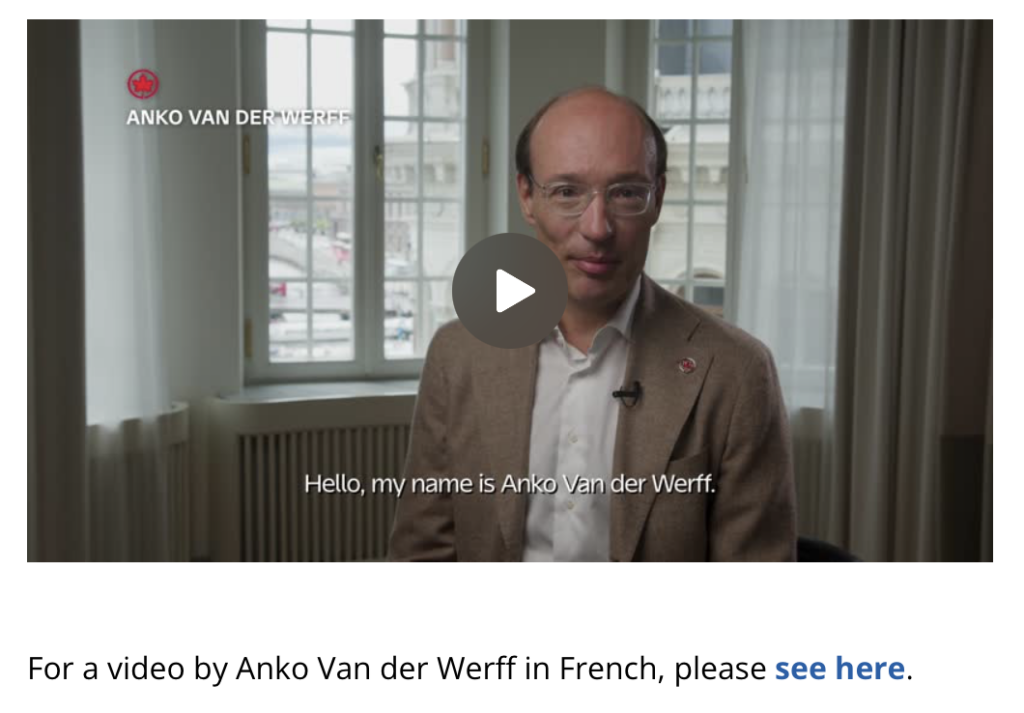
Air Canada named Anko Van der Werff, currently president and CEO of Scandinavian Airlines, as its next president and CEO. He will also join Air Canada’s board and take over by the end of January 2027, the company said Wednesday.
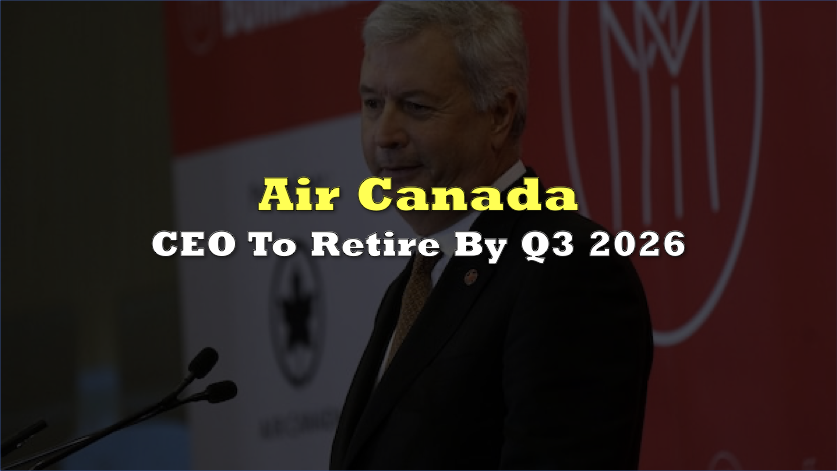
Van der Werff succeeds Michael Rousseau, whose retirement is effective August 31 after 19 years with the airline.
The appointment gives Air Canada an external operator with experience across Europe, Latin America, and the Middle East. It also gives the board a visible answer to a reputational problem that had moved beyond customer service and into national politics: whether the head of Canada’s largest airline can credibly lead a company with official-language obligations from Montreal.
 Sponsored · Selkirk Copper Mines
Air Canada said its global search considered several performance criteria, “including the ability to communicate in French.”
“A native of the Netherlands, Mr. Van der Werff speaks Dutch. He is able to communicate in French. Aside from those two languages and English, he also learned Spanish, Italian and Swedish at different levels over the course of his international career,” the release said.
However, the airline did not describe him as fully bilingual in its release. Reuters reported that Prime Minister Mark Carney had said after Rousseau’s retirement announcement that it was “absolutely essential” for the next CEO to be fully bilingual.
Rousseau’s exit followed public criticism over a condolence video issued after a March 22 collision at New York’s LaGuardia Airport involving an Air Canada Express flight operated by Jazz Aviation. The crash killed two pilots, including Quebecer Antoine Forest, and injured more than 40 people.
 Sponsored · Cambria Gold Mines
Rousseau was criticized because the message was delivered almost entirely in English. In an apology following the backlash, he moved to contain the fallout from his earlier post-crash remarks, saying he is “still unable to express myself adequately in French.”
The issue further blew up after Carney rebuked Rosseau’s condolence message.
Air Canada’s own March 30 retirement announcement did not frame Rousseau’s departure as caused by the controversy. The company said succession planning had been underway for more than two years, with an external global search launched in January 2026. It also said candidates would be assessed partly on French communication ability.
The language obligations are not symbolic branding. The company says it is the only airline in Canada with official-language obligations under the Official Languages Act, and that it has served customers in English and French for more than 50 years.
So, Van der Werff’s appointment is a language reset but also an operational bet. Air Canada highlighted his 25 years of aviation experience, including leadership at SAS, Avianca Group, Aeroméxico, KLM Royal Dutch Airlines, and Qatar Airways.
Reuters reported that SAS will begin the process of appointing a successor. Van der Werff joined SAS in 2021, when the airline was under heavy pressure from pandemic-era travel collapse and debt, and later went through restructuring.
That background fits Air Canada’s current investor story. The airline reported record Q1 2026 operating revenue of $5.8 billion, up more than 11% from the same period in 2025. Operating income reached $117 million, a $225 million swing from the year-earlier loss, while adjusted EBITDA rose 61% to $623 million.
Board Chair Vagn Sørensen said Van der Werff’s experience would support “value-creating growth and transformation” while maintaining “disciplined capital allocation.”