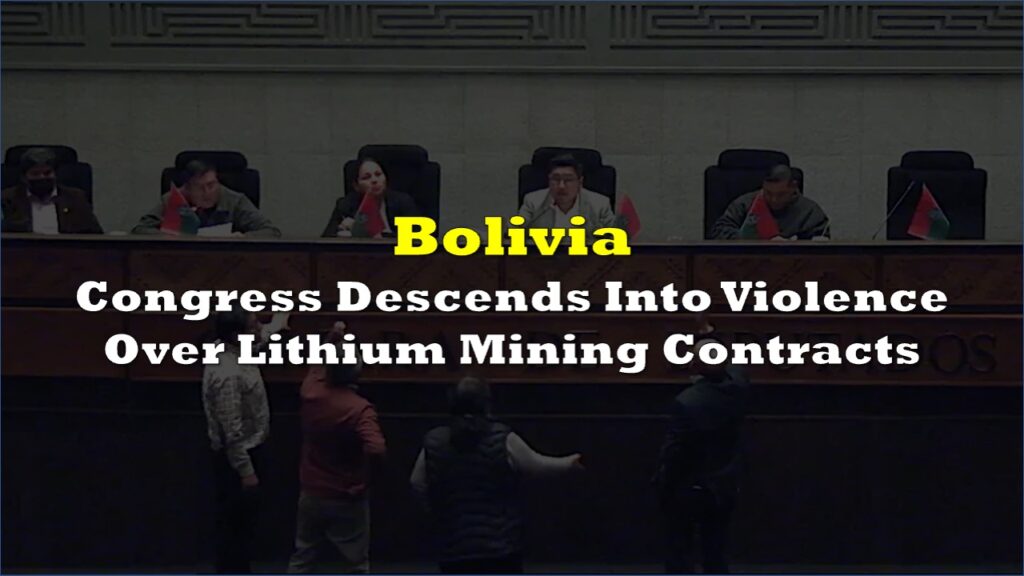

Bolivia’s protest crisis has become a nationwide supply-chain shock, with roadblocks and shortages now testing whether President Rodrigo Paz can restore movement across the country before the political standoff hardens into an economic shutdown.
The unrest, now in its fourth week, has disrupted transport routes, tightened access to food, fuel, and medicine, and pushed demonstrators from wage and subsidy demands into direct calls for Paz’s resignation, according to Reuters. Paz responded Monday by saying he would cut his salary and those of his cabinet ministers by 50%, a gesture that underscored the pressure on his government but did not resolve the blockades choking key roads.
The crisis began in early May as strikes and expanded into a broader protest movement involving labor unions, miners, transport workers, and rural groups. Reuters reported protesters have demanded that the government reverse austerity measures and address rising living costs, while some groups have escalated the confrontation into a demand that Paz leave office.
The most material consequence is no longer just crowd size or protest messaging. It is control of movement. Reuters reported that roadblocks have contributed to severe shortages in La Paz and El Alto, two cities whose dependence on road access has turned blockades into a political weapon and a logistics constraint at the same time.
 Sponsored · Silver47 Exploration Inc.
The government has tried to open relief routes through the disruption. Reuters reported Friday that police and armed forces would establish humanitarian corridors in the La Paz department to move food, medicine, oxygen, and other essential goods through blockades, with Interior Minister Marco Antonio Oviedo saying the operation would focus on the route linking Oruro and La Paz.
The plan brought in non-state institutions to lower the risk of confrontation. As per the Reuters report, the Red Cross and the Catholic Church were expected to assist, a sign that the government was trying to frame the corridors as a relief operation rather than a pure security push.
The conflict has already turned violent. AP reported that miners clashed with police in La Paz after attempting to reach the government palace, with small dynamite charges and police tear gas used during the confrontation. Reuters separately reported explosions during a mining-group march and said officials had been negotiating over issues including fuel subsidies, social welfare benefits, and agrarian reform.
Paz’s salary cut therefore lands as symbolism against a more concrete problem. A 50% pay reduction may address the optics of government sacrifice, but the immediate test is whether supplies can move, roads can reopen, and protest groups can be pulled back into negotiations.
The unrest is also reaching listed companies with Bolivian exposure. Orvana Minerals said the disruptions are delaying the start of oxide ore processing at its Don Mario operation in Bolivia. The company said required materials for its Oxide Stockpile Project have been affected by transport and supply constraints, leaving it unable to give a new startup date.
Orvana said its Bolivian subsidiary had produced 959 gold ounces and 1,079 silver ounces of doré during the quarter ended March 31, 2026, while testing the gold and silver side of the Don Mario plant. The company also said work had moved into the copper portion of the processing circuit before the supply disruption pushed the oxide timeline out of view.
The company said it would revisit EMIPA’s guidance once the duration and operational effect of Bolivia’s disruptions become clearer.
Information for this story was found via the sources and companies mentioned. The author has no securities or affiliations related to the organizations discussed. Not a recommendation to buy or sell. Always do additional research and consult a professional before purchasing a security. The author holds no licenses.