
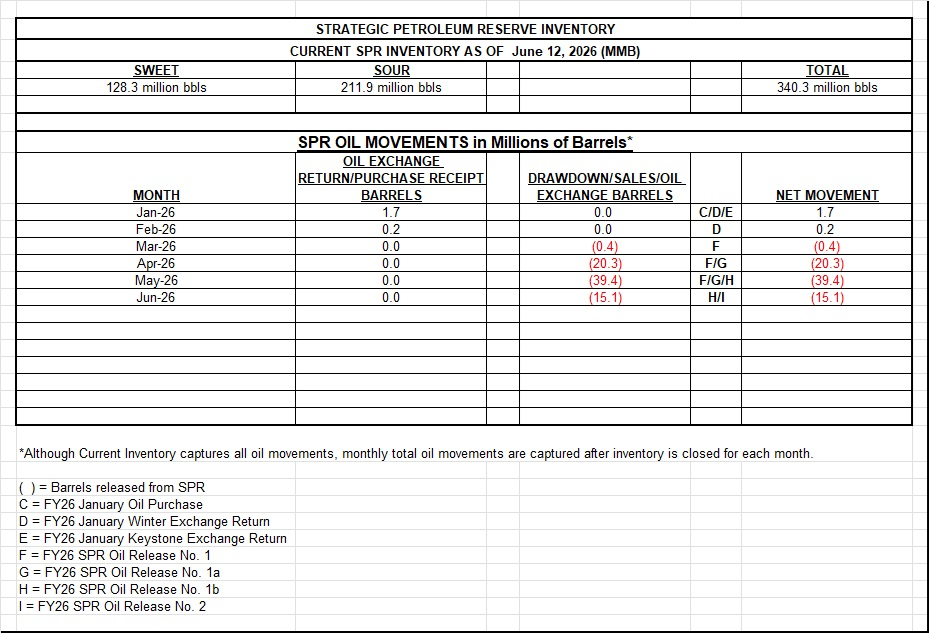
The U.S. Strategic Petroleum Reserve has dropped to 340.3 million barrels, its lowest point since 1983, according to federal data released Monday. An 8.9-million-barrel drawdown in a single week drove the latest decline, part of an aggressive campaign by the Trump administration to cushion the economic blow of the Iran war.
Since the conflict began in late February, the reserve has shed roughly 75 million barrels, or 18% of its total. That pace is faster than the releases that drew sharp criticism from Donald Trump himself during his 2024 campaign, when he blasted the Biden administration for depleting the SPR ahead of midterm elections.
Those Biden-era releases, triggered by Russia’s invasion of Ukraine, eventually totaled 180 million barrels, though the administration said it had replenished the stockpile by 2024.
 Sponsored · Selkirk Copper Mines
In March, the Trump administration announced plans to release 172 million barrels over 120 days. The reserve, which can hold up to 714 million barrels, now sits at just under half capacity. With the U.S. consuming roughly 21 million barrels of oil per day, that translates to about 16 days of total national demand.
The situation may shift depending on geopolitical developments. The U.S. and Iran have reportedly reached a deal expected to end the war and reopen the Strait of Hormuz, a critical chokepoint for global oil shipping. Whether that agreement holds, and whether it allows the administration to slow its SPR releases, remains to be seen.
Information for this story was found via the sources and companies mentioned. The author has no securities or affiliations related to the organizations discussed. Not a recommendation to buy or sell. Always do additional research and consult a professional before purchasing a security. The author holds no licenses.