Canada is considering imposing an export tax on uranium and oil in response to proposed U.S. tariffs on Canadian goods, escalating tensions in an already fragile trade relationship between the two North American neighbors. The move, reportedly under discussion in Ottawa, would mark a sharp turn in Canada’s approach to managing its economic ties with the United States, its largest trading partner.
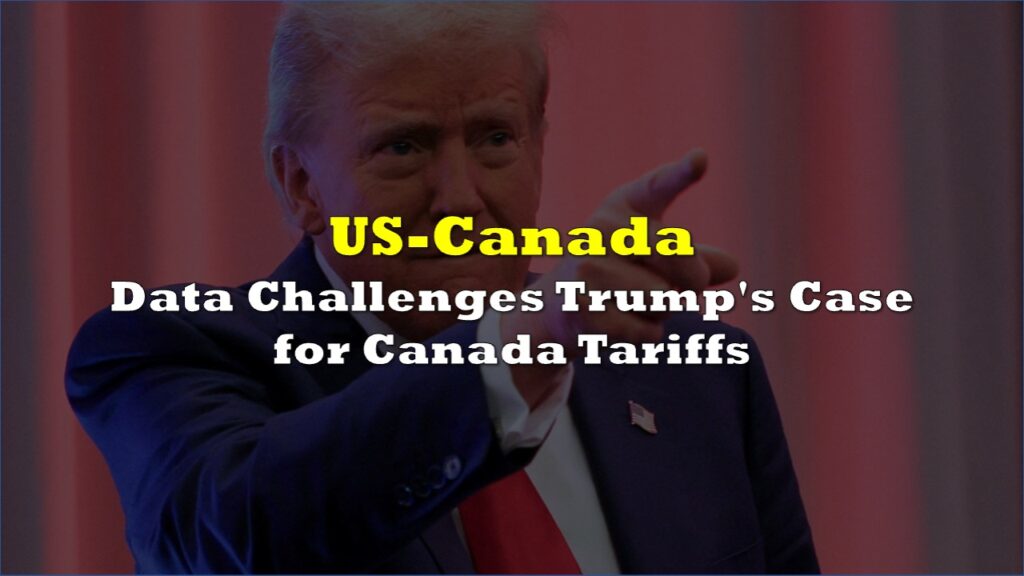
The potential export tax announcement comes as the Canadian dollar plummets to a two-year low, trading at 1.4210 per U.S. dollar, its weakest point since April 2020. Economists link this decline to renewed uncertainty following U.S. President-elect Donald Trump’s election to a second term and his administration’s stated intent to impose tariffs on Canadian goods, including aluminum, lumber, and possibly energy.
The U.S. is Canada’s largest trading partner, accounting for nearly 75% of all Canadian exports. Any disruption in this relationship could ripple through Canada’s economy, particularly in sectors like oil and uranium, which are highly dependent on U.S. markets.
 Sponsored · Cambria Gold Mines
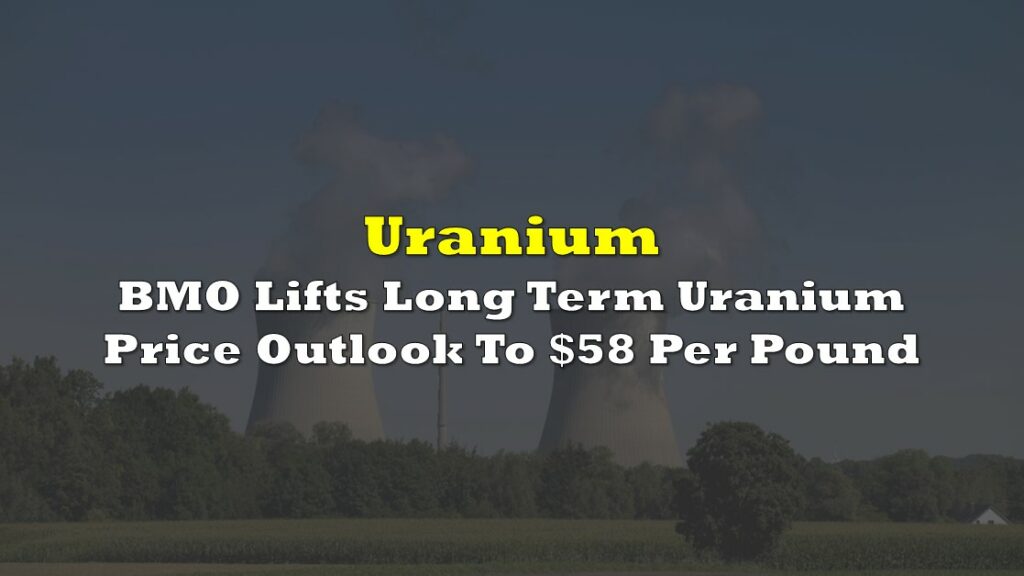
Canada is one of the world’s largest producers of uranium, a critical component for nuclear power generation. Much of its uranium is exported to the United States to fuel nuclear reactors, providing a low-carbon energy source to millions of Americans. By considering an export tax, Canada is leveraging a resource that is integral to U.S. energy security.
Trade analysts warn that restricting uranium exports could have serious implications for U.S. energy markets. With nuclear energy providing about 20% of America’s electricity, any disruption in uranium supplies could exacerbate energy shortages and raise costs for consumers.
The brewing dispute mirrors past U.S. trade actions under Trump. In 2018, his administration imposed a 25% tariff on steel imports, which caused Canadian steel exports to plummet by 26% within a year. Although the trade relationship stabilized with the United States-Mexico-Canada Agreement (USMCA) in 2021, Trump’s return to office has reignited fears of protectionist policies.
This follows after Ontario Premier Doug Ford threatened to cut off energy supplies to key U.S. states, including Michigan, New York, and Wisconsin, if tariffs are enacted.
 Sponsored · Selkirk Copper Mines
“We will go the full extent,” Ford declared during an interview. “At the top of that list for Ontario is possibly cutting off energy supply to key U.S. states.”
Ontario is a major supplier of electricity to the northeastern United States, and Canada overall is the largest exporter of crude oil to the U.S., with monthly exports reaching nearly 4 million barrels per day. Energy experts warn that such measures could lead to widespread power outages and fuel shortages, significantly impacting American consumers.
Ford’s remarks underscore the severity of Canada’s response. “What do we achieve? We turn off lights to about a million and a half Americans, which I would never want to do, but if they come at us, we have to stand up for Canadians,” he said.
Uranium has strategic significance beyond its economic value. As a key input for nuclear energy, it plays a role in ensuring energy security and reducing carbon emissions. The United States imports nearly 90% of the uranium it uses, with Canada being a top supplier. Any restriction on Canadian uranium exports could force the U.S. to seek alternative sources, potentially from countries with less stable supply chains.
The trade tensions highlight the fragility of U.S.-Canada relations, even after decades of economic cooperation under agreements like NAFTA and USMCA. Prime Minister Justin Trudeau has called for unity among Canada’s provinces as they prepare a coordinated response to U.S. tariffs.
“We are putting together a comprehensive list of countermeasures,” Deputy Prime Minister Chrystia Freeland said in a recent statement, signaling a willingness to push back against U.S. protectionism.
Trump’s administration is expected to finalize its tariff measures in the coming weeks, and Canada’s potential uranium export tax remains a key bargaining chip.
Information for this story was found via the sources and companies mentioned. The author has no securities or affiliations related to the organizations discussed. Not a recommendation to buy or sell. Always do additional research and consult a professional before purchasing a security. The author holds no licenses.