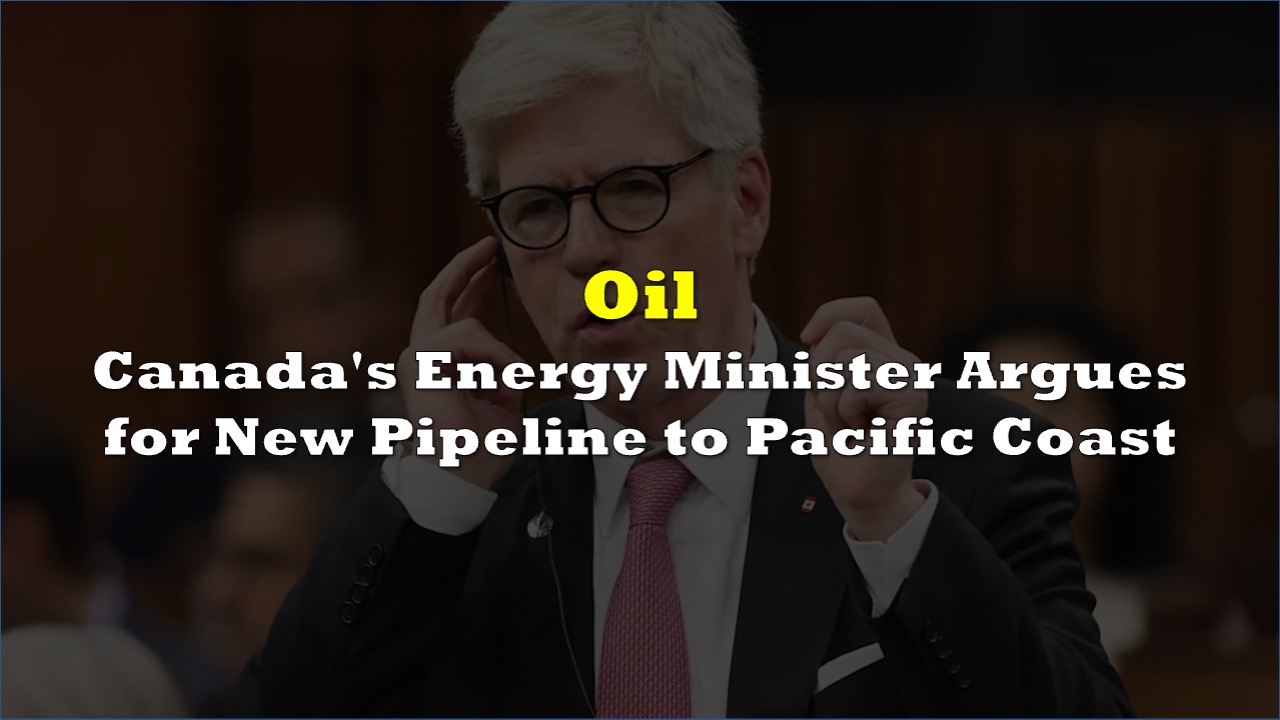

Canada’s Energy and Natural Resources Minister Tim Hodgson argues demand from Asian customers supports building another oil pipeline from Alberta to British Columbia’s northern coast, despite strong opposition from First Nations leaders who call the proposal a betrayal of Indigenous rights.
Hodgson told reporters this week that Indian refiners currently purchase small quantities of Canadian crude through the Trans Mountain pipeline but buy larger volumes from the Gulf Coast. “It would clearly be cheaper for them to buy more off of our west coast,” he said. “The Indian refiners that I spoke to really like our product, and they would like to buy more.”
The minister visited China and India to assess market demand for Canadian energy products. When asked whether eager customers support the case for an additional pipeline, Hodgson said he believes demand exists for additional natural gas, liquefied petroleum gas, and conventional oil, provided construction proceeds in an environmentally responsible way with First Nations support.
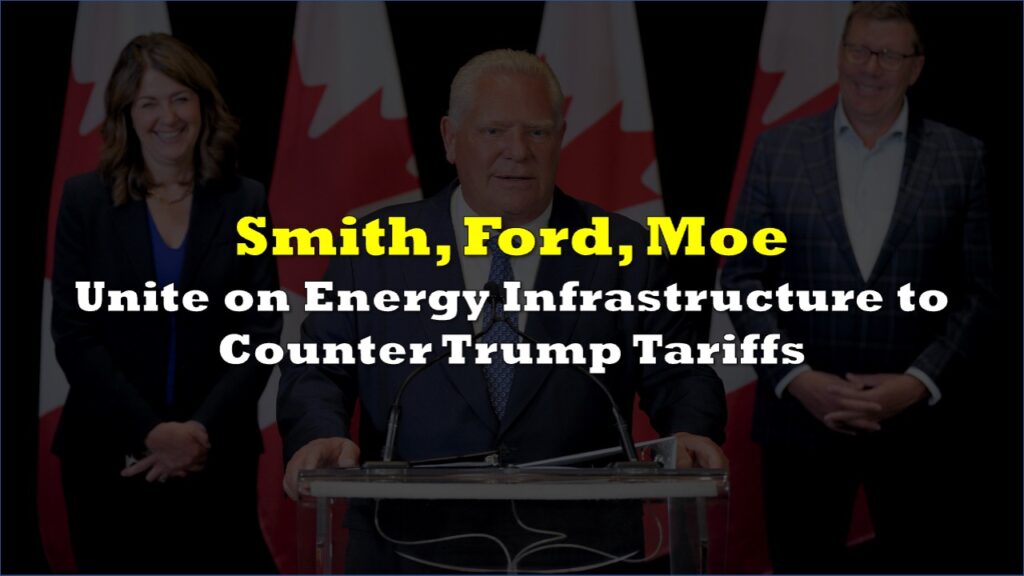
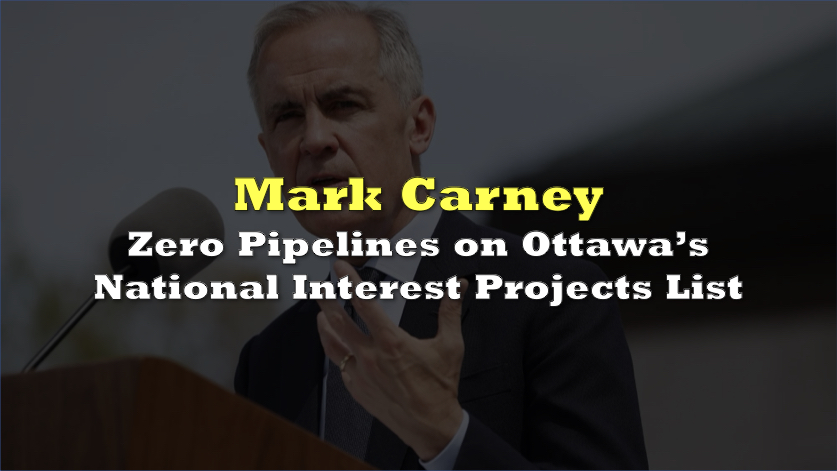
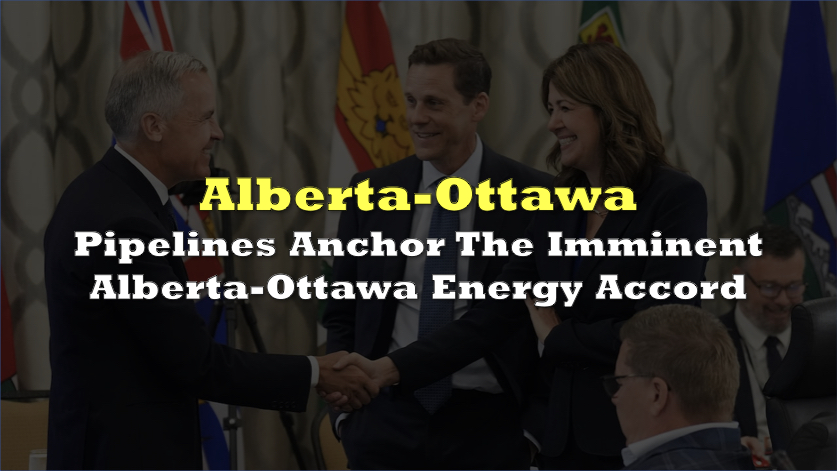
Prime Minister Mark Carney and Alberta Premier Danielle Smith signed a memorandum of understanding in November 2025, offering political support to a new oil pipeline to the BC coast. Alberta currently acts as the proponent to fund initial planning stages for a proposed bitumen pipeline to BC’s northwest coast.
Related: Ottawa-Alberta MOU shelves emissions cap, ties carbon capture to pipeline
The proposal faces significant obstacles. British Columbia Regional Chief Terry Teegee of the Assembly of First Nations gave Hodgson’s engagement with Coastal First Nations an “F” grade. “This MOU is a slap in the face of British Columbia,” Teegee said in December 2025.
The Assembly of First Nations passed a unanimous resolution calling on the federal government to withdraw from the memorandum of understanding with Alberta. First Nations leaders canceled Hodgson’s scheduled speech at the AFN special chiefs assembly in Ottawa, citing concerns about consultation processes.
The project also requires addressing BC’s tanker ban in northern waters. Hodgson told a parliamentary committee the government remains clear with proponents: “If they have support of First Nations and jurisdictions, we will work with them to clear whatever barriers there are.”
British Columbia Premier David Eby opposes removing the tanker ban and argues the Trans Mountain Expansion Project already provides pipeline capacity to the coast.
The federal government purchased the Trans Mountain pipeline in 2018 to ensure a major expansion proceeded. The project cost approximately $34 billion and opened in 2024, roughly tripling the pipeline’s capacity to transport crude oil from Alberta to a port near Vancouver.
Information for this story was found via the sources and companies mentioned. The author has no securities or affiliations related to the organizations discussed. Not a recommendation to buy or sell. Always do additional research and consult a professional before purchasing a security. The author holds no licenses.