
A hantavirus outbreak aboard a Dutch cruise ship has killed three people and infected eight, prompting an international contact tracing effort — and questions about whether the US, no longer a WHO member, is getting the information it needs to protect Americans who were on board.
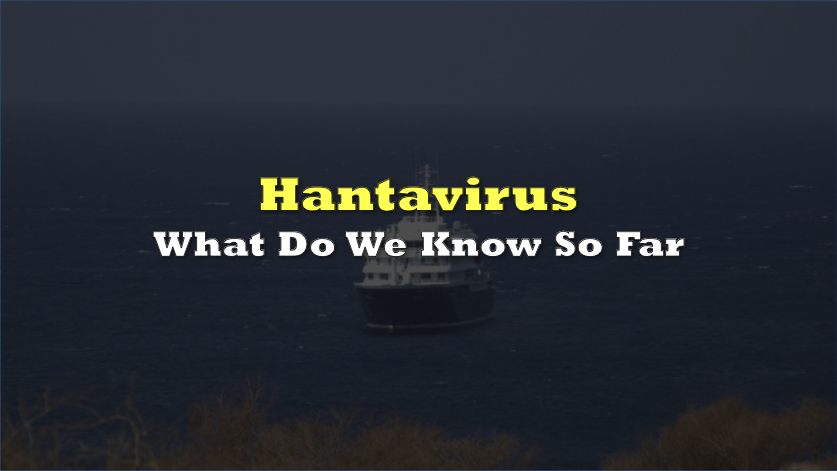
The MV Hondius, operated by Oceanwide Expeditions, departed Ushuaia, Argentina on April 1 with 147 people from 23 countries, including 17 Americans, bound for Antarctica and several remote South Atlantic islands. Passengers began falling ill in mid-April.
The first — a 70-year-old Dutch man — developed fever, headache, and abdominal pain on April 6 and died on board on April 11. His wife disembarked at Saint Helena on April 24, deteriorated during a flight to Johannesburg, and died on arrival. A third passenger died on board.
 Sponsored · Selkirk Copper Mines
South African laboratory testing confirmed hantavirus on May 2. On May 6, the WHO confirmed the strain as the Andes virus — the only known hantavirus that spreads between humans. As of May 8, the WHO reported eight cases, six confirmed and two suspected, and three deaths. The ship reached the Canary Islands on May 10, where passengers are being evacuated to their home countries.
Read: WHO Expects Hantavirus Cases To Rise in Coming Weeks After Deadly Cruise Ship Outbreak
This is precisely the kind of event the WHO’s surveillance architecture is built to manage: a multinational vessel, passengers scattered across dozens of countries, a pathogen with a one-to-eight-week incubation period. The US left the WHO in January 2026 after 78 years of membership, and health experts say the withdrawal is already showing consequences.
As a member, the US routinely had CDC experts embedded in outbreak response teams and received advance intelligence before public disclosure.
“By the time the information is made public — and sometimes even through International Health Regulation networks — the experts at the WHO and the CDC had often already known for days or weeks,” said Stephanie Psaki, global health security coordinator under Biden and now a senior researcher at Brown University School of Public Health. CDC experts would normally have been part of the teams sequencing the virus; now the US may receive results second-hand.
 Sponsored · Silver47 Exploration Inc.
Stanford infectious disease specialist Abraar Karan told NPR that US doctors are receiving minimal information, framing it as a broader pattern. “I don’t even think about what is the CDC saying, or what is the federal government saying. That hadn’t even crossed my mind, funny enough.”
WHO technical lead Anaïs Legand said information-sharing with the US continues under international health regulations: “We maintain a very positive and regular interaction almost daily.” White House spokesman Kush Desai said the administration “continues to work with the CDC and State Department to monitor and respond to the recent Andes virus outbreak” and that the CDC has convened leading experts.
The Department of Health and Human Services directed NBC News to a CDC statement saying the government is “working closely with our international partners to provide technical assistance and guidance.”
From 1993 to 2023, 890 total hantavirus cases were reported in the US — roughly 30 per year — mostly in western states through rodent exposure. The Andes strain differs in one critical way — it can spread person to person, though only through close and prolonged contact.
WHO has assessed the risk to the general public as low, but the eight-week incubation window means additional cases could still emerge among passengers now home.
Information for this story was found via the sources and companies mentioned. The author has no securities or affiliations related to the organizations discussed. Not a recommendation to buy or sell. Always do additional research and consult a professional before purchasing a security. The author holds no licenses.