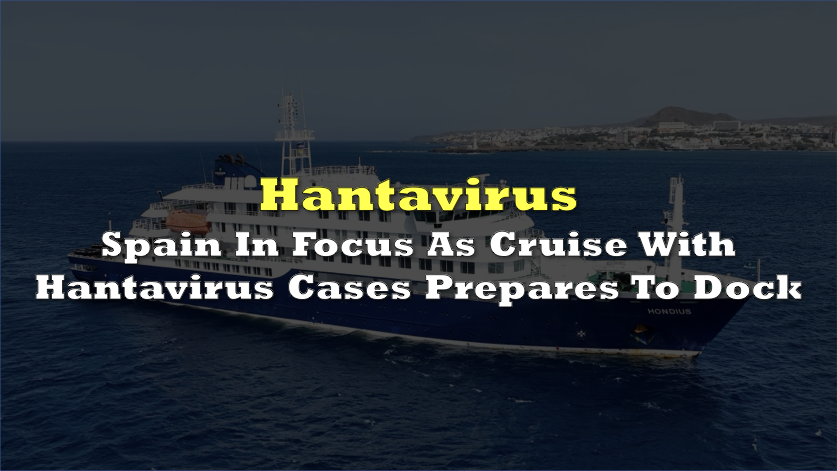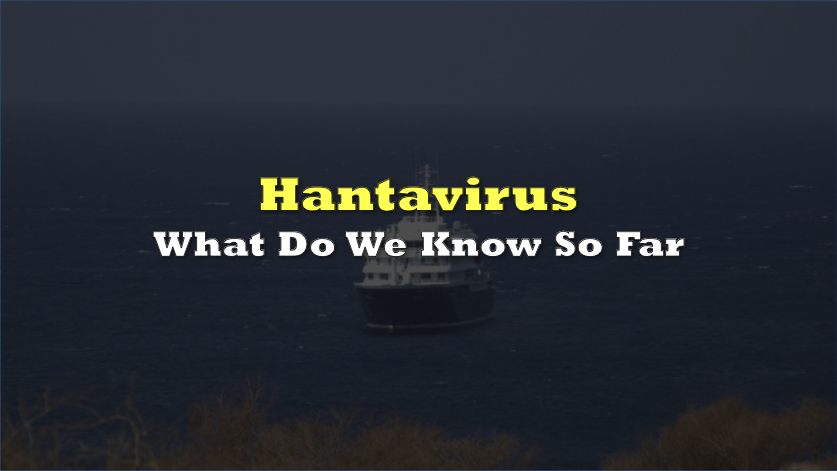

A deadly hantavirus cluster linked to the Dutch-flagged MV Hondius has become an international public-health investigation, with three deaths, multiple suspected or confirmed infections, and health agencies emphasizing that the wider public risk remains low.
The World Health Organization said the cluster was reported on May 2, 2026, after passengers developed severe respiratory illness aboard a cruise ship carrying 147 people, including 88 passengers and 59 crew members.
As of May 4, WHO had identified seven cases, including two laboratory-confirmed hantavirus infections, five suspected cases, three deaths, one critically ill patient, and three people with mild symptoms.
 Sponsored · Cambria Gold Mines
By May 6, Reuters reported eight confirmed or suspected cases, with three confirmed by laboratory testing, after three people were evacuated from Cape Verde toward Europe. Two evacuees were seriously ill, while another was closely linked to the German passenger who died on May 2.
What happened
Illness onset among identified cases ranged from April 6 to April 28, with symptoms including fever, gastrointestinal issues, rapid progression to pneumonia, acute respiratory distress syndrome, and shock. The ship departed Ushuaia, Argentina, on April 1 and traveled through remote South Atlantic destinations including mainland Antarctica, South Georgia, Nightingale Island, Tristan da Cunha, Saint Helena, and Ascension Island.
Argentina’s health ministry is investigating possible exposure in Ushuaia, including rodent trapping and analysis, while countries including Spain, South Africa, the Netherlands, the UK, and Switzerland are involved in testing, treatment, repatriation, or contact tracing.
As per reports, no associated cases had been found in Argentina as of May 6.
 Sponsored · McLaren Resources Inc.
The strain identified in the outbreak is Andes hantavirus, confirmed by South Africa’s National Institute for Communicable Diseases and Geneva University Hospitals, according to the UK Health Security Agency. It is the currently known hantavirus strain with documented limited human-to-human transmission among close contacts.
What hantavirus is
Hantaviruses are rodent-borne viruses that usually infect humans through contact with infected rodents, their urine, droppings, or saliva. Infection often occurs when contaminated particles are inhaled, especially in rodent-infested buildings, rural settings, farms, forests, fields, sheds, barns, or holiday homes.
Most hantaviruses do not spread between people. Andes virus is the major exception, but even there, person-to-person transmission is rare and generally linked to close and prolonged contact, not casual community exposure. ECDC said the risk to the EU and EEA general population from this cruise-ship outbreak is very low.
Symptoms usually appear two to four weeks after exposure, though ranges vary. WHO cites one to eight weeks, ECDC cites seven days to six weeks, and UKHSA notes reports up to 40 days. Early signs can include fever, fatigue, muscle aches, headache, dizziness, chills, nausea, vomiting, diarrhea, abdominal pain, and shortness of breath, before severe cases progress into respiratory distress or shock.
WHO said hantavirus infections are uncommon globally, but severe. In the Americas, 229 cases and 59 deaths were reported across eight countries in 2025 as of epidemiological week 47. Estimates fatality can reach up to 50% in the Americas, compared with under 1% to 15% in Asia and Europe.
CDC surveillance of the virus began in 1993, with 890 laboratory-confirmed hantavirus disease cases reported through the end of 2023. Of those, 859 were hantavirus pulmonary syndrome and 31 were non-pulmonary infections. Data shows 35% of reported US hantavirus infections resulted in death, and 94% occurred west of the Mississippi River.
There is no specific antiviral cure and no widely available vaccine for hantavirus infections, making supportive care the core response. Health agencies stress early recognition, isolation, respiratory support, ICU-capable care for severe cases, contact monitoring, and rodent-exposure reduction.
Information for this story was found via the sources and companies mentioned. The author has no securities or affiliations related to the organizations discussed. Not a recommendation to buy or sell. Always do additional research and consult a professional before purchasing a security. The author holds no licenses.