

Kirkland Lake Discoveries Cuts 73.86 g/t Gold at Mirado West as 25,000 Metre Program Gets Underway
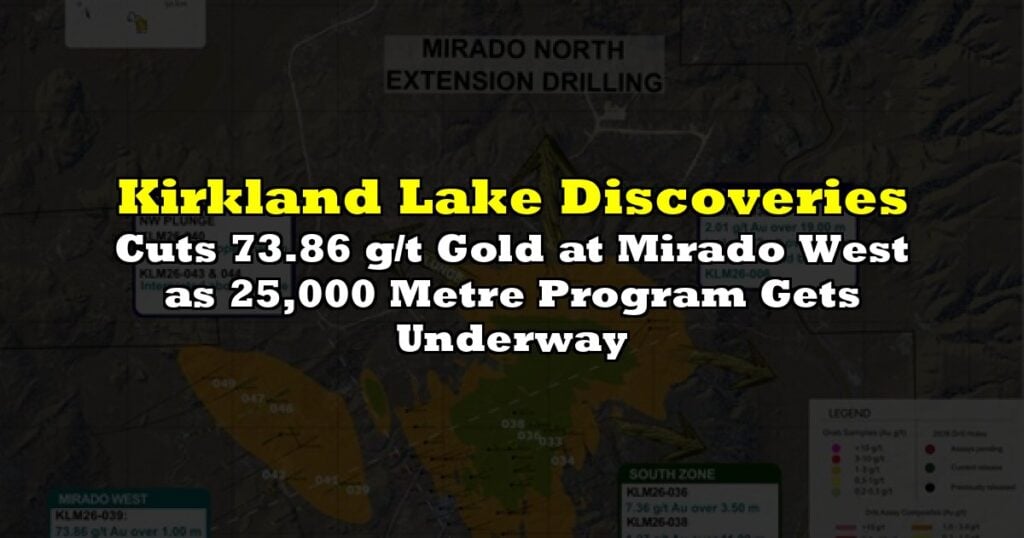
Kirkland Lake Discoveries (TSXV: KLDC) has released a new set of assays from the Mirado deposit at its KL South project, led by two high grade intercepts at Mirado West and further mineralization in the North and South zones. Hole KLM26-039 returned 73.86 g/t gold over 1.00 metres, while KLM26-041, drilled from the same collar […]
Canada Backs Oil Sands Carbon Capture While Its Climate Label Remains Unsettled

Canada is advancing a major oil sands carbon-capture project with tax incentives, planned operating support, and regulatory commitments. But the independent council writing Canada’s sustainable-investment rulebook still has not decided whether emissions-reduction work at existing oil and gas operations belongs in its framework. The Taxonomy and Transition Planning Council released its final methodology on Tuesday, […]
White Gold Expands Golden Saddle High Grade Core With 5.13 g/t Gold Over 7.88 Metres Hit

White Gold (TSXV: WGO) has released the first assays from its 2026 drill program at the White Gold Project, expanding the high grade core of the Golden Saddle deposit by roughly 50 metres and extending mineralization at the VG deposit well beyond its current resource limits. Highlights from the first batch of assays include: At […]
Silvercorp Hits 35% of Silver Guidance at Midyear After Ying Disruption and GC Suspension
Silvercorp Metals (TSX: SVM) produced 0.9 million ounces of silver in its fiscal second quarter, down 41% from a year earlier, as safety upgrades at the Ying Mining District cut deep into mill throughput. Ying processed 213,320 tonnes of ore in the three months ended September 30, a 20% decline year over year. Output also […]
 Sponsored · Selkirk Copper Mines
BC Imposes 20-Year Stock Ban On US-Convicted Promoter Despite Missing Investor-Loss Evidence
British Columbia’s securities regulator has imposed a 20-year market ban on Avtar Singh Dhillon, a Canadian stock promoter convicted of securities offences in the US, despite enforcement staff providing no specific evidence of investor losses in the provincial proceeding. The decision stopped short of the permanent prohibition sought by the British Columbia Securities Commission’s enforcement […]
Volkswagen Reportedly Plans Pay Freeze for 660,000 Workers Through 2030

The company has not confirmed the plan, but its global works council and the union IG Metall back the report.
Security Officials Are Quietly Advising 10 States on Possible Trump Midterm Election Interference
The possibility of the Trump administration intervening in its own country’s midterm elections has prompted a private advisory effort involving approximately 10 current and former US national-security officials, who are helping state governments prepare for potential federal actions that could disrupt voting or challenge election results. The group has consulted governors, election administrators, and congressional lawmakers connected to 10 states over several months, according to a The Washington Post investigation. The advisers include people with Defense Department backgrounds, some of whom previously worked on countering authoritarian threats overseas. Several remain federal employees, although the consultations are being conducted privately rather than as official government assignments. Their concerns center on how President Donald Trump could use federal authority to influence the November 3 elections, including possible military deployments, immigration enforcement near polling locations, or attempts to invalidate unfavorable results through allegations of voter fraud. Those scenarios remain hypothetical. Two participants interviewed by the Post said their warnings were based on public statements and their own assessments, rather than classified intelligence identifying an administration plan. The consultations expose a potential conflict between state election authority and federal executive power. While states administer congressional elections under federal constitutional and statutory rules, the advisers are examining ways the Trump administration could use federal agencies or legal proceedings to disrupt that process. Their work with state governments has focused on strengthening election procedures. With congressional lawmakers, particularly Republicans, discussions have emphasized recognizing potential interference and preparing to oppose it publicly if necessary. The concerns follow documented federal actions involving election administration. In January, FBI agents seized election records from Fulton County, Georgia, as part of an investigation connected to Trump’s disputed allegations about the 2020 election. More recently, the Justice Department threatened California election officials with possible prosecution over ballots allegedly issued to noncitizens. California authorities have challenged the administration’s claims. White House spokesperson Lauren Bis dismissed the advisers’ concerns, maintaining that the administration is working to strengthen election security, prevent fraud, and prosecute election crimes. Gen. Dan Caine, chairman of the Joint Chiefs of Staff, said in August that the military had no plans to deploy troops to polling sites or seize voting records. Homeland Security officials have similarly denied plans to target polling locations with immigration operations. A Washington Post–ABC News–Ipsos survey published Tuesday found that approximately 70% of Americans lacked confidence that Trump would accept Republican losses, including 36% of Republicans.
Alberta Separatists Target Smith’s UCP Leadership After Referendum Loss

Separatist activist Jeffrey Rath is pressing for a special UCP meeting on the premier’s leadership, as roughly 76% of Albertans vote to stay.
Sponsored · Selkirk Copper Mines
Red Deer-South MLA Jason Stephan Says He Will Not Seek Re-Election
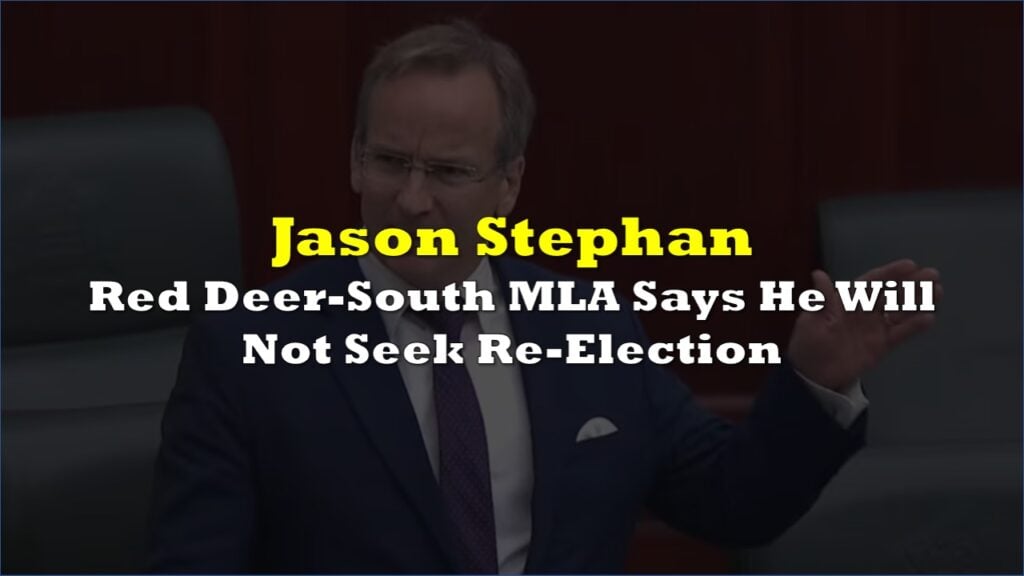
Stephan, who backed a separation vote, said on referendum day that he will not run again in 2027.
Norwegian Company Pitches US$620 Million Canada-Europe Cable to Bypass the US

Bulk Infrastructure wants a Canadian partner to own most of a US$620 million undersea cable that would carry data between Europe and Canada without crossing US networks.