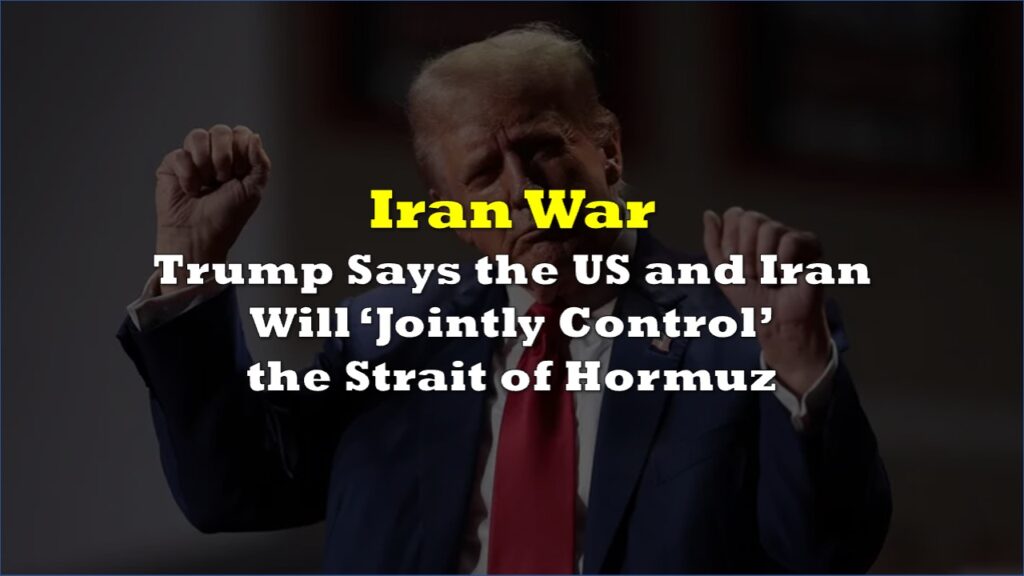

Iran has established a controversial ‘safe’ shipping corridor through its territorial waters in the Strait of Hormuz, charging at least one tanker operator a reported $2 million for passage while vetting others on a case-by-case basis. This emerging system, run by the Islamic Revolutionary Guard Corps, has already facilitated the transit of at least nine vessels under tight scrutiny.
Governments including India, Pakistan, Iraq, Malaysia, and China are engaged in direct talks with Tehran to coordinate vessel movements through this corridor, which routes ships near Iran’s Larak Island for visual inspections by IRGC Navy and port authorities.
A more structured approval process is expected imminently, demanding detailed disclosures on vessel ownership and cargo destinations, often relayed through Iran-linked intermediaries abroad.
Iran is charging vessels up to $2M for safe passage through the Strait of Hormuz, creating an unofficial toll system for approved ships in its territorial waters.
— The Dive Feed (@TheDeepDiveFeed) March 19, 2026
Security analysts caution that Iranian clearance offers no ironclad protection. Even with approval, IRGC factions retain the power to delay or seize ships, casting doubt on the corridor’s reliability for operators navigating one of the world’s most critical chokepoints for oil and gas transport.
The payment mechanism remains murky amid stringent sanctions on Iran, with no clarity on how the reported $2 million transaction was executed. So far, only one tanker is confirmed to have paid the fee, though the status of payments for the other eight vessels is unverified.
Iran’s Foreign Minister Abbas Araghchi signaled openness to such arrangements on March 15, 2026, framing the corridor as a pathway for nations unaffiliated with the US or Israel to secure safe transit. This policy shift comes as geopolitical tensions continue to roil the region, amplifying risks for global shipping.
Information for this story was found via the sources and companies mentioned. The author has no securities or affiliations related to the organizations discussed. Not a recommendation to buy or sell. Always do additional research and consult a professional before purchasing a security. The author holds no licenses.