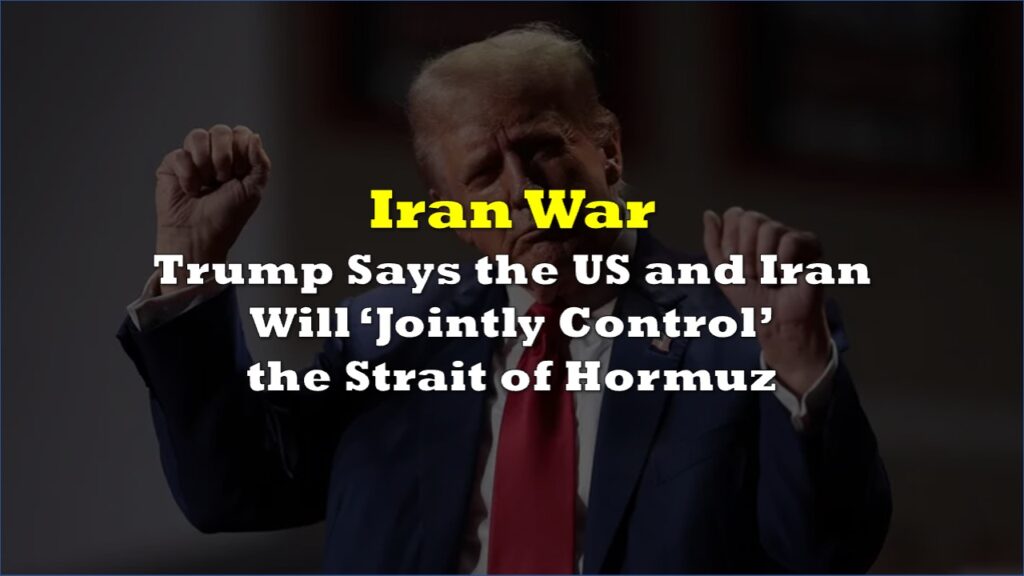

The Strait of Hormuz crisis has reignited calls across Europe to accelerate the shift away from fossil fuel imports, even as the continent enters the disruption with dangerously low gas storage and energy prices already surging past crisis-era levels.
European gas prices climbed from roughly €32 per MWh in February to €50 per MWh on March 11, a 56% jump in under two weeks, according to analysis by Italian climate think tank ECCO.
The continent also entered the crisis with far thinner gas reserves than in recent years. Storage stood at 46 billion cubic metres at the end of February 2026, roughly a quarter below year-prior levels and about 40% below what it was at the same point in 2024, leaving little room to absorb a prolonged supply shock.
The crisis triggered an immediate and unusually unified response from clean energy advocates. WindEurope said Europe had woken up “yet again” to its dependence on unreliable fossil fuel imports, calling the disruption “not a one-off” but “the new normal,” and urged governments to “focus ruthlessly on switching from fossil fuels to home-grown clean electricity.”
RWE CEO Markus Krebber put it more bluntly on LinkedIn: “The imperative of our time: The more we electrify, the less we import fossil fuels. The less we import, the more resilient we become.”
UN Secretary-General António Guterres added that renewable energy offers countries an exit ramp unavailable during past oil shocks, one that cannot be “blockaded or weaponised.”
“Sunlight travels 93 million miles to reach the Earth. None of them through the Strait of Hormuz,” climate analyst Bill McKibben wrote.
Europe’s record on the energy transition makes that argument credible and its current vulnerability makes it urgent. Between 2021 and 2024, the region added 190 gigawatts of renewable capacity, a 37% increase that cut gas imports by the equivalent of Italy’s entire annual consumption.
By 2025, solar and wind generated more of Europe’s electricity than fossil fuels for the first time, with renewables accounting for nearly 48% of the total.
Yet despite that progress, the ECCO analysis found Europe enters this crisis in a “position of greater weakness” than it faced in 2022, partly because the Trump administration pressure has eroded Green Deal momentum, and partly because the continent spent the post-Ukraine years scrambling for alternative gas supplies rather than accelerating the clean energy buildout those years demanded.
The CSIS notes that the crisis could push import-reliant economies worldwide toward domestic clean energy investment, with the lasting scale of any such shift likely tied to how long and how severe the disruption turns out to be.
Information for this story was found via the sources and companies mentioned. The author has no securities or affiliations related to the organizations discussed. Not a recommendation to buy or sell. Always do additional research and consult a professional before purchasing a security. The author holds no licenses.