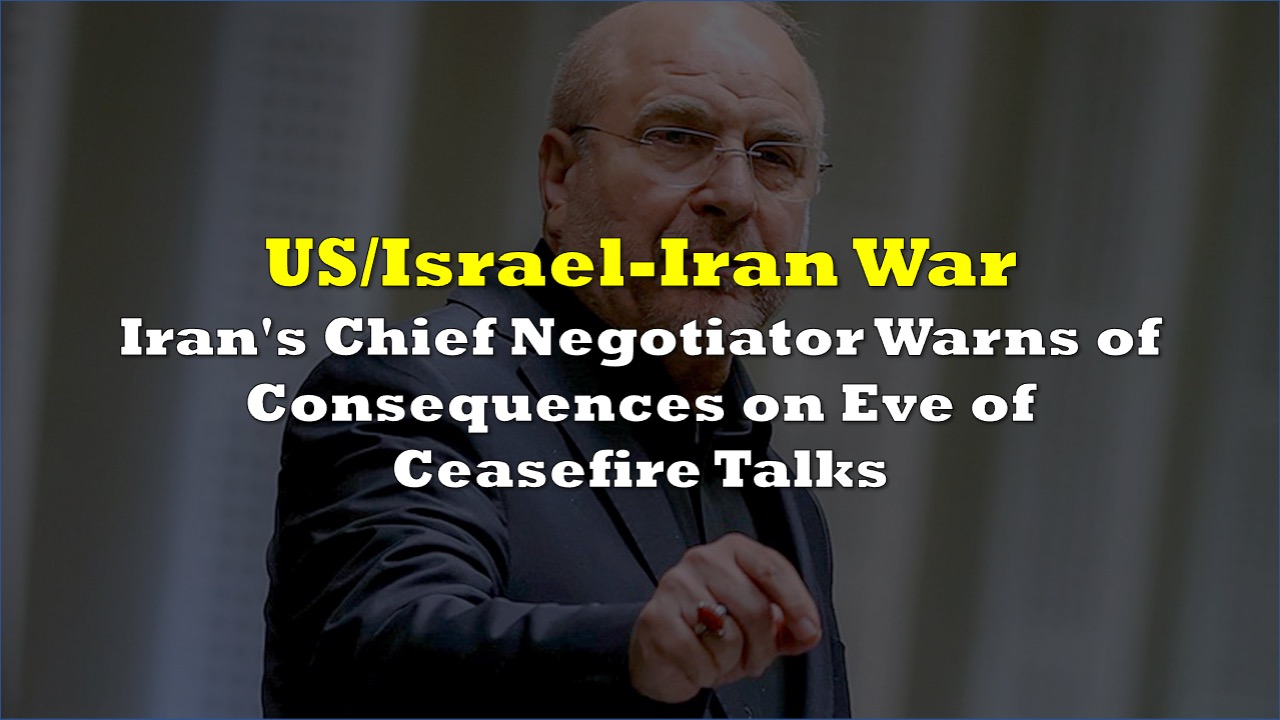

Mohammad Bagher Ghalibaf, Iran’s parliament speaker and chief ceasefire negotiator, issued a public warning on June 1 directed at Washington. “The naval blockade and escalation of war crimes in Lebanon by the genocidal Zionist regime are clear evidence of US noncompliance with the ceasefire,” Ghalibaf wrote on X. “Every choice has a price, and the bill comes due.”
Three days earlier, the Trump administration announced it was lifting the naval blockade of Iranian ports following a proposed agreement — but Tehran has yet to formally accept it, leaving the blockade’s effective status unresolved.
The US and Israel maintain that the April 8 ceasefire covers only direct US-Iran hostilities. However, Iran and Pakistan, which brokered the truce, insist Lebanon was always included. The Washington Post reported May 31 that Israeli forces now sit deeper inside Lebanese territory than at any point since 2000, despite the US-brokered Israel-Lebanon ceasefire currently in its 45-day extension.
 Sponsored · Selkirk Copper Mines
On May 25, US Central Command struck two IRGC boats laying mines in the strait and a SAM site in Bandar Abbas, claiming the action as self-defense while Iran’s Foreign Ministry called it “deceit and treachery.”
Ghalibaf led Iran’s 70-member team at the Islamabad Talks in April against a US delegation headed by Vice President JD Vance. Those talks failed after 21 hours, triggering the US naval blockade on April 13.
The ceasefire has since held through a series of extensions and back-channel proposals, with core gaps unchanged: Washington presses for dismantlement of Iran’s nuclear programme, limits on ballistic missiles, and an end to support for Hezbollah and Hamas; Tehran refuses to put its military or regional alliances on the table and demands the blockade end first.
President Masoud Pezeshkian has reportedly submitted his resignation to Supreme Leader Ali Khamenei, citing IRGC overreach — a signal, if confirmed, of a deepening split between Iran’s civilian government and its military command that Washington has previously identified as the central obstacle to any deal.
Information for this story was found via the sources and companies mentioned. The author has no securities or affiliations related to the organizations discussed. Not a recommendation to buy or sell. Always do additional research and consult a professional before purchasing a security. The author holds no licenses.