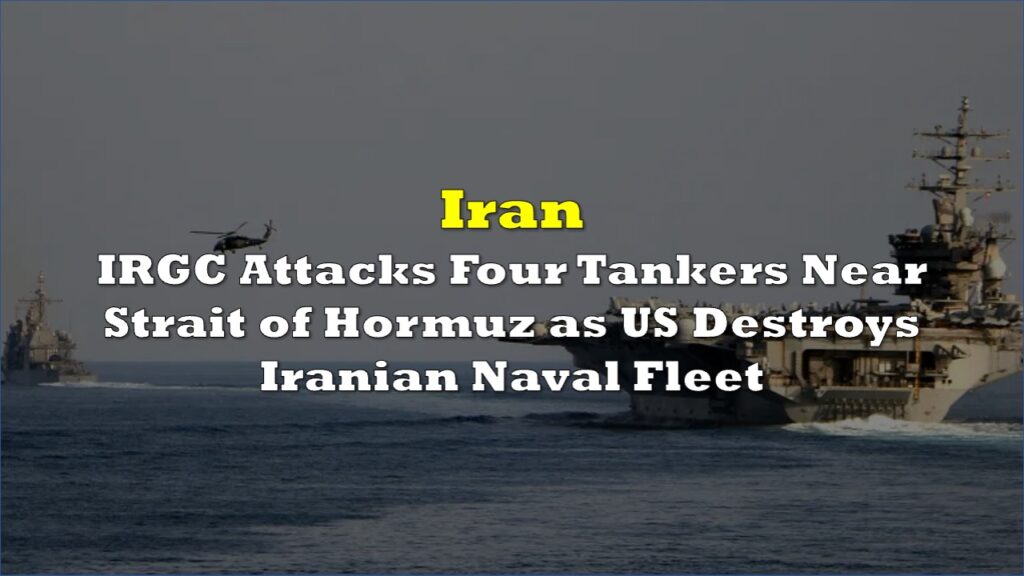

Shipping through the Strait of Hormuz, a critical artery for global oil trade, has come to a near standstill as over a dozen vessels reversed course and returned to the Persian Gulf on a single evening. The dramatic turnaround, captured in real-time vessel tracking data, signals escalating geopolitical friction in the region, with Iran’s latest demands adding fuel to the crisis.
Iran has conditioned a potential ceasefire agreement on the imposition of toll payments, a stance that has rattled mediators and heightened uncertainty for maritime traffic. The strategic waterway, which facilitates roughly 20% of the world’s oil supply, has become a flashpoint as ships face the risk of delays or outright blockages. Energy markets are on edge, with the potential for supply disruptions looming large.
Vessel tracking data reveals the scale of the disruption, with more than 12 ships abandoning their transit plans in a matter of hours. The sudden U-turns underscore the immediate impact of Iran’s hardline position on global trade flows. Many of these vessels, likely carrying crude oil or refined products, are now idling in the Persian Gulf, awaiting clarity on safe passage.
The economic stakes are immense. A prolonged halt or restriction in Hormuz traffic could drive oil prices higher, compounding inflationary pressures already felt across global markets. Analysts estimate that even a temporary closure could impact millions of barrels of daily oil exports, with ripple effects on energy-dependent economies from Asia to Europe.
 Sponsored · Selkirk Copper Mines
Iran’s insistence on tolls as a ceasefire prerequisite has introduced a new layer of complexity to an already volatile situation. Negotiations, which had shown tentative progress in recent weeks, now face a significant hurdle as mediators grapple with Tehran’s demands. The move appears to leverage Iran’s geographic control over the strait, a chokepoint that has long been a geopolitical bargaining chip.
As the standoff continues, shipping companies are weighing alternative routes, though options like the Red Sea come with their own security challenges and added costs. The detour around the Cape of Good Hope, while safer, extends transit times by weeks and racks up fuel expenses, further straining supply chains.
Energy traders are already pricing in the risk, with Brent crude futures ticking up 2.3% in overnight trading following the vessel turnarounds. If tensions persist, market volatility could intensify, with potential impacts on consumer prices at the pump by the end of the first quarter of 2026.
Information for this story was found via the sources and companies mentioned. The author has no securities or affiliations related to the organizations discussed. Not a recommendation to buy or sell. Always do additional research and consult a professional before purchasing a security. The author holds no licenses.